THE ADVENTURE COLLECTIVE® · Independent discovery and booking for outdoor travel

Walk Chefchaouen’s blue-washed alleys with a local guide who opens doors to hidden courtyards, artisan shops, and a nearby waterfall. This private 90–120 minute tour blends history, geology, and practical tips for a compact, authentic visit.
Walk Chefchaouen’s blue-washed alleys with a local guide who opens doors to hidden courtyards, artisan shops, and a nearby waterfall. This private 90–120 minute tour blends history, geology, and practical tips for a compact, authentic visit.
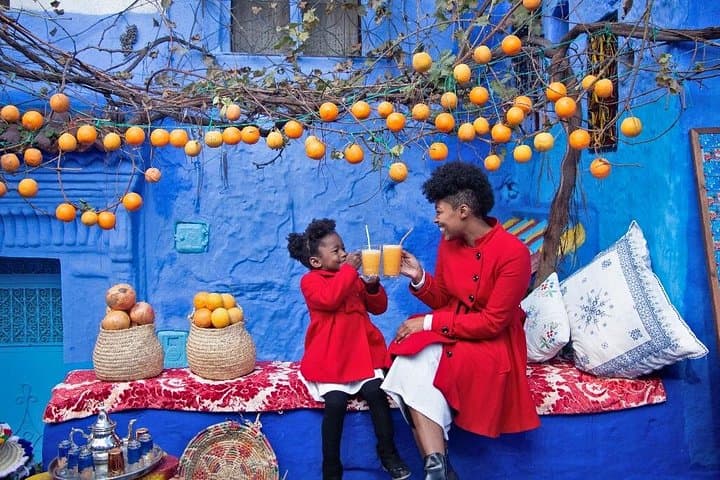
You arrive on cobbled streets painted in tones of blue; the air carries mint and frying olive oil while the Rif Mountains stand watch above the town. The guide pauses at the main square, Uta el-Hammam, and the medina unfolds—alleys that narrow and then open to sunlit courtyards, a synagogue quarter, and local storefronts where craftsmen hammer and dye.
Verified experiences and guided adventures in the surrounding area.
Operated by Chefchaouen ProTours · Chefchaouen, Tanger-Tetouan-Al Hoceima
You arrive on cobbled streets painted in tones of blue; the air carries mint and frying olive oil while the Rif Mountains stand watch above the town. The guide pauses at the main square, Uta el-Hammam, and the medina unfolds—alleys that narrow and then open to sunlit courtyards, a synagogue quarter, and local storefronts where craftsmen hammer and dye.
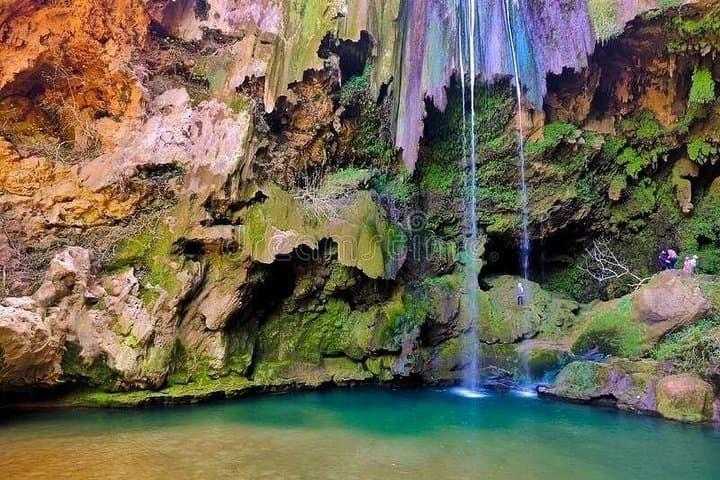
Chefchaouen's history is layered: founded in the 15th century as a mountain fortress, it later became a refuge for Andalusian and Jewish exiles, which shaped its maze of quarters and artisanal trades. The town sits on folded limestone of the Rif range; rain and springs cut steep gullies that feed the small waterfalls you’ll hear before you see them. Culture here is quietly visible—shops selling hand-loomed textiles, men brewing sweet mint tea, and areas where prayer routines follow long-standing gendered customs.
This private 90–120 minute walk takes you to the Jewish Quarter, local craft shops, a modest waterfall where residents wash clothes, and a large plaza for food at the finish. Expect gentle walking on uneven cobbles and short stair climbs; the route is accessible but not a paved promenade. Bring water, small change for purchases, and wear grippy shoes for slick stones. Timed in the morning or late afternoon, the light on blue walls is best and crowds thin.
Practical notes: respect prayer spaces and gender separations at religious sites, accept offered tea as a cultural exchange, and keep your camera polite—ask before photographing people. This tour is ideal for travelers seeking cultural immersion with easy walking and honest local insight.
easy.
1.5–2 hours.
Suitable for most fitness levels; involves short walks and stair steps but no sustained climbs.
The private walking tour lasts approximately 90–120 minutes, starting and ending at the main square (Uta el-Hammam).
The provider notes wheelchair accessible options, but some alleys and steps in the medina may be challenging—check in advance to confirm accommodations.
The tour includes Moroccan tea and a cookie; additional food purchases at the final plaza are optional and paid by participants.
Yes—this is rated physically easy, but travelers with mobility issues or spinal/heart conditions should consider the cobbled surfaces and brief stair sections.
Chefchaouen was established in the 15th century as a mountain stronghold and later became a refuge for Andalusian and Jewish populations, shaping its medina layout and crafts.
Water in local springs is a precious resource; avoid littering and conserve water when sampling public fountains, and favor local artisans to support sustainable livelihoods.
Chefchaouen ProTours operates guided outdoor trips and adventures with an emphasis on safety, stewardship, and memorable experiences.
You arrive on cobbled streets painted in tones of blue; the air carries mint and frying olive oil while the Rif Mountains stand watch above the town. The guide pauses at the main square, Uta el-Hammam, and the medina unfolds—alleys that narrow and then open to sunlit courtyards, a synagogue quarter, and local storefronts where craftsmen hammer and dye.
You arrive on cobbled streets painted in tones of blue; the air carries mint and frying olive oil while the Rif Mountains stand watch above the town. The guide pauses at the main square, Uta el-Hammam, and the medina unfolds—alleys that narrow and then open to sunlit courtyards, a synagogue quarter, and local storefronts where craftsmen hammer and dye.
Chefchaouen's history is layered: founded in the 15th century as a mountain fortress, it later became a refuge for Andalusian and Jewish exiles, which shaped its maze of quarters and artisanal trades. The town sits on folded limestone of the Rif range; rain and springs cut steep gullies that feed the small waterfalls you’ll hear before you see them. Culture here is quietly visible—shops selling hand-loomed textiles, men brewing sweet mint tea, and areas where prayer routines follow long-standing gendered customs.
This private 90–120 minute walk takes you to the Jewish Quarter, local craft shops, a modest waterfall where residents wash clothes, and a large plaza for food at the finish. Expect gentle walking on uneven cobbles and short stair climbs; the route is accessible but not a paved promenade. Bring water, small change for purchases, and wear grippy shoes for slick stones. Timed in the morning or late afternoon, the light on blue walls is best and crowds thin.
Practical notes: respect prayer spaces and gender separations at religious sites, accept offered tea as a cultural exchange, and keep your camera polite—ask before photographing people. This tour is ideal for travelers seeking cultural immersion with easy walking and honest local insight.