THE ADVENTURE COLLECTIVE® · Independent discovery and booking for outdoor travel

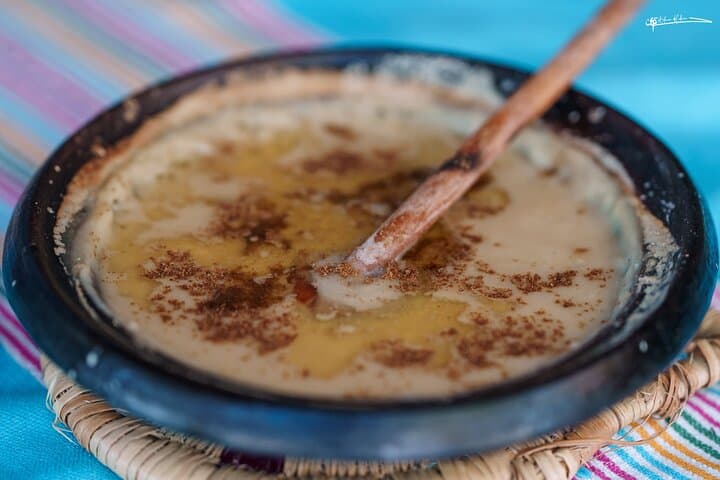
Spend a day with a local family outside Chefchaouen learning traditional Moroccan recipes, tasting mountain honey and olive oil, then stretching your legs on a 3 km valley walk. This hands-on workshop combines food, culture and a gentle Rif mountain hike.
Spend a day with a local family outside Chefchaouen learning traditional Moroccan recipes, tasting mountain honey and olive oil, then stretching your legs on a 3 km valley walk. This hands-on workshop combines food, culture and a gentle Rif mountain hike.
You arrive by narrow lane where whitewashed walls meet blue paint and the mountain air sharpens the scent of thyme. The family home sits on a sunward terrace that looks over folded ridgelines of the Rif; olive trees lean like old cooks watching the valley below. A host welcomes you with mint tea, and the day unfolds as an easy lesson in regional rhythm—grinding spices, kneading bread, and coaxing a goat tagine to bloom with preserved lemon and saffron.
Verified experiences and guided adventures in the surrounding area.
Operated by Chefchaouen Adventures · Chefchaouen, Tanger-Tetouan-Al Hoceima
You arrive by narrow lane where whitewashed walls meet blue paint and the mountain air sharpens the scent of thyme. The family home sits on a sunward terrace that looks over folded ridgelines of the Rif; olive trees lean like old cooks watching the valley below. A host welcomes you with mint tea, and the day unfolds as an easy lesson in regional rhythm—grinding spices, kneading bread, and coaxing a goat tagine to bloom with preserved lemon and saffron.
The Rif Mountains around Chefchaouen are geologically young folds of limestone and marl, cut by narrow valleys and terraced fields. Founded in the 15th century by Andalusian refugees, the town and surrounding villages blend Berber agriculture with Iberian culinary techniques—olive presses, wild thyme harvesting and home-baked khobz remain common. Local families still press oil and collect mountain honey, and you’ll see traditional bread ovens and seasonal crops on the guided village walk.
Practically, the experience is paced for comfort: a morning transfer from Chefchaouen, a hands-on workshop that becomes the midday meal, and a relaxed 3 km walk through valley trails to aid digestion and birdwatching. Expect unpaved paths, uneven village lanes and simple facilities at the homestay. Bring comfortable shoes, a sun layer, and cash for small purchases.
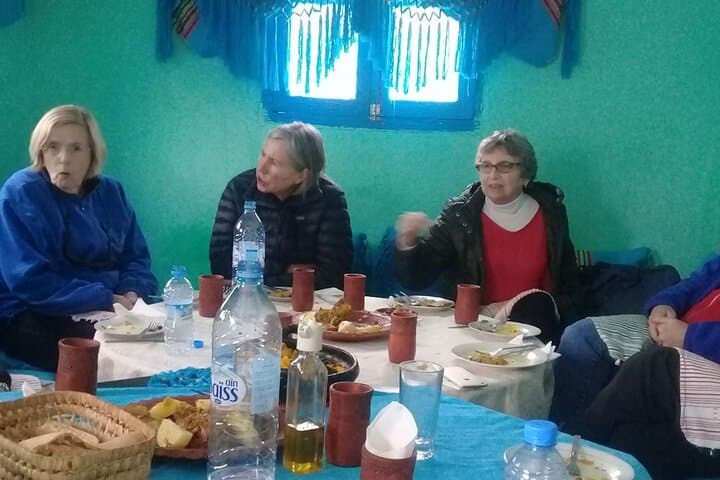
This is less a cooking class in a studio and more an immersion into rural foodways—learn techniques to replicate at home, taste products grown on nearby slopes, and leave with practical recipes and the memory of a terrace meal watched over by the Rif’s ridgelines.
easy.
6 hours.
Light fitness recommended—able to walk 3 km on uneven terrain and stand during cooking sessions.
Pickup and return transfer to your hotel by taxi are included; confirm your pickup point when booking.
Yes—vegetarian options are available and other restrictions can be managed if you notify the host before the activity.
The listing notes wheelchair accessibility to the homestay, but village lanes and the 3 km walk are uneven; contact the operator to discuss specific needs.
Hosts commonly speak Arabic and Spanish; many guides speak English—confirm language preferences at booking.
Chefchaouen was founded in 1471 by Andalusian exiles; its mountain villages retain Berber farming practices and Iberian-influenced cuisine.
Small-scale tourism supports local producers but visitors should minimize waste, buy local goods and avoid disturbing foraging wildlife.
Chefchaouen Adventures operates guided outdoor trips and adventures with an emphasis on safety, stewardship, and memorable experiences.
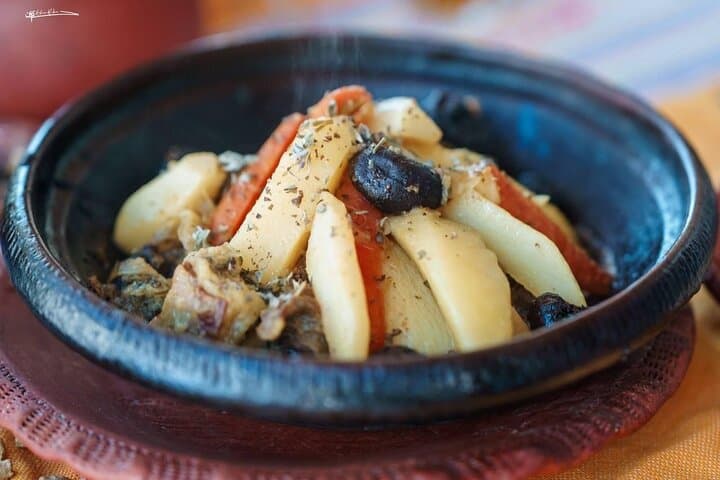
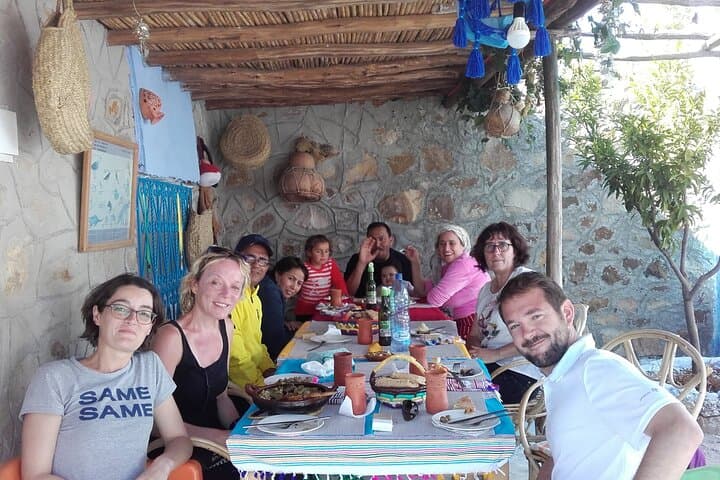
You arrive by narrow lane where whitewashed walls meet blue paint and the mountain air sharpens the scent of thyme. The family home sits on a sunward terrace that looks over folded ridgelines of the Rif; olive trees lean like old cooks watching the valley below. A host welcomes you with mint tea, and the day unfolds as an easy lesson in regional rhythm—grinding spices, kneading bread, and coaxing a goat tagine to bloom with preserved lemon and saffron.
You arrive by narrow lane where whitewashed walls meet blue paint and the mountain air sharpens the scent of thyme. The family home sits on a sunward terrace that looks over folded ridgelines of the Rif; olive trees lean like old cooks watching the valley below. A host welcomes you with mint tea, and the day unfolds as an easy lesson in regional rhythm—grinding spices, kneading bread, and coaxing a goat tagine to bloom with preserved lemon and saffron.
The Rif Mountains around Chefchaouen are geologically young folds of limestone and marl, cut by narrow valleys and terraced fields. Founded in the 15th century by Andalusian refugees, the town and surrounding villages blend Berber agriculture with Iberian culinary techniques—olive presses, wild thyme harvesting and home-baked khobz remain common. Local families still press oil and collect mountain honey, and you’ll see traditional bread ovens and seasonal crops on the guided village walk.
Practically, the experience is paced for comfort: a morning transfer from Chefchaouen, a hands-on workshop that becomes the midday meal, and a relaxed 3 km walk through valley trails to aid digestion and birdwatching. Expect unpaved paths, uneven village lanes and simple facilities at the homestay. Bring comfortable shoes, a sun layer, and cash for small purchases.
This is less a cooking class in a studio and more an immersion into rural foodways—learn techniques to replicate at home, taste products grown on nearby slopes, and leave with practical recipes and the memory of a terrace meal watched over by the Rif’s ridgelines.