THE ADVENTURE COLLECTIVE® · Independent discovery and booking for outdoor travel

Travel two hours inland from Tangier to Chefchaouen’s famous blue lanes on an intimate small-group day trip. This guided outing pairs mountain scenery, medina exploration and local insights with practical logistics for a full-day cultural adventure.
Travel two hours inland from Tangier to Chefchaouen’s famous blue lanes on an intimate small-group day trip. This guided outing pairs mountain scenery, medina exploration and local insights with practical logistics for a full-day cultural adventure.
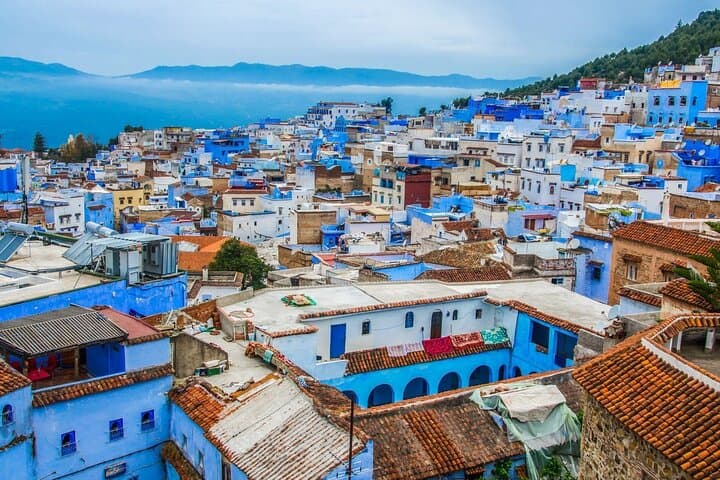
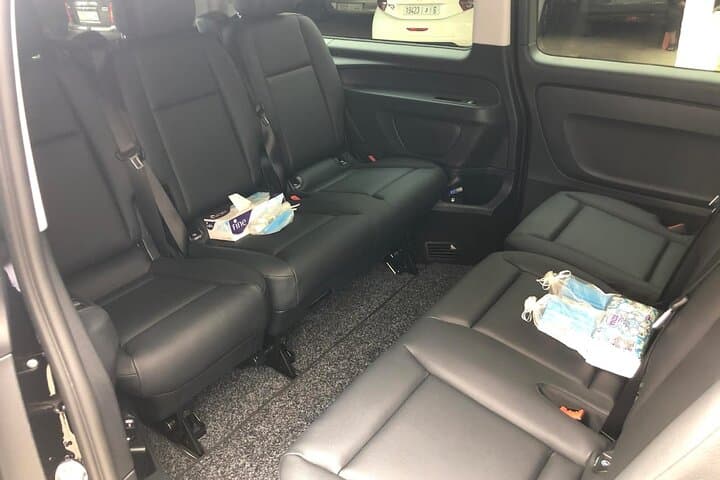
You step down from an air-conditioned van and the Rif Mountains breathe around you — a palette of ochre slopes, terraced fields and ribboned scrub that seem to push the town’s blue houses into sharper relief.
Verified experiences and guided adventures in the surrounding area.
Operated by tangier tours guide (color) · Chefchaouen, Tanger-Tetouan-Al Hoceima
You step down from an air-conditioned van and the Rif Mountains breathe around you — a palette of ochre slopes, terraced fields and ribboned scrub that seem to push the town’s blue houses into sharper relief.
Chefchaouen’s medina is immediate: narrow alleys, laundry lines, doorways painted every shade between sky and indigo. The town’s color carries stories — Jewish refugees’ blue traditions, practical claims of mosquito and heat reduction — and both the paint and the gossip are part of the visit.
Founded in the 15th century as a mountain stronghold, Chefchaouen blends Andalusian architecture, local Amazigh heritage and Spanish-era influences. Geologically, it sits at the northern edge of the Rif — folded, uplifted limestone and shale that feed the region’s springs and shape the narrow valleys you pass on the two-hour drive from Tangier.
The guided small-group format (max ~17) gives time to explore the kasbah plaza, hunt for woven blankets and artisanal leather, and pause on rooftop viewpoints where the mountains seem to hold the town in a cupped hand.
Practical notes: expect 8–9 hours total with roughly two hours each way. Comfortable walking shoes and sun protection matter more than technical gear. Bring cash for small purchases, modest clothing for respect at religious sites, and a camera with extra battery — light is best mid-morning or late afternoon. Local guides point out hidden alleys, history and the best stops for mint tea. The trip is an accessible, sensory introduction to northern Morocco: mountain air, painted lanes and a medina that invites slow, attentive exploration.
easy.
8–9 hours.
Suitable for most fitness levels; involves several hours of walking on uneven surfaces
The one-way drive is about two hours depending on traffic and stops; expect roughly four hours total travel time on the round trip.
Yes — the itinerary is rated easy and suitable for most ages, though mobility issues may make narrow, stepped streets challenging.
This particular tour includes bottled water, guide services and transport; meals, admissions and personal purchases are typically not included.
Photography is welcome in most parts of the medina; always ask permission before photographing people and avoid taking photos inside active religious sites unless explicitly allowed.
Chefchaouen was founded in the 15th century as a kasbah to resist Portuguese and Spanish incursions and later absorbed Andalusian refugees, shaping its architecture and crafts.
The town manages growing tourism impacts by encouraging responsible purchasing from local artisans and limiting waste in the medina; visitors should avoid leaving litter and respect local resources.
tangier tours guide (color) operates guided outdoor trips and adventures with an emphasis on safety, stewardship, and memorable experiences.

You step down from an air-conditioned van and the Rif Mountains breathe around you — a palette of ochre slopes, terraced fields and ribboned scrub that seem to push the town’s blue houses into sharper relief.
You step down from an air-conditioned van and the Rif Mountains breathe around you — a palette of ochre slopes, terraced fields and ribboned scrub that seem to push the town’s blue houses into sharper relief.
Chefchaouen’s medina is immediate: narrow alleys, laundry lines, doorways painted every shade between sky and indigo. The town’s color carries stories — Jewish refugees’ blue traditions, practical claims of mosquito and heat reduction — and both the paint and the gossip are part of the visit.
Founded in the 15th century as a mountain stronghold, Chefchaouen blends Andalusian architecture, local Amazigh heritage and Spanish-era influences. Geologically, it sits at the northern edge of the Rif — folded, uplifted limestone and shale that feed the region’s springs and shape the narrow valleys you pass on the two-hour drive from Tangier.
The guided small-group format (max ~17) gives time to explore the kasbah plaza, hunt for woven blankets and artisanal leather, and pause on rooftop viewpoints where the mountains seem to hold the town in a cupped hand.
Practical notes: expect 8–9 hours total with roughly two hours each way. Comfortable walking shoes and sun protection matter more than technical gear. Bring cash for small purchases, modest clothing for respect at religious sites, and a camera with extra battery — light is best mid-morning or late afternoon. Local guides point out hidden alleys, history and the best stops for mint tea. The trip is an accessible, sensory introduction to northern Morocco: mountain air, painted lanes and a medina that invites slow, attentive exploration.