THE ADVENTURE COLLECTIVE® · Independent discovery and booking for outdoor travel

Escape Tangier for a full-day drive into the Rif Mountains and the famously blue medina of Chefchaouen. This guided walk through narrow lanes and hilltop viewpoints blends history, local crafts, and memorable panoramic views.
Escape Tangier for a full-day drive into the Rif Mountains and the famously blue medina of Chefchaouen. This guided walk through narrow lanes and hilltop viewpoints blends history, local crafts, and memorable panoramic views.
You arrive to a slope of blue façades and a scent of mint tea drifting from a tucked café — Chefchaouen greets you in hues sharp enough to pause a camera. The drive from Tangier through the Rif foothills loosens city noise and prepares you for narrow lanes where sunlight fractures across painted doors and laundry lines.
Verified experiences and guided adventures in the surrounding area.
Operated by Chefchaouen Adventures · Chefchaouen, Tanger-Tetouan-Al Hoceima
You arrive to a slope of blue façades and a scent of mint tea drifting from a tucked café — Chefchaouen greets you in hues sharp enough to pause a camera. The drive from Tangier through the Rif foothills loosens city noise and prepares you for narrow lanes where sunlight fractures across painted doors and laundry lines.
The town was founded in the 15th century by Moorish and Andalusian settlers; its octagonal mosque and stone kasbah recall those roots while the blue-wash tradition—often linked to Jewish symbolism and later aesthetic choices—gives the medina its unmissable character. Geologically, the Rif Mountains are folded limestone and shale; Chefchaouen sits on terraced slopes where springs like Ras Elma have long shaped daily life and social rhythms.
A guided walking tour winds through alleys and souks, stopping at quiet fountains, a small cemetery, and viewpoints that open to cedar-dotted ridgelines. Expect local craft stalls, woven blankets, and vendors selling argan oil and spices; exchanges are friendly, and bargaining is customary but polite.
Practical guidance: wear sturdy, broken-in shoes—the cobbles are uneven and the town is hilly. Carry 1–1.5 liters of water, sun protection, and small change for purchases and tips. Plan your visit early or late in the day to avoid the hottest hours and crowds; the best photos come in morning light or during the long golden hour before sunset. If you have limited mobility, notify your operator—some streets are steep and not wheelchair-friendly. Bring respect for local customs: modest dress helps in conservative areas. With those basics covered, the day trip is an easy, richly textured entry into Morocco’s northern mountains.
easy.
8 hours.
Light walking over uneven, hilly streets; suitable for most adults with basic mobility
The transfer typically takes about 2 to 2.5 hours each way depending on traffic and stops in the Rif foothills.
Most walking and viewpoint visits have no formal entry fee; museum or kasbah admissions may be extra and are paid locally.
Yes—this excursion is rated easy, but the medina is hilly with cobbles; notify the operator if mobility concerns exist so alternate pacing can be arranged.
Use Moroccan dirhams for purchases; tipping guides and drivers 5–10% or small change for porters and servers is customary and appreciated.
Founded in the late 15th century by Moorish and Andalusian refugees, Chefchaouen’s architecture blends Andalusian styles with local Rif traditions.
Tourism pressures local water supplies and waste systems; favor local guides and businesses, and carry out any trash to reduce impact.
Chefchaouen Adventures operates guided outdoor trips and adventures with an emphasis on safety, stewardship, and memorable experiences.
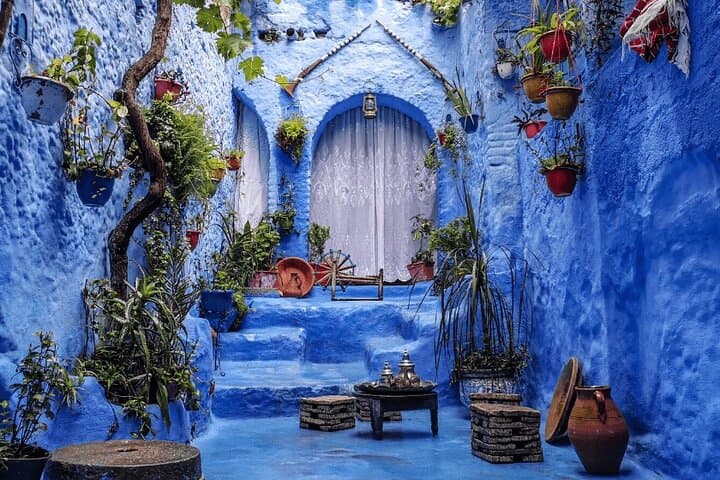
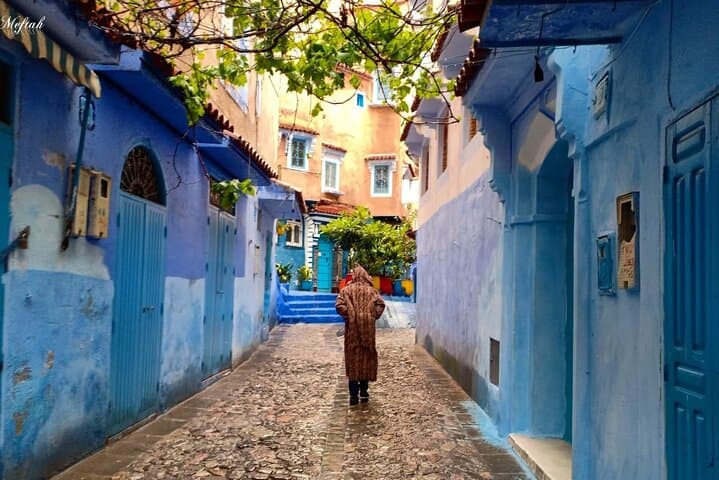
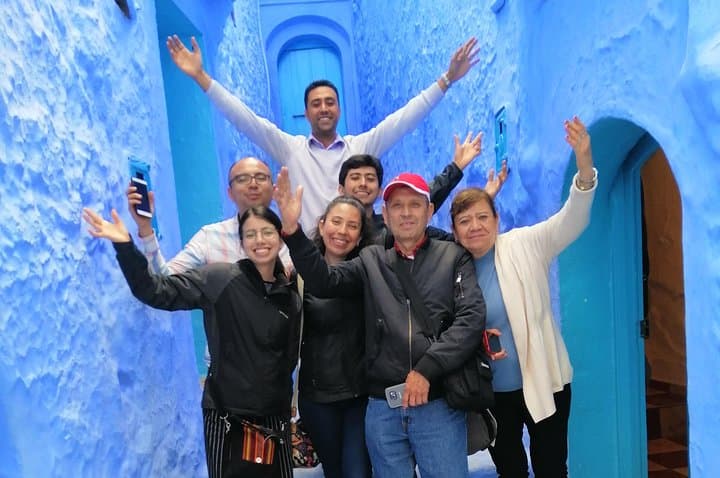
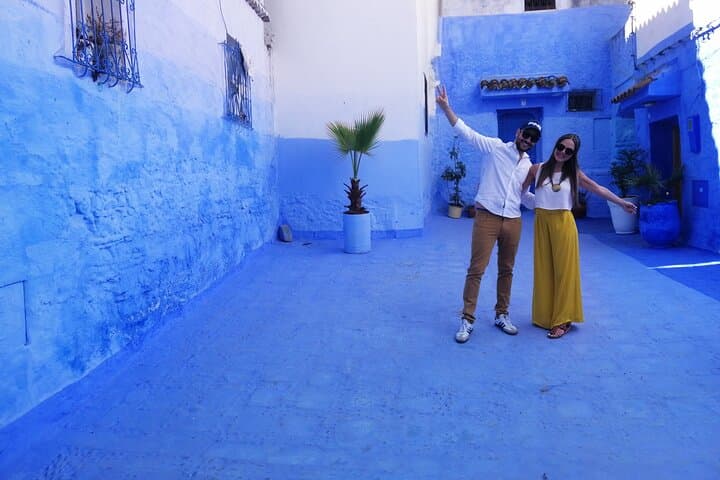
You arrive to a slope of blue façades and a scent of mint tea drifting from a tucked café — Chefchaouen greets you in hues sharp enough to pause a camera. The drive from Tangier through the Rif foothills loosens city noise and prepares you for narrow lanes where sunlight fractures across painted doors and laundry lines.
You arrive to a slope of blue façades and a scent of mint tea drifting from a tucked café — Chefchaouen greets you in hues sharp enough to pause a camera. The drive from Tangier through the Rif foothills loosens city noise and prepares you for narrow lanes where sunlight fractures across painted doors and laundry lines.
The town was founded in the 15th century by Moorish and Andalusian settlers; its octagonal mosque and stone kasbah recall those roots while the blue-wash tradition—often linked to Jewish symbolism and later aesthetic choices—gives the medina its unmissable character. Geologically, the Rif Mountains are folded limestone and shale; Chefchaouen sits on terraced slopes where springs like Ras Elma have long shaped daily life and social rhythms.
A guided walking tour winds through alleys and souks, stopping at quiet fountains, a small cemetery, and viewpoints that open to cedar-dotted ridgelines. Expect local craft stalls, woven blankets, and vendors selling argan oil and spices; exchanges are friendly, and bargaining is customary but polite.
Practical guidance: wear sturdy, broken-in shoes—the cobbles are uneven and the town is hilly. Carry 1–1.5 liters of water, sun protection, and small change for purchases and tips. Plan your visit early or late in the day to avoid the hottest hours and crowds; the best photos come in morning light or during the long golden hour before sunset. If you have limited mobility, notify your operator—some streets are steep and not wheelchair-friendly. Bring respect for local customs: modest dress helps in conservative areas. With those basics covered, the day trip is an easy, richly textured entry into Morocco’s northern mountains.