THE ADVENTURE COLLECTIVE® · Independent discovery and booking for outdoor travel

Spend a day in Chefchaouen’s blue-washed medina and Rif Mountain setting on a shared day trip from Fes. Expect long drive time, cobbled alleys, kasbah views, local markets, and practical tips for making the most of an 11–12 hour outing.
Spend a day in Chefchaouen’s blue-washed medina and Rif Mountain setting on a shared day trip from Fes. Expect long drive time, cobbled alleys, kasbah views, local markets, and practical tips for making the most of an 11–12 hour outing.
The bus parks and the town’s blue alleys open like chapters: walls cool under a dry Rif breeze, the mountain above Chefchaouen watching over narrow lanes that slope and bend.
Verified experiences and guided adventures in the surrounding area.
Operated by Happy Moroccan Tours · Chefchaouen, Tanger-Tetouan-Al Hoceima
The bus parks and the town’s blue alleys open like chapters: walls cool under a dry Rif breeze, the mountain above Chefchaouen watching over narrow lanes that slope and bend.
This full-day trip from Fes delivers concentrated contrast — four hours of scenic driving through the Rif’s folded limestone ridges, then hours of walking where light transforms plaster from cerulean to indigo. Chefchaouen’s medina grew from a 15th-century settlement with Andalusian refugees and long-standing Amazigh (Berber) presence; its colors originally came from local households and later became an aesthetic code for identity and tourism.
Geology here is visible: karstic limestone outcrops form the ridgeline, feeding clear springs that shaped the town’s terraces. Culture is tactile — merchants sell handwoven blankets, brass lamps, and locally dyed wool; mosques and the Kasbah narrate layered histories of trade and migration.
Expect cobblestone streets and steep short stairways more than long hikes; the town sits around 560 m elevation, so acclimatization is minimal. Walk the main alleys early to avoid crowds, visit the restored Kasbah for panoramic rooftop views, and taste goat cheese and tagine at a small café.
Practical notes: the round trip is long (about 11–12 hours total), so pack snacks, cash for small purchases, and a lightweight daypack. Wear grippy shoes for uneven stones and bring sun protection — the blue paint reflects light. Respect prayer times, ask before photographing people, and leave no trace: that bright blue only stays vibrant if visitors treat it gently.
easy.
11–12 hours.
Basic fitness for extended day travel and several hours of walking on uneven surfaces
Plan for about 3.5–4 hours each way depending on traffic and stops, making this an 11–12 hour round-trip excursion.
Many streets are narrow and cobbled with steps; some areas are accessible but overall mobility can be limited — check the tour’s accessibility options in advance.
Most shared tours include or offer bottled water and may stop for a local lunch; check the specific itinerary or bring snacks if you prefer.
Arabic and Tarifit (Amazigh) are common; many vendors and guides speak French or Spanish, and tourist guides often speak English.
Founded in the 15th century with Andalusian influences and strong Amazigh roots, Chefchaouen grew as a refuge and trading stop in the Rif Mountains.
Tourist pressure affects paint maintenance and waste; support small local businesses and avoid buying items made from endangered species.
Happy Moroccan Tours operates guided outdoor trips and adventures with an emphasis on safety, stewardship, and memorable experiences.
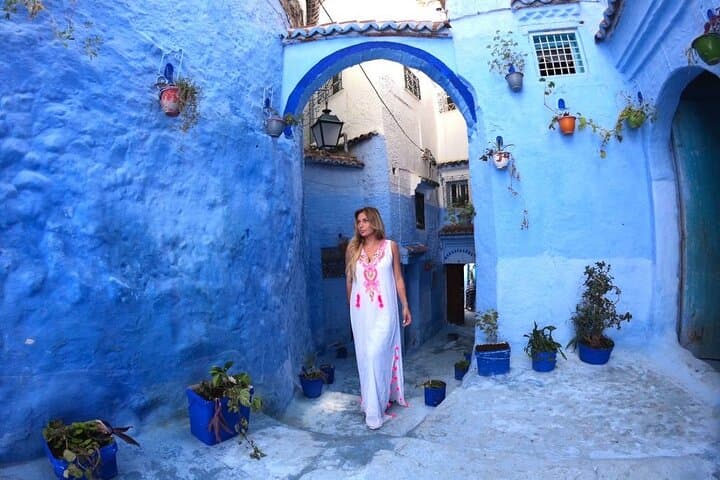
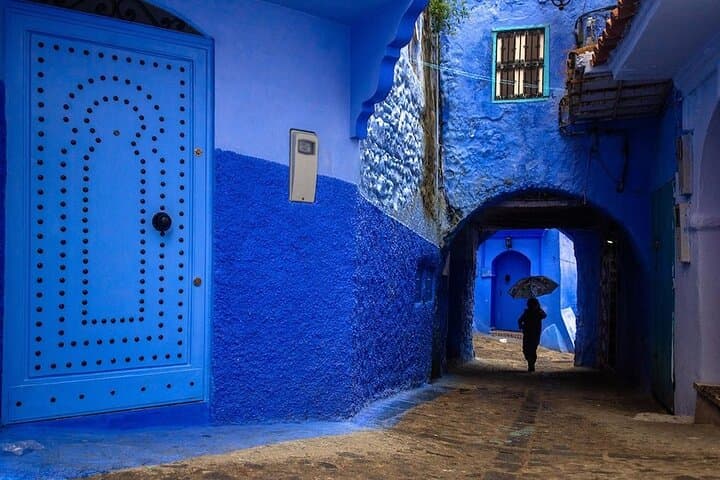


The bus parks and the town’s blue alleys open like chapters: walls cool under a dry Rif breeze, the mountain above Chefchaouen watching over narrow lanes that slope and bend.
The bus parks and the town’s blue alleys open like chapters: walls cool under a dry Rif breeze, the mountain above Chefchaouen watching over narrow lanes that slope and bend.
This full-day trip from Fes delivers concentrated contrast — four hours of scenic driving through the Rif’s folded limestone ridges, then hours of walking where light transforms plaster from cerulean to indigo. Chefchaouen’s medina grew from a 15th-century settlement with Andalusian refugees and long-standing Amazigh (Berber) presence; its colors originally came from local households and later became an aesthetic code for identity and tourism.
Geology here is visible: karstic limestone outcrops form the ridgeline, feeding clear springs that shaped the town’s terraces. Culture is tactile — merchants sell handwoven blankets, brass lamps, and locally dyed wool; mosques and the Kasbah narrate layered histories of trade and migration.
Expect cobblestone streets and steep short stairways more than long hikes; the town sits around 560 m elevation, so acclimatization is minimal. Walk the main alleys early to avoid crowds, visit the restored Kasbah for panoramic rooftop views, and taste goat cheese and tagine at a small café.
Practical notes: the round trip is long (about 11–12 hours total), so pack snacks, cash for small purchases, and a lightweight daypack. Wear grippy shoes for uneven stones and bring sun protection — the blue paint reflects light. Respect prayer times, ask before photographing people, and leave no trace: that bright blue only stays vibrant if visitors treat it gently.