THE ADVENTURE COLLECTIVE® · Independent discovery and booking for outdoor travel

Drive north from Fez into the Rif and step into Chefchaouen’s blue-washed lanes: a compact medina, easy viewpoints and Andalusian-influenced craft culture. This full-day excursion balances scenic mountain driving with hours to explore the city on foot.
Drive north from Fez into the Rif and step into Chefchaouen’s blue-washed lanes: a compact medina, easy viewpoints and Andalusian-influenced craft culture. This full-day excursion balances scenic mountain driving with hours to explore the city on foot.
Morning light strips across the Rif as your van winds north from Fez, the road climbing into a landscape of terraced fields and craggy ridgelines. By the time the medina appears, its alleys painted in layers of indigo and sky, the city feels like a quiet, deliberate interruption: bluewashed houses, laundry lines, and the low hum of daily life.
Verified experiences and guided adventures in the surrounding area.
Operated by Happy Moroccan Tours · Chefchaouen, Chefchaouen Province
Morning light strips across the Rif as your van winds north from Fez, the road climbing into a landscape of terraced fields and craggy ridgelines. By the time the medina appears, its alleys painted in layers of indigo and sky, the city feels like a quiet, deliberate interruption: bluewashed houses, laundry lines, and the low hum of daily life.
Chefchaouen sits in the Rif Mountains, founded in the 15th century and reshaped by Andalusian refugees who brought pottery, textile patterns, and the tradition of painting walls blue. Geologically the Rif is a folded, largely sedimentary range — ridges and limestone outcrops that channel winter runoff into seasonal streams. The culture here is small-scale and tactile: artisans weaving wool, local markets selling olives and preserved lemons, and goats picking at steep slopes.
Your day trip blends relaxed wandering with practical viewpoints: Uta el-Hammam square and the kasbah for history, the short hike to the Spanish Mosque for a panoramic composition of blue roofs and green terraces. Expect narrow cobbled streets, several lookouts within easy reach, and plentiful photo opportunities; the town is compact and mostly walkable at a measured pace.
Practical guidance: leave early from Fez to avoid afternoon heat, carry water and a hat, and wear sturdy shoes for uneven paving. Bring small-denomination dirhams for local purchases and respect conservative dress in public. If you plan to hike higher into the Rif, check weather and transport options, as conditions can change rapidly during shoulder seasons.
easy.
10–11 hours.
Suitable for most fitness levels; expect walking on uneven cobbles and short stair climbs.
Yes — the tour includes hotel pickup and drop-off; confirm your pickup point at booking.
Typically several hours to explore the medina and reach the main viewpoint; you wander at your own pace once there.
The vehicle and some surfaces are wheelchair-accessible, but the medina has uneven cobbles and steps that may limit access to parts of the old town.
Moroccan dirhams are used locally; tipping guides and drivers is common (small amounts appreciated) and many vendors accept cash only.
Founded in the 15th century and reshaped by Andalusian refugees, Chefchaouen’s blue facades and artisanal crafts reflect a mix of Berber, Arab and Andalusian influences.
Water scarcity and growing visitor numbers strain local resources; travel lightly, buy from local artisans, and avoid single-use plastics where possible.
Happy Moroccan Tours operates guided outdoor trips and adventures with an emphasis on safety, stewardship, and memorable experiences.
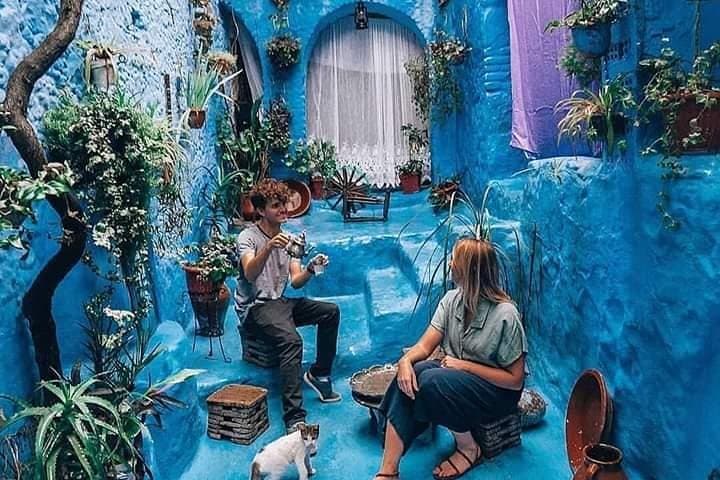
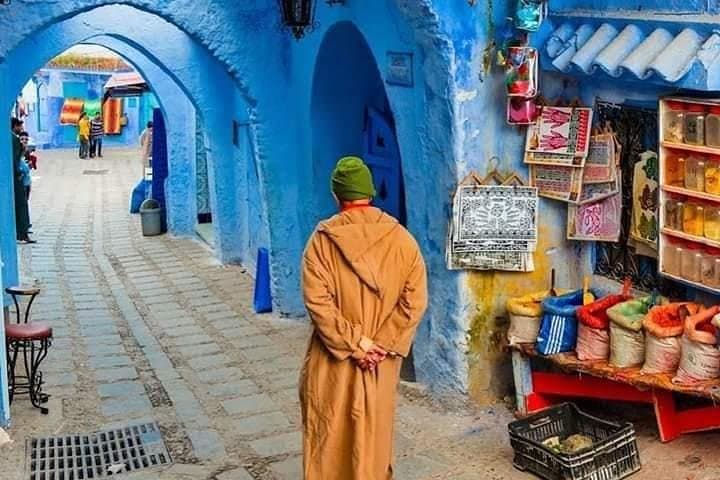
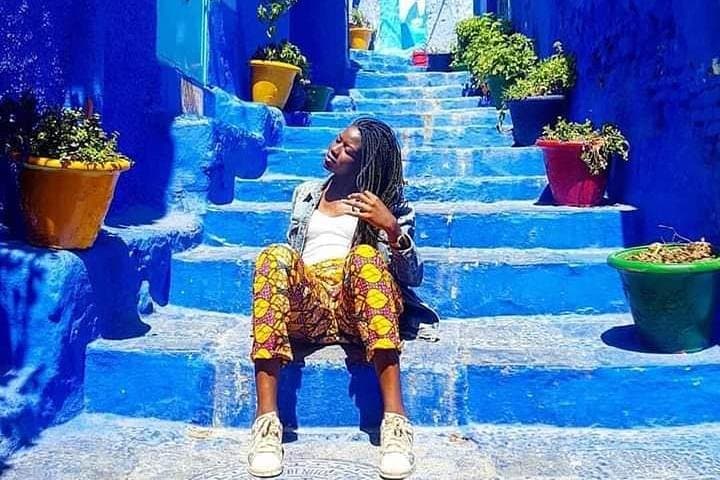
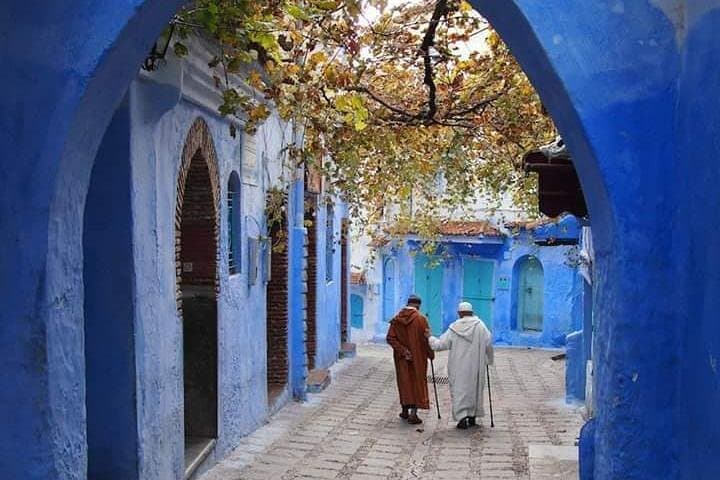
Morning light strips across the Rif as your van winds north from Fez, the road climbing into a landscape of terraced fields and craggy ridgelines. By the time the medina appears, its alleys painted in layers of indigo and sky, the city feels like a quiet, deliberate interruption: bluewashed houses, laundry lines, and the low hum of daily life.
Morning light strips across the Rif as your van winds north from Fez, the road climbing into a landscape of terraced fields and craggy ridgelines. By the time the medina appears, its alleys painted in layers of indigo and sky, the city feels like a quiet, deliberate interruption: bluewashed houses, laundry lines, and the low hum of daily life.
Chefchaouen sits in the Rif Mountains, founded in the 15th century and reshaped by Andalusian refugees who brought pottery, textile patterns, and the tradition of painting walls blue. Geologically the Rif is a folded, largely sedimentary range — ridges and limestone outcrops that channel winter runoff into seasonal streams. The culture here is small-scale and tactile: artisans weaving wool, local markets selling olives and preserved lemons, and goats picking at steep slopes.
Your day trip blends relaxed wandering with practical viewpoints: Uta el-Hammam square and the kasbah for history, the short hike to the Spanish Mosque for a panoramic composition of blue roofs and green terraces. Expect narrow cobbled streets, several lookouts within easy reach, and plentiful photo opportunities; the town is compact and mostly walkable at a measured pace.
Practical guidance: leave early from Fez to avoid afternoon heat, carry water and a hat, and wear sturdy shoes for uneven paving. Bring small-denomination dirhams for local purchases and respect conservative dress in public. If you plan to hike higher into the Rif, check weather and transport options, as conditions can change rapidly during shoulder seasons.