THE ADVENTURE COLLECTIVE® · Independent discovery and booking for outdoor travel

Walk Chefchaouen’s blue-washed alleys on a 2–3 hour guided tour that visits Outa el Hammam, the Kasbah and the Ras El‑Maa springs. Expect cobbled lanes, local craft stalls and mountain views.
Walk Chefchaouen’s blue-washed alleys on a 2–3 hour guided tour that visits Outa el Hammam, the Kasbah and the Ras El‑Maa springs. Expect cobbled lanes, local craft stalls and mountain views.
You step off the narrow lane and the town exhales blue — shutters, doorframes and stairways shaded in graduated indigo that mute the Rif Mountains behind it. The air smells of frying oil and mountain water; voices echo off plaster alleys while a distant stream dares you to follow it uphill.
Verified experiences and guided adventures in the surrounding area.
Operated by THE BLUE PEARL | CHEFCHAOUEN · Chefchaouen, Tanger-Tetouan-Al Hoceima
You step off the narrow lane and the town exhales blue — shutters, doorframes and stairways shaded in graduated indigo that mute the Rif Mountains behind it. The air smells of frying oil and mountain water; voices echo off plaster alleys while a distant stream dares you to follow it uphill.
Chefchaouen began as a 15th‑century kasbah and grew where Andalusian and local Berber traditions met. The blue paint most visitors notice is tied to 20th‑century Jewish customs and practical cooling; the town’s stone and plaster reflect the Rif’s limestone geology, shaped by tectonic contact between the African and Eurasian plates.
A guided 2–3 hour walking tour threads Outa el Hammam and the Kasbah with the medina’s labyrinth of craft stalls and rooftop vantage points. Ras El‑Maa, where mountain springs tumble into a valley, offers an immediate shift from urban pulse to water’s hush — local women still wash at the springs and small cascades feed inner courtyards.
Plan for cobbles, tight passages and frequent photo stops. Start early to catch the soft light and cooler streets, bring small bills for craft shops and tip where a guide opens a locked door or translation is needed. Wear grippy shoes for uneven stone, and carry a light layer — temperatures swing quickly in the shade.
This is a strollable, sensory town that rewards slow movement: breathe the spice markets, climb a rooftop for sunset, and give the blue its proper time — the color’s charm doubles as a practical coat against heat and dust.
easy.
2–3 hours.
Suitable for most fitness levels; requires walking on uneven cobblestones and short stair sections.
The tour runs approximately 2–3 hours and covers Outa el Hammam, the Kasbah, Ras El‑Maa and the medina’s main lanes.
Yes — the tour listing includes pick up from hotels within Chefchaouen as part of the service.
Kasbah admission is included for the Outa el Hammam visit noted on the itinerary; other special museums may have separate fees.
Some central areas are stroller‑friendly but many alleys and steps are uneven; full wheelchair access is limited in the historic medina.
Founded as a 15th‑century kasbah, Chefchaouen later absorbed Andalusian and Jewish influences; the bluewashing became prominent in the 20th century and reflects both cultural and practical motivations.
Visitor pressure concentrates on the medina and springs; favor local vendors, avoid single‑use plastics, and respect sites where water remains a community resource.
THE BLUE PEARL | CHEFCHAOUEN operates guided outdoor trips and adventures with an emphasis on safety, stewardship, and memorable experiences.
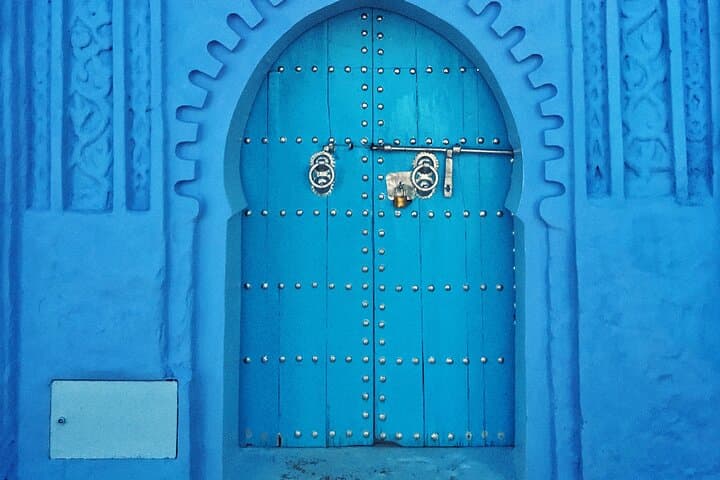
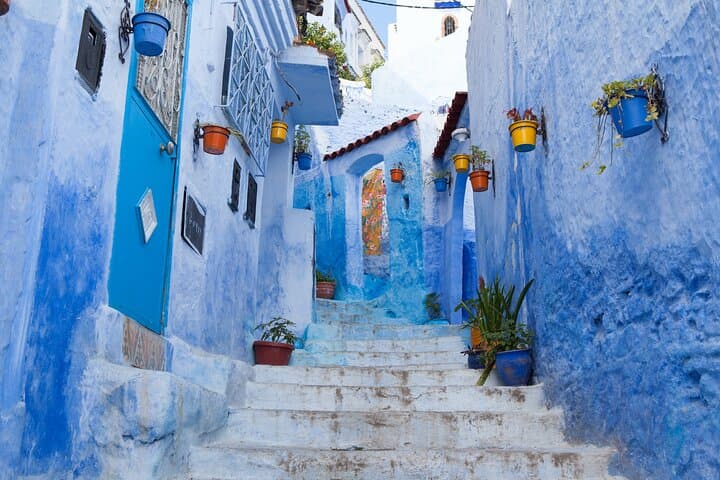
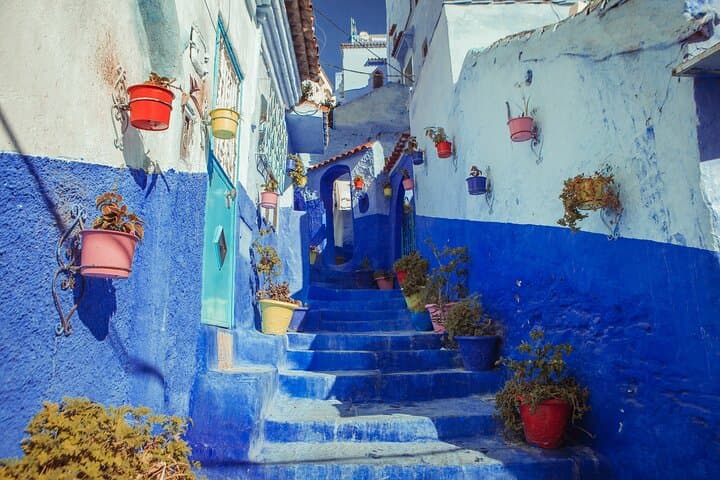
You step off the narrow lane and the town exhales blue — shutters, doorframes and stairways shaded in graduated indigo that mute the Rif Mountains behind it. The air smells of frying oil and mountain water; voices echo off plaster alleys while a distant stream dares you to follow it uphill.
You step off the narrow lane and the town exhales blue — shutters, doorframes and stairways shaded in graduated indigo that mute the Rif Mountains behind it. The air smells of frying oil and mountain water; voices echo off plaster alleys while a distant stream dares you to follow it uphill.
Chefchaouen began as a 15th‑century kasbah and grew where Andalusian and local Berber traditions met. The blue paint most visitors notice is tied to 20th‑century Jewish customs and practical cooling; the town’s stone and plaster reflect the Rif’s limestone geology, shaped by tectonic contact between the African and Eurasian plates.
A guided 2–3 hour walking tour threads Outa el Hammam and the Kasbah with the medina’s labyrinth of craft stalls and rooftop vantage points. Ras El‑Maa, where mountain springs tumble into a valley, offers an immediate shift from urban pulse to water’s hush — local women still wash at the springs and small cascades feed inner courtyards.
Plan for cobbles, tight passages and frequent photo stops. Start early to catch the soft light and cooler streets, bring small bills for craft shops and tip where a guide opens a locked door or translation is needed. Wear grippy shoes for uneven stone, and carry a light layer — temperatures swing quickly in the shade.
This is a strollable, sensory town that rewards slow movement: breathe the spice markets, climb a rooftop for sunset, and give the blue its proper time — the color’s charm doubles as a practical coat against heat and dust.