THE ADVENTURE COLLECTIVE® · Independent discovery and booking for outdoor travel

Wander alleys washed in blue and discover the stories behind Chefchaouen’s famous hue on a 2½-hour guided walking tour. Visit the Kasbah, Ras el Ma springs, artisan workshops, and viewpoint terraces while learning local history and practical tips for photographing the medina.
Wander alleys washed in blue and discover the stories behind Chefchaouen’s famous hue on a 2½-hour guided walking tour. Visit the Kasbah, Ras el Ma springs, artisan workshops, and viewpoint terraces while learning local history and practical tips for photographing the medina.
Walk past doorways painted in every shade of blue and feel the Rif Mountains press against the town as narrow alleys open onto sunlit squares.
Verified experiences and guided adventures in the surrounding area.
Operated by MaëAndOmar · Chefchaouen, Tanger-Tetouan-Al Hoceima
Walk past doorways painted in every shade of blue and feel the Rif Mountains press against the town as narrow alleys open onto sunlit squares.
This guided 2½-hour walking tour threads through Chefchaouen’s medina, where Andalusian urban planning and Berber craftsmanship meet. The city’s blue walls trace back to Jewish refugees in the 15th century and later, practical arguments about cooling walls and insect control; today the pigment defines a living neighborhood rather than a staged attraction. Geologically, the town sits on folded limestone foothills of the Rif, and mornings often bring a thin haze rising from the valleys that softens distant ridgelines.
You’ll visit the 15th-century Kasbah tower, skirt the Grand Mosque (viewed from the outside), and stop at Ras el Ma springs where locals still wash and orange trees shade the pathways. Guides point out artisan workshops that dye wool, craft copperware, and press argan and olive oil—trade skills shaped by centuries of cross-Mediterranean exchange.
Practical edge: paths are mostly paved but uneven; expect short stairways and occasional steep streets. Bring water, a camera with a modest zoom for courtyard details, and modest clothing for respectful entry to religious sites. Midday is brightest for color contrasts, but early morning or late afternoon light suits photography and cooler walking.
Local etiquette matters: ask before photographing people, accept mint tea with a polite refusal option, and support small workshops directly. The tour balances relaxed exploration with local context—ideal for culture seekers and photographers wanting more than surface views.
easy.
2–3 hours.
Light walking on uneven cobblestones; suitable for most fitness levels who can manage short climbs and stairs.
The tour lasts approximately 2½ hours (150 minutes), covering the medina, Kasbah exterior, Ras el Ma springs, and viewpoints.
Yes—this is an easy-paced walking tour, but some cobbled streets and stairs may be challenging for very young children or those with mobility issues.
This itinerary views the Kasbah exterior and main square; entrance fees for museum access are not typically included unless specified.
Private tours often offer multilingual guides—confirm language availability when booking to ensure a comfortable experience.
Chefchaouen was founded in the late 15th century with Andalusian influence and later became a refuge for Jews and Muslims fleeing Iberia; its blue-washing tradition links to both religious and practical origins.
Tourism impacts narrow medina streets and water use around Ras el Ma; support small local businesses, avoid single-use plastics, and follow guide instructions to minimize wear on historic fabric.
MaëAndOmar operates guided outdoor trips and adventures with an emphasis on safety, stewardship, and memorable experiences.
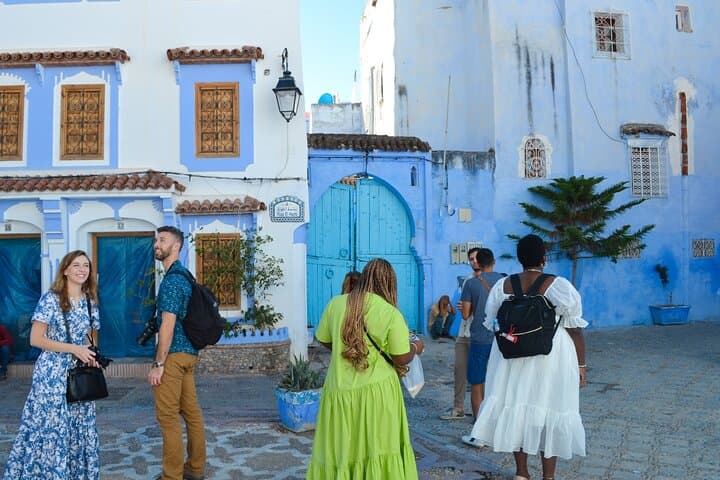
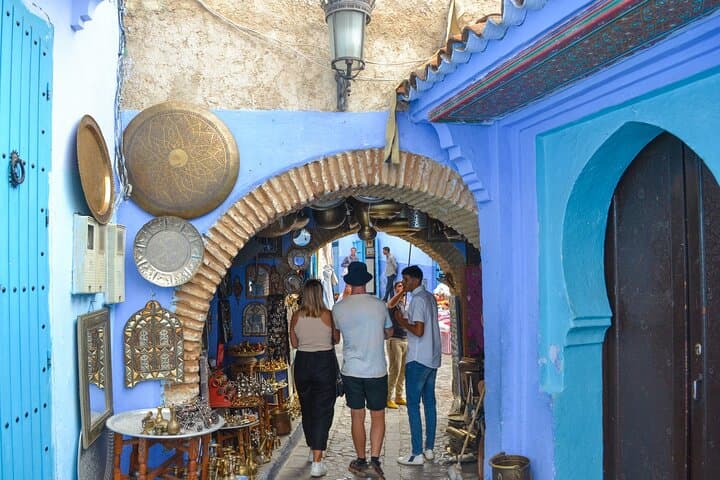
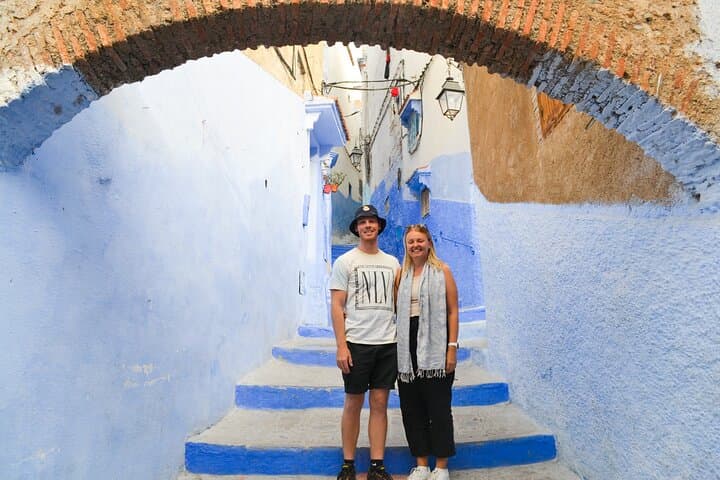
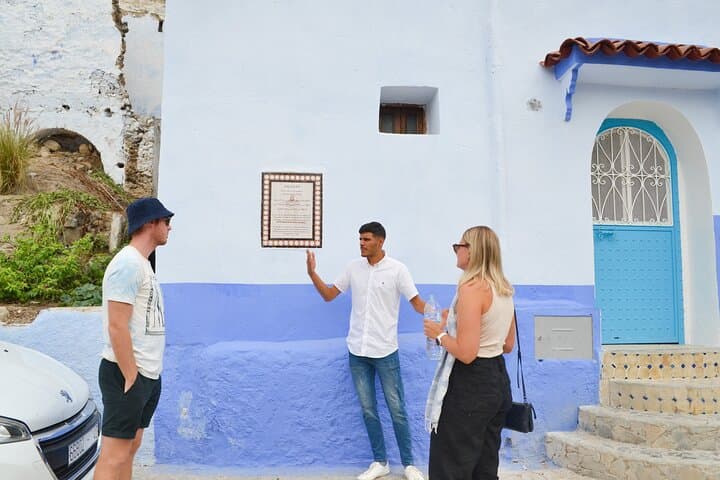
Walk past doorways painted in every shade of blue and feel the Rif Mountains press against the town as narrow alleys open onto sunlit squares.
Walk past doorways painted in every shade of blue and feel the Rif Mountains press against the town as narrow alleys open onto sunlit squares.
This guided 2½-hour walking tour threads through Chefchaouen’s medina, where Andalusian urban planning and Berber craftsmanship meet. The city’s blue walls trace back to Jewish refugees in the 15th century and later, practical arguments about cooling walls and insect control; today the pigment defines a living neighborhood rather than a staged attraction. Geologically, the town sits on folded limestone foothills of the Rif, and mornings often bring a thin haze rising from the valleys that softens distant ridgelines.
You’ll visit the 15th-century Kasbah tower, skirt the Grand Mosque (viewed from the outside), and stop at Ras el Ma springs where locals still wash and orange trees shade the pathways. Guides point out artisan workshops that dye wool, craft copperware, and press argan and olive oil—trade skills shaped by centuries of cross-Mediterranean exchange.
Practical edge: paths are mostly paved but uneven; expect short stairways and occasional steep streets. Bring water, a camera with a modest zoom for courtyard details, and modest clothing for respectful entry to religious sites. Midday is brightest for color contrasts, but early morning or late afternoon light suits photography and cooler walking.
Local etiquette matters: ask before photographing people, accept mint tea with a polite refusal option, and support small workshops directly. The tour balances relaxed exploration with local context—ideal for culture seekers and photographers wanting more than surface views.