THE ADVENTURE COLLECTIVE® · Independent discovery and booking for outdoor travel

Spend a day combining close-up wildlife encounters with cellar-door tastings in the Cape Winelands. This private, coach-supported tour pairs conservation-focused animal experiences with wines from estates like Diemersfontein.
Spend a day combining close-up wildlife encounters with cellar-door tastings in the Cape Winelands. This private, coach-supported tour pairs conservation-focused animal experiences with wines from estates like Diemersfontein.
A slow, dry wind carries the scent of crushed grape leaves as the van slips out of Cape Town toward low, folded mountains. By mid-morning the landscape opens into the Cape Winelands: rows of vines march across slopes while wildlife enclosures sit against scrub and koppie rock. The day alternates between intimate animal encounters and relaxed cellar-door tastings, with guides moving the rhythm from conservation talk to wine notes.
Verified experiences and guided adventures in the surrounding area.
Operated by Adolph Touring · Cape Town, Western Cape
A slow, dry wind carries the scent of crushed grape leaves as the van slips out of Cape Town toward low, folded mountains. By mid-morning the landscape opens into the Cape Winelands: rows of vines march across slopes while wildlife enclosures sit against scrub and koppie rock. The day alternates between intimate animal encounters and relaxed cellar-door tastings, with guides moving the rhythm from conservation talk to wine notes.
The Cape Winelands grew from 17th- and 18th-century farms and Huguenot viticulture; granite outcrops and shale soils give the tasting rooms different flavor signatures—Pinotage’s earthiness often reflects the region’s heavy, iron-rich soils. Giraffe House and the Cheetah Experience are modern conservation projects blending education with rehabilitation; they emphasize species protection and visitor safety rather than free-ranging viewing.
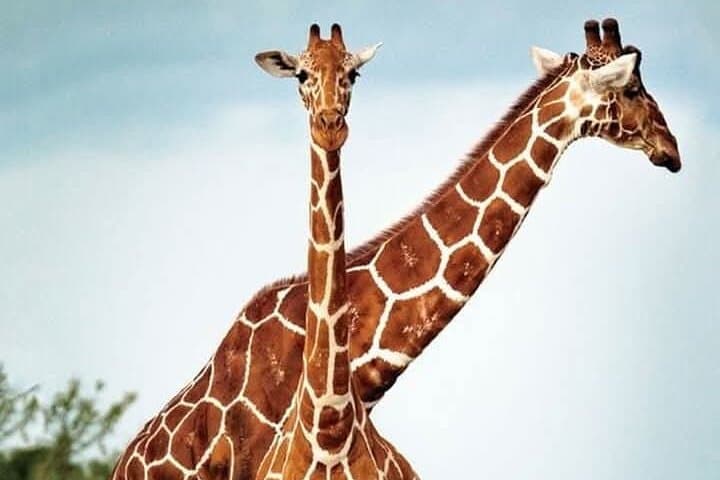
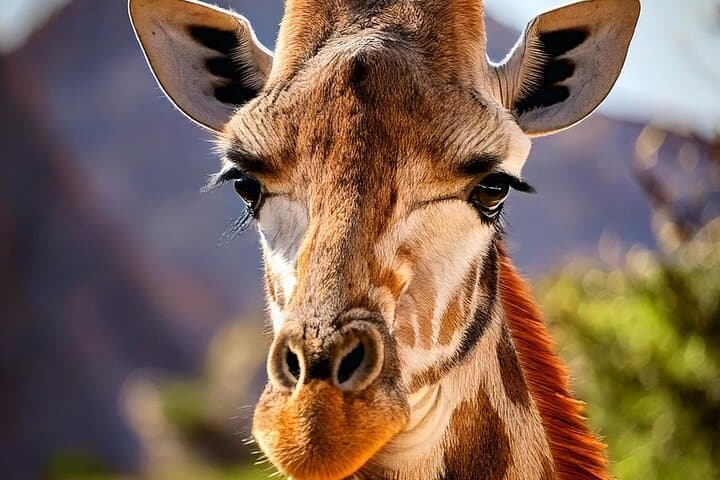
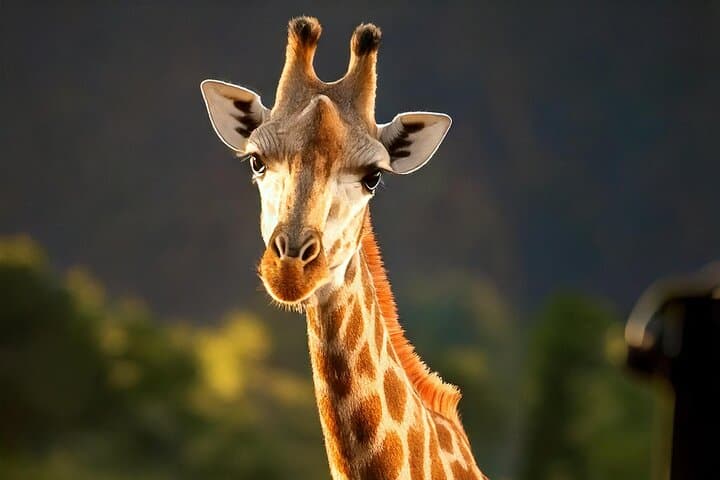
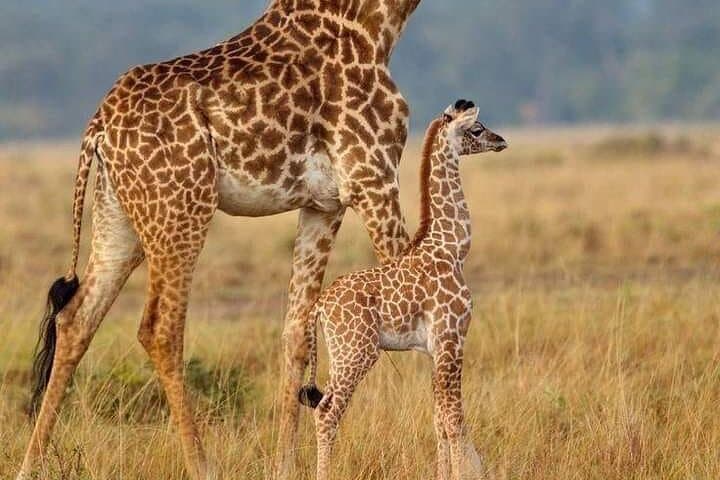
Expect close, supervised viewing rather than wild sightings: giraffes craning their necks and cheetahs pacing in managed enclosures while interpreters explain behaviour, diet and rewilding challenges. Then a late-afternoon visit to Diemersfontein or similar estate introduces you to locally distinctive wines—look for bold Pinotage and fruit-forward Chenin Blanc—paired with wide vineyard views.
Practical guidance: this is an eight-hour, coach-supported private tour that’s accessible to most fitness levels but involves walking on compacted earth and steps. Bring sun protection, a camera with a zoom, and a reusable bottle. Respect staff instructions around animals: no feeding or sudden movements. Aim for morning departures to catch animals at their most active and wineries before the late-afternoon rush.
easy.
8 hours.
Suitable for most fitness levels; involves short walks and standing during talks and tastings
Yes—this is a coach-supported private tour with pickup and drop-off; your booking will confirm the pickup point and time.
Interactions are supervised and focused on welfare; touching is only allowed under strict staff guidance and usually limited to specific programs.
Wine tastings at the listed estate are included; the legal drinking age in South Africa is 18, and staff will request ID if required.
The operator lists wheelchair accessibility for most areas, but certain enclosures and vineyard terraces may have steps—check specific access needs when booking.
The Cape Winelands were shaped by 17th–18th century Dutch and Huguenot settlers who established vineyards; local soils and granite outcrops influence wine character.
Sanctuaries focus on education and rehabilitation—visitors should follow rules to minimize stress on animals and support long-term protection efforts.
Adolph Touring operates guided outdoor trips and adventures with an emphasis on safety, stewardship, and memorable experiences.
A slow, dry wind carries the scent of crushed grape leaves as the van slips out of Cape Town toward low, folded mountains. By mid-morning the landscape opens into the Cape Winelands: rows of vines march across slopes while wildlife enclosures sit against scrub and koppie rock. The day alternates between intimate animal encounters and relaxed cellar-door tastings, with guides moving the rhythm from conservation talk to wine notes.
A slow, dry wind carries the scent of crushed grape leaves as the van slips out of Cape Town toward low, folded mountains. By mid-morning the landscape opens into the Cape Winelands: rows of vines march across slopes while wildlife enclosures sit against scrub and koppie rock. The day alternates between intimate animal encounters and relaxed cellar-door tastings, with guides moving the rhythm from conservation talk to wine notes.
The Cape Winelands grew from 17th- and 18th-century farms and Huguenot viticulture; granite outcrops and shale soils give the tasting rooms different flavor signatures—Pinotage’s earthiness often reflects the region’s heavy, iron-rich soils. Giraffe House and the Cheetah Experience are modern conservation projects blending education with rehabilitation; they emphasize species protection and visitor safety rather than free-ranging viewing.
Expect close, supervised viewing rather than wild sightings: giraffes craning their necks and cheetahs pacing in managed enclosures while interpreters explain behaviour, diet and rewilding challenges. Then a late-afternoon visit to Diemersfontein or similar estate introduces you to locally distinctive wines—look for bold Pinotage and fruit-forward Chenin Blanc—paired with wide vineyard views.
Practical guidance: this is an eight-hour, coach-supported private tour that’s accessible to most fitness levels but involves walking on compacted earth and steps. Bring sun protection, a camera with a zoom, and a reusable bottle. Respect staff instructions around animals: no feeding or sudden movements. Aim for morning departures to catch animals at their most active and wineries before the late-afternoon rush.