THE ADVENTURE COLLECTIVE® · Independent discovery and booking for outdoor travel

Spend a day pairing adrenaline and elegance: up-close conservation encounters with big cats in Somerset West followed by a guided wine tasting in Stellenbosch. This seven-hour tour blends education, wildlife viewing, and Cape Winelands flavor.
Spend a day pairing adrenaline and elegance: up-close conservation encounters with big cats in Somerset West followed by a guided wine tasting in Stellenbosch. This seven-hour tour blends education, wildlife viewing, and Cape Winelands flavor.
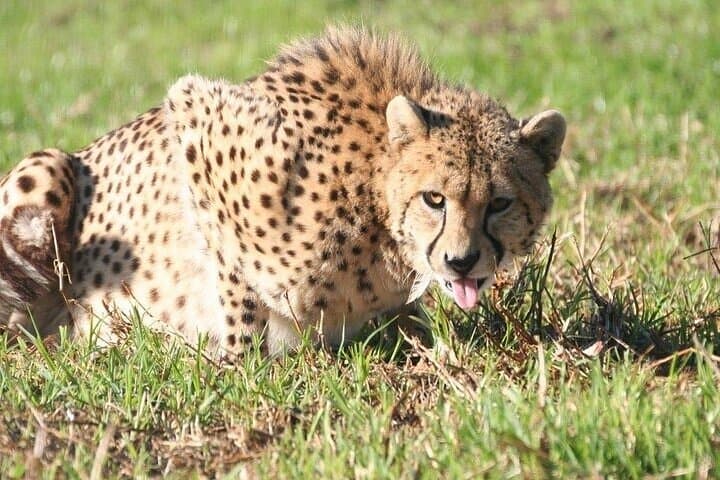
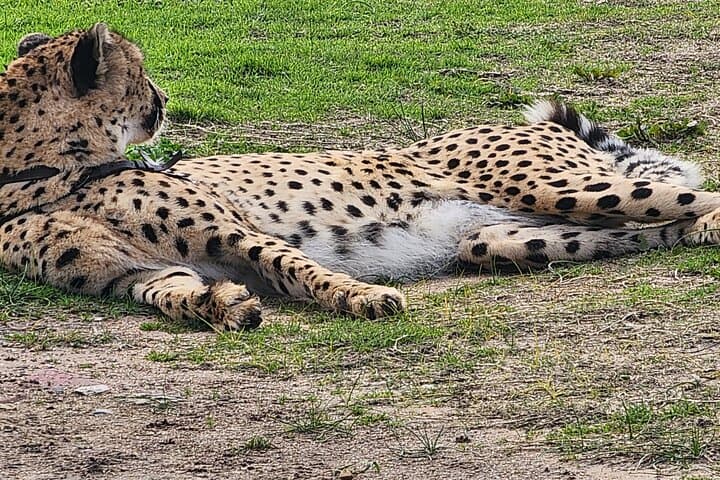
Morning light pours over Table Bay as the van pulls away from Cape Town — the city slips behind and the road pushes east into the low, folded hills of the Cape Winelands. By midmorning you’re standing on dry, sun-warmed earth at a predator outreach center in Somerset West, watching a cheetah pace with feline calm and a guide explain conservation work up close.
Verified experiences and guided adventures in the surrounding area.
Operated by african macaw dmc and Safaris · Stellenbosch, Western Cape
Morning light pours over Table Bay as the van pulls away from Cape Town — the city slips behind and the road pushes east into the low, folded hills of the Cape Winelands. By midmorning you’re standing on dry, sun-warmed earth at a predator outreach center in Somerset West, watching a cheetah pace with feline calm and a guide explain conservation work up close.
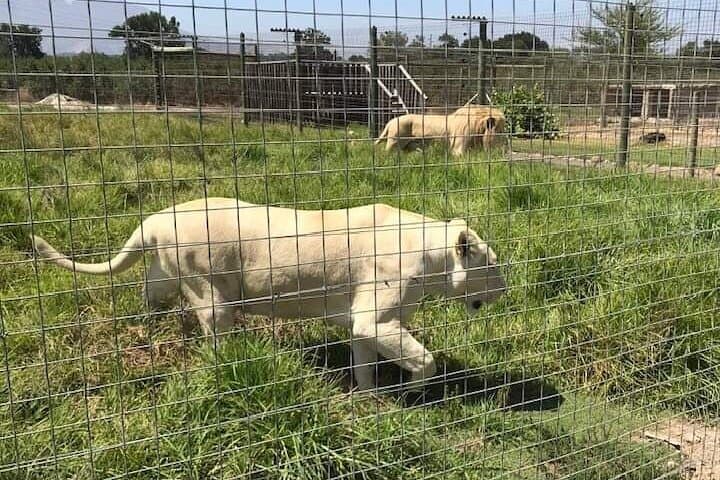
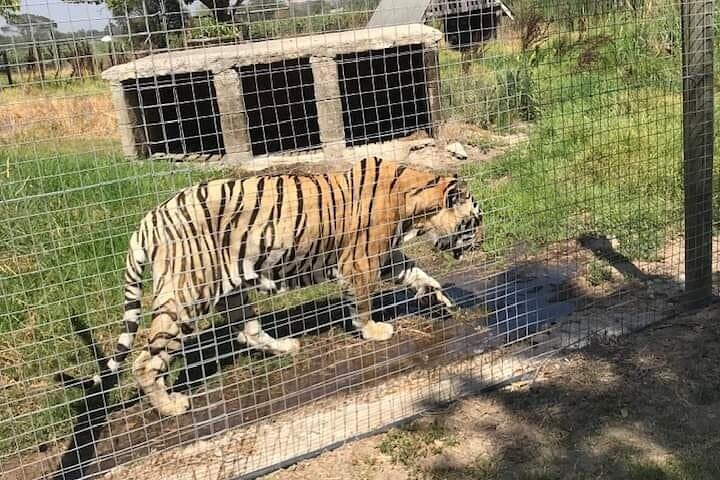
The route threads between the Helderberg and Simonsberg ranges, geology of old folded sandstone and Cape Granite that shapes the region’s soils and grape varieties. Stellenbosch, founded in 1679, grew where farmland met mountain runoff; today its oak-lined streets and Cape Dutch homesteads sit beside estates that produce some of the Western Cape’s best wines. Vredenheim and similar properties combine viticulture with curated wildlife enclosures, offering a rare pairing of conservation viewing and tasting.
Expect guided animal talks, regulated encounters at the outreach center, and a seated wine tasting of several local varieties — sauvignon blanc, chenin blanc and pinotage are common. The day moves at a steady, accessible pace: short walks on compacted paths, vehicle transfers, and time to sample wines; lunch is optional.
Practical notes: pickup from Cape Town around 08:00, total tour time about seven hours, moderate walking and standing, and strict rules around alcohol for under-18s. Bring sun protection, a camera with a zoom lens, comfortable shoes, and respect the animals and guides. With a little planning you’ll leave with clearer insight into both predator conservation and the craft behind Stellenbosch wines.
easy.
7 hours.
Suitable for most fitness levels; involves short, flat walks and standing during talks and tastings
Yes — pickup and drop-off from Cape Town accommodations are included; precise pickup time and location are confirmed at booking.
No — interactions are regulated; you’ll have close viewing and guided talks but direct handling is not permitted for safety and welfare.
Children may join; alcohol is served at tastings but South African law prohibits alcohol consumption by anyone under 18.
The tour lists wheelchair and stroller accessibility and offers vehicle options to accommodate mobility needs; notify the operator at booking for arrangements.
Stellenbosch dates to 1679 and developed as a farming and wine region where European vineyards adapted to Cape soils and climate.
Choose operators that support accredited sanctuaries; responsible visits fund education and animal care and reduce pressure on wild populations.
african macaw dmc and Safaris operates guided outdoor trips and adventures with an emphasis on safety, stewardship, and memorable experiences.
Morning light pours over Table Bay as the van pulls away from Cape Town — the city slips behind and the road pushes east into the low, folded hills of the Cape Winelands. By midmorning you’re standing on dry, sun-warmed earth at a predator outreach center in Somerset West, watching a cheetah pace with feline calm and a guide explain conservation work up close.
Morning light pours over Table Bay as the van pulls away from Cape Town — the city slips behind and the road pushes east into the low, folded hills of the Cape Winelands. By midmorning you’re standing on dry, sun-warmed earth at a predator outreach center in Somerset West, watching a cheetah pace with feline calm and a guide explain conservation work up close.
The route threads between the Helderberg and Simonsberg ranges, geology of old folded sandstone and Cape Granite that shapes the region’s soils and grape varieties. Stellenbosch, founded in 1679, grew where farmland met mountain runoff; today its oak-lined streets and Cape Dutch homesteads sit beside estates that produce some of the Western Cape’s best wines. Vredenheim and similar properties combine viticulture with curated wildlife enclosures, offering a rare pairing of conservation viewing and tasting.
Expect guided animal talks, regulated encounters at the outreach center, and a seated wine tasting of several local varieties — sauvignon blanc, chenin blanc and pinotage are common. The day moves at a steady, accessible pace: short walks on compacted paths, vehicle transfers, and time to sample wines; lunch is optional.
Practical notes: pickup from Cape Town around 08:00, total tour time about seven hours, moderate walking and standing, and strict rules around alcohol for under-18s. Bring sun protection, a camera with a zoom lens, comfortable shoes, and respect the animals and guides. With a little planning you’ll leave with clearer insight into both predator conservation and the craft behind Stellenbosch wines.