THE ADVENTURE COLLECTIVE® · Independent discovery and booking for outdoor travel

Fly into Lukla, hike through Sherpa villages and stand at Everest Base Camp and Kala Patthar on a budget-minded 12-day route. This guide covers terrain, altitude, culture and practical tips to prepare for high-altitude tea-house trekking.
Fly into Lukla, hike through Sherpa villages and stand at Everest Base Camp and Kala Patthar on a budget-minded 12-day route. This guide covers terrain, altitude, culture and practical tips to prepare for high-altitude tea-house trekking.
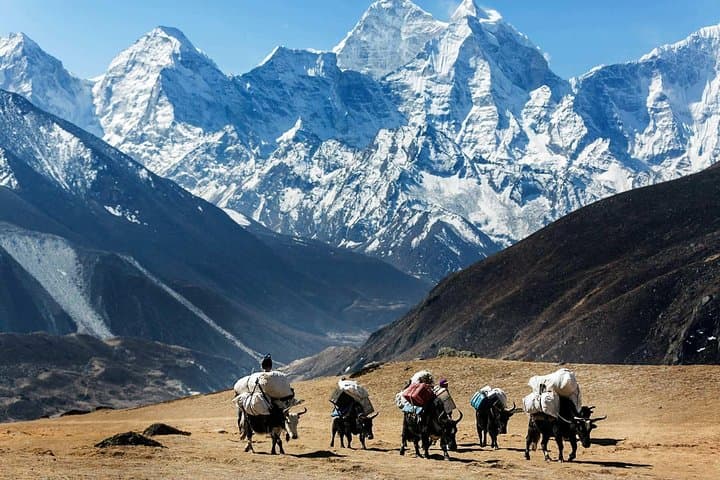
You step off a small plane at Lukla and the world sharpens: prayer flags snap in a thin wind, glacier-scrubbed ridgelines frame a town of corrugated roofs, and the trail ahead narrows into stone and suspension bridges. This budget 12-day itinerary follows the classic Lukla–Everest Base Camp route, trading luxury for close contact with Sherpa villages, high passes and raw Himalayan weather.
Verified experiences and guided adventures in the surrounding area.
Operated by Nepal Tour & Trekking Services · Kathmandu, Bagmati Province
You step off a small plane at Lukla and the world sharpens: prayer flags snap in a thin wind, glacier-scrubbed ridgelines frame a town of corrugated roofs, and the trail ahead narrows into stone and suspension bridges. This budget 12-day itinerary follows the classic Lukla–Everest Base Camp route, trading luxury for close contact with Sherpa villages, high passes and raw Himalayan weather.
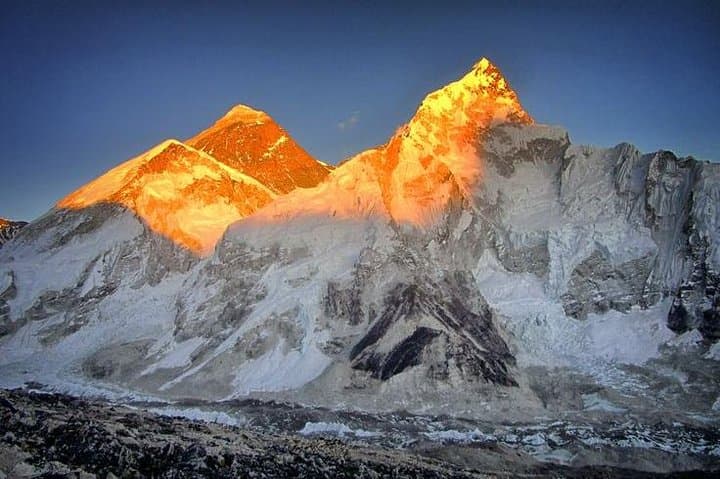
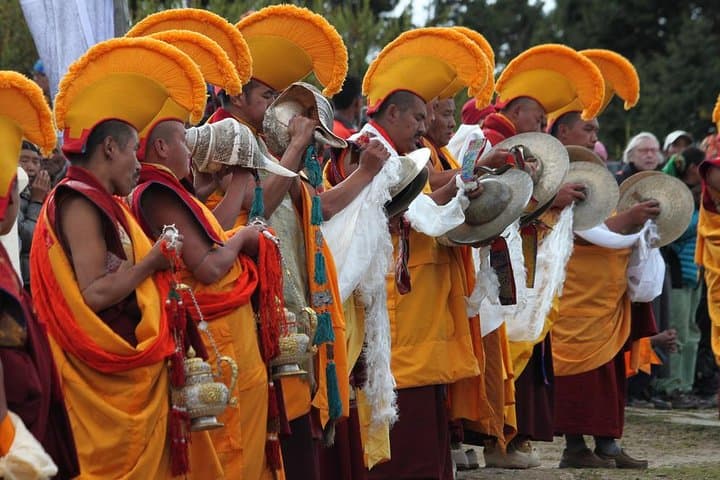
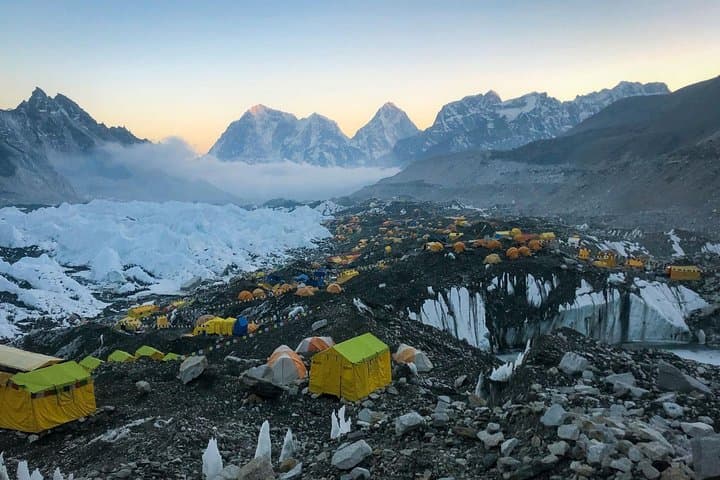
The route threads through Sagarmatha National Park, a UNESCO-protected landscape carved by tectonic uplift and repeated glaciation. Villages such as Namche Bazaar and Tengboche hold Sherpa cultural anchors—monasteries, mani stones and tea houses that have supported climbers and traders for generations. Geologically, the route climbs from river-cut valleys through moraine fields to the Everest moraine plain at Gorak Shep; the final push to Kala Patthar delivers the clearest sunrise view of Everest, Lhotse and Nuptse.
Expect 10–15 km walking days on uneven, rocky trails with frequent elevation gain; Lukla sits at ~2,860 m, Namche ~3,440 m, Dingboche ~4,360 m, Gorak Shep ~5,160 m and Kala Patthar ~5,545 m. Tea houses provide basic shared rooms and meals—hot water and oxygen are available for a fee. Flights to/from Lukla are weather-dependent, so allow buffer time.
Practical guidance: prioritize acclimatization days, bring layered insulation, a warm sleeping bag, and sturdy waterproof boots. Drink often, walk slowly on ascents, and use a guide or porter to reduce altitude risk. With planning and respect for local systems—permits, park fees and lodge customs—this is a direct, authentic way to stand where the earth meets the sky.
challenging.
11–12 days.
Good cardiovascular fitness and stamina for consecutive days of uphill walking and high-altitude exposure
Yes—Sagarmatha National Park entry and local Khumbu permits (or TIMS) are required and usually arranged by your operator.
Domestic flights to Lukla from Kathmandu or Ramechap are about 30–40 minutes; flights are weather-dependent and can be delayed or canceled.
Tea houses are basic: shared or small private rooms, common bathrooms, simple hot meals and limited heating—expect rustic conditions as elevation increases.
Common signs include headache, nausea, dizziness and fatigue; descend immediately if symptoms worsen or consult your guide for oxygen and evacuation options.
The Khumbu has long been a trans-Himalayan trade and mountaineering hub; Sagarmatha National Park protects both natural and Sherpa cultural heritage.
High-altitude ecosystems are fragile—use local lodges, avoid single-use plastics and respect waste-disposal practices to limit environmental impact.
Nepal Tour & Trekking Services operates guided outdoor trips and adventures with an emphasis on safety, stewardship, and memorable experiences.
You step off a small plane at Lukla and the world sharpens: prayer flags snap in a thin wind, glacier-scrubbed ridgelines frame a town of corrugated roofs, and the trail ahead narrows into stone and suspension bridges. This budget 12-day itinerary follows the classic Lukla–Everest Base Camp route, trading luxury for close contact with Sherpa villages, high passes and raw Himalayan weather.
You step off a small plane at Lukla and the world sharpens: prayer flags snap in a thin wind, glacier-scrubbed ridgelines frame a town of corrugated roofs, and the trail ahead narrows into stone and suspension bridges. This budget 12-day itinerary follows the classic Lukla–Everest Base Camp route, trading luxury for close contact with Sherpa villages, high passes and raw Himalayan weather.
The route threads through Sagarmatha National Park, a UNESCO-protected landscape carved by tectonic uplift and repeated glaciation. Villages such as Namche Bazaar and Tengboche hold Sherpa cultural anchors—monasteries, mani stones and tea houses that have supported climbers and traders for generations. Geologically, the route climbs from river-cut valleys through moraine fields to the Everest moraine plain at Gorak Shep; the final push to Kala Patthar delivers the clearest sunrise view of Everest, Lhotse and Nuptse.
Expect 10–15 km walking days on uneven, rocky trails with frequent elevation gain; Lukla sits at ~2,860 m, Namche ~3,440 m, Dingboche ~4,360 m, Gorak Shep ~5,160 m and Kala Patthar ~5,545 m. Tea houses provide basic shared rooms and meals—hot water and oxygen are available for a fee. Flights to/from Lukla are weather-dependent, so allow buffer time.
Practical guidance: prioritize acclimatization days, bring layered insulation, a warm sleeping bag, and sturdy waterproof boots. Drink often, walk slowly on ascents, and use a guide or porter to reduce altitude risk. With planning and respect for local systems—permits, park fees and lodge customs—this is a direct, authentic way to stand where the earth meets the sky.