THE ADVENTURE COLLECTIVE® · Independent discovery and booking for outdoor travel

Travel from Huaraz into the Conchucos Valley to explore Chavín de Huántar’s ceremonial plazas, subterranean galleries and the famed Lanzón monolith. This full-day tour pairs dramatic Andean scenery with accessible archaeology and a local museum.
Travel from Huaraz into the Conchucos Valley to explore Chavín de Huántar’s ceremonial plazas, subterranean galleries and the famed Lanzón monolith. This full-day tour pairs dramatic Andean scenery with accessible archaeology and a local museum.
On the high road out of Huaraz the mountains take on a slow, silent motion: the bus climbs, the air thins, and Laguna Querococha appears like a silver page folded into the range. The route crests at the Cahuish tunnel and then drops into the Conchucos Valley, where Chavín de Huántar sits at 3,180 meters — a compact archaeological landscape carved into steep valley walls.
Verified experiences and guided adventures in the surrounding area.
Operated by Peru Expeditions Tours · Chavín de Huántar, Ancash
On the high road out of Huaraz the mountains take on a slow, silent motion: the bus climbs, the air thins, and Laguna Querococha appears like a silver page folded into the range. The route crests at the Cahuish tunnel and then drops into the Conchucos Valley, where Chavín de Huántar sits at 3,180 meters — a compact archaeological landscape carved into steep valley walls.
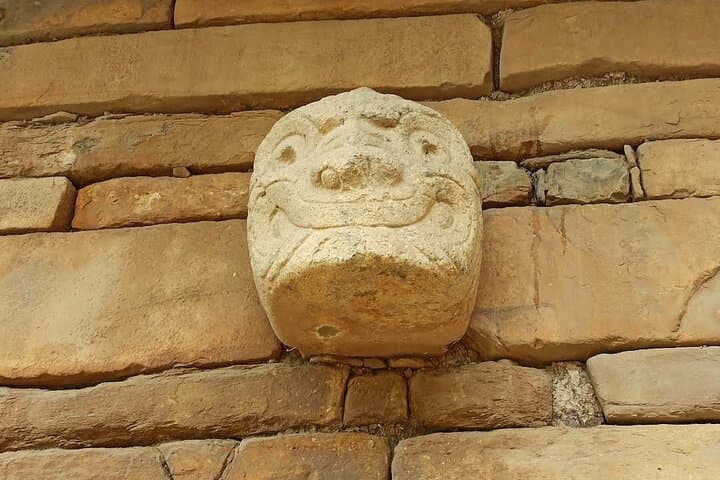
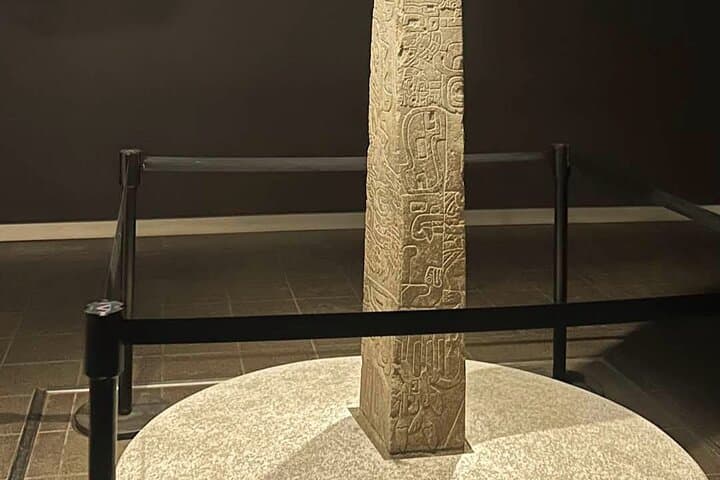
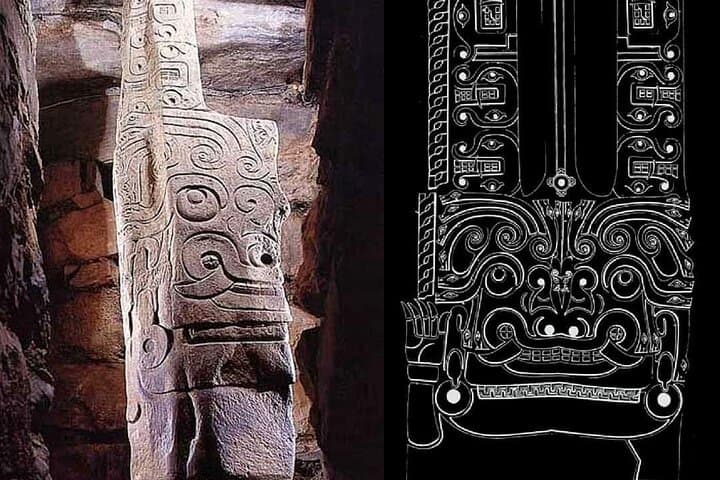
Chavín was a religious and political hub of pre-Inca northern Andes societies (roughly 900–200 BCE). Stone plazas, carved portals and the iconic Lanzón — a carved monolith within an intricate underground gallery — reveal a culture built around ritual sightlines and acoustic design. The surrounding geology is stark: folded sedimentary ridges, terraces scored by ancient irrigation, and fast, bright mountain streams that give the site a dynamic edge.
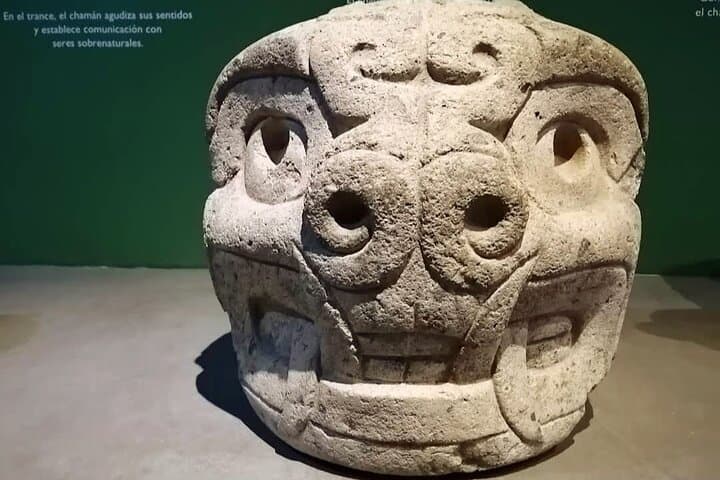
Local Quechua communities maintain craft traditions visible in nearby villages, and the National Museum on-site frames finds from ceramics to ritual shells.
Practical side: this is a full-day trip (about 8 hours) with hotel pickup in Huaraz, transport, guide, entrance and lunch included. Paths are compacted dirt with short stairways; expect brief, uneven walking and strong sun. Acclimatize in Huaraz for a day or two before touring, carry water, layered clothing and a sun hat, and move slowly if you feel altitude effects. Guides usually allow time at the museum and viewpoints over the valley — ideal spots to watch condors wheel or to photograph the Lanzón’s carved geometry.
moderate.
8 hours (full day).
Suitable for travelers in average fitness but expect short, uneven walks and effects of high altitude
This is an approximately 8-hour round-trip from Huaraz with hotel pickup, transport, entrance fees, a guide and lunch included.
Yes—Chavín sits around 3,180 m; spend a day in Huaraz to acclimatize, hydrate and avoid heavy exertion if you’re not acclimatized.
Paths are mostly compacted dirt with some stairs; visitors with severe mobility issues or spinal problems may find certain areas difficult.
Photography is allowed in most outdoor areas; the National Museum is typically included in the visit and showcases artifacts found at the site.
Chavín was a major ceremonial center in the Early Horizon of Andean prehistory; its architecture and iconography influenced later highland cultures.
Chavín is a UNESCO World Heritage Site—stay on marked paths, avoid touching fragile stone carvings and follow guide instructions to minimize impact.
Peru Expeditions Tours operates guided outdoor trips and adventures with an emphasis on safety, stewardship, and memorable experiences.
On the high road out of Huaraz the mountains take on a slow, silent motion: the bus climbs, the air thins, and Laguna Querococha appears like a silver page folded into the range. The route crests at the Cahuish tunnel and then drops into the Conchucos Valley, where Chavín de Huántar sits at 3,180 meters — a compact archaeological landscape carved into steep valley walls.
On the high road out of Huaraz the mountains take on a slow, silent motion: the bus climbs, the air thins, and Laguna Querococha appears like a silver page folded into the range. The route crests at the Cahuish tunnel and then drops into the Conchucos Valley, where Chavín de Huántar sits at 3,180 meters — a compact archaeological landscape carved into steep valley walls.
Chavín was a religious and political hub of pre-Inca northern Andes societies (roughly 900–200 BCE). Stone plazas, carved portals and the iconic Lanzón — a carved monolith within an intricate underground gallery — reveal a culture built around ritual sightlines and acoustic design. The surrounding geology is stark: folded sedimentary ridges, terraces scored by ancient irrigation, and fast, bright mountain streams that give the site a dynamic edge.
Local Quechua communities maintain craft traditions visible in nearby villages, and the National Museum on-site frames finds from ceramics to ritual shells.
Practical side: this is a full-day trip (about 8 hours) with hotel pickup in Huaraz, transport, guide, entrance and lunch included. Paths are compacted dirt with short stairways; expect brief, uneven walking and strong sun. Acclimatize in Huaraz for a day or two before touring, carry water, layered clothing and a sun hat, and move slowly if you feel altitude effects. Guides usually allow time at the museum and viewpoints over the valley — ideal spots to watch condors wheel or to photograph the Lanzón’s carved geometry.