THE ADVENTURE COLLECTIVE® · Independent discovery and booking for outdoor travel

Walk from the Bessie Smith Cultural Center through downtown Chattanooga’s music and memorial sites to the Walnut Street Bridge at your own pace. This hands-free, location-aware tour uses the WalknTours app and runs about 60–90 minutes.
Walk from the Bessie Smith Cultural Center through downtown Chattanooga’s music and memorial sites to the Walnut Street Bridge at your own pace. This hands-free, location-aware tour uses the WalknTours app and runs about 60–90 minutes.
Morning light slides across the Tennessee River as your footsteps set the tempo. Start outside the Bessie Smith Cultural Center — where the city’s blues legacy sits in plain view — and let the streets of downtown Chattanooga narrate the rest. The route moves through music-lined blocks, past the Old Stone Church tower, and across the pulse of Aquarium Plaza before finishing on the pedestrian sweep of the Walnut Street Bridge.
Verified experiences and guided adventures in the surrounding area.
Operated by WalknTours · Chattanooga, Tennessee
Morning light slides across the Tennessee River as your footsteps set the tempo. Start outside the Bessie Smith Cultural Center — where the city’s blues legacy sits in plain view — and let the streets of downtown Chattanooga narrate the rest. The route moves through music-lined blocks, past the Old Stone Church tower, and across the pulse of Aquarium Plaza before finishing on the pedestrian sweep of the Walnut Street Bridge.
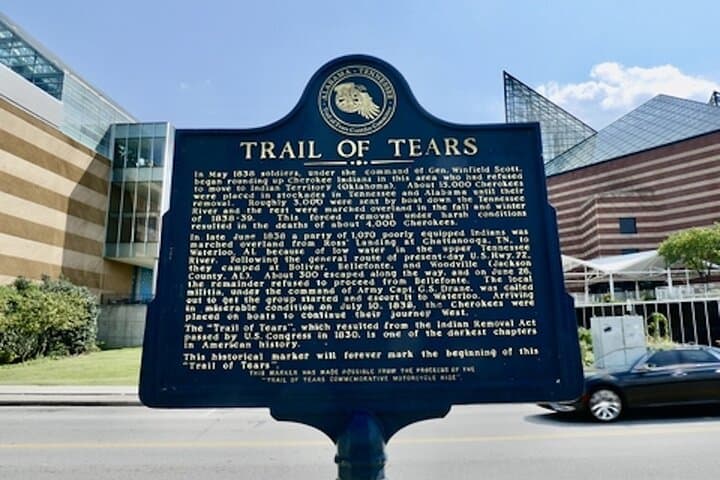
This stretch of riverfront has layered histories: Native trade routes gave way to Ross’s Landing, 19th-century industry left its mark in bottling plants and warehouses, and 20th-century music scenes shaped the city’s cultural map. Granite, brick, and reclaimed timber show the geology beneath the urban fabric; the river’s floodplain explains why downtown sits on a raised bluff and why bridges have long been civic projects.
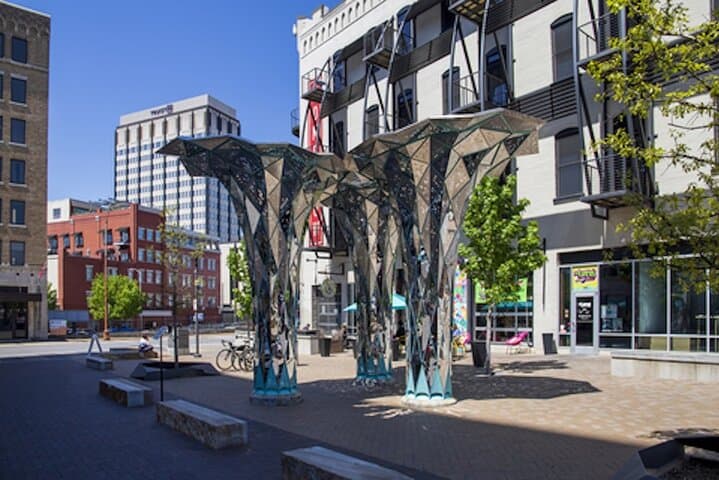
Expect broad, paved sidewalks, interpretive plaques, public art, and a few narrow alleys that reward a pause. The self-guided WalknTours app cues audio and location-aware narration, so you can keep your phone in your pocket and listen as you walk. The tour is wheelchair- and stroller-accessible and designed for all fitness levels. Peak times are late morning and golden hour; summer brings humidity, while spring and fall offer cleaner air and more comfortable walking.
Practical notes: bring a charged phone for the app, wear supportive shoes for uneven historic sidewalks, and allow 60–90 minutes with stops. Hydrate, move at your pace, and leave room to cross the Walnut Street Bridge for river views — the city’s past and present meet there, and the river dares you to look downstream.
easy.
1–1.5 hours.
Suitable for most fitness levels; mostly flat walking but expect frequent stops and short crowds
Plan 60–90 minutes depending on how often you stop; the app lists suggested durations for each stop.
The WalknTours app provides step-by-step audio and location cues so the tour is fully self-guided and hands-free.
Yes—sidewalks and main stops are wheelchair- and stroller-accessible, though some historic alleys may be narrower.
Yes—the tour never expires and can be taken at any time of day; just unlock it in the app with the provided code.
The tour traces African American musical heritage beginning at the Bessie Smith Cultural Center and follows Ross’s Landing, a 19th-century riverfront trading site central to Chattanooga’s growth.
Downtown riverfront work focuses on flood resilience and public access; keep to marked paths and pack out waste to protect river habitats.
WalknTours operates guided outdoor trips and adventures with an emphasis on safety, stewardship, and memorable experiences.


Morning light slides across the Tennessee River as your footsteps set the tempo. Start outside the Bessie Smith Cultural Center — where the city’s blues legacy sits in plain view — and let the streets of downtown Chattanooga narrate the rest. The route moves through music-lined blocks, past the Old Stone Church tower, and across the pulse of Aquarium Plaza before finishing on the pedestrian sweep of the Walnut Street Bridge.
Morning light slides across the Tennessee River as your footsteps set the tempo. Start outside the Bessie Smith Cultural Center — where the city’s blues legacy sits in plain view — and let the streets of downtown Chattanooga narrate the rest. The route moves through music-lined blocks, past the Old Stone Church tower, and across the pulse of Aquarium Plaza before finishing on the pedestrian sweep of the Walnut Street Bridge.
This stretch of riverfront has layered histories: Native trade routes gave way to Ross’s Landing, 19th-century industry left its mark in bottling plants and warehouses, and 20th-century music scenes shaped the city’s cultural map. Granite, brick, and reclaimed timber show the geology beneath the urban fabric; the river’s floodplain explains why downtown sits on a raised bluff and why bridges have long been civic projects.
Expect broad, paved sidewalks, interpretive plaques, public art, and a few narrow alleys that reward a pause. The self-guided WalknTours app cues audio and location-aware narration, so you can keep your phone in your pocket and listen as you walk. The tour is wheelchair- and stroller-accessible and designed for all fitness levels. Peak times are late morning and golden hour; summer brings humidity, while spring and fall offer cleaner air and more comfortable walking.
Practical notes: bring a charged phone for the app, wear supportive shoes for uneven historic sidewalks, and allow 60–90 minutes with stops. Hydrate, move at your pace, and leave room to cross the Walnut Street Bridge for river views — the city’s past and present meet there, and the river dares you to look downstream.