THE ADVENTURE COLLECTIVE® · Independent discovery and booking for outdoor travel

Taste the iconic reds and rare whites of Châteauneuf‑du‑Pape on a concise, vehicle-based 3-hour tour that visits two historic domaines. Small groups, expert hosts, and vineyard views make for a focused tasting experience.
Taste the iconic reds and rare whites of Châteauneuf‑du‑Pape on a concise, vehicle-based 3-hour tour that visits two historic domaines. Small groups, expert hosts, and vineyard views make for a focused tasting experience.
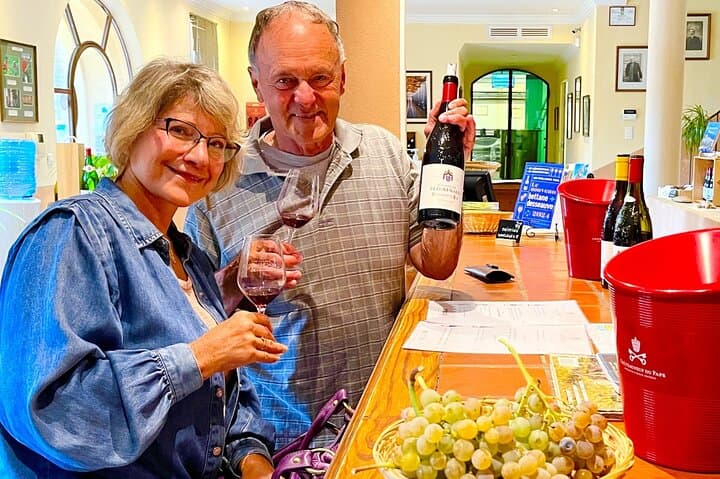
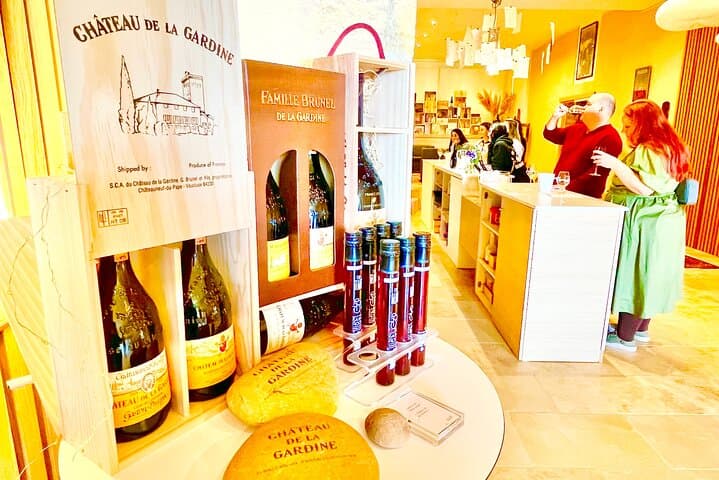
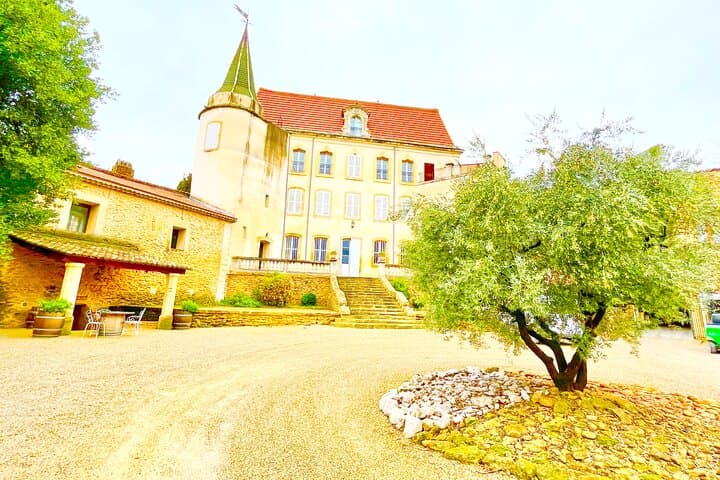
You arrive from Avignon along sun-baked roads and the vines open like a patchwork — low, gnarly Grenache vines sagging under late summer fruit, stone terraces catching the wind. The first cellar sits behind a 300-year-old façade; the air smells faintly of dust and fermenting must. A tasting table waits, and the wines—powerful reds, rare whites—have the presence of place: limestone grit, sun-warmed fruit and herbs that seem to have been harvested from the scrub between the rows.
Verified experiences and guided adventures in the surrounding area.
Operated by Ventourisme · Châteauneuf-du-Pape, Vaucluse
You arrive from Avignon along sun-baked roads and the vines open like a patchwork — low, gnarly Grenache vines sagging under late summer fruit, stone terraces catching the wind. The first cellar sits behind a 300-year-old façade; the air smells faintly of dust and fermenting must. A tasting table waits, and the wines—powerful reds, rare whites—have the presence of place: limestone grit, sun-warmed fruit and herbs that seem to have been harvested from the scrub between the rows.
Châteauneuf‑du‑Pape is the oldest French appellation (officially 1936) and the landscape still bears traces of its medieval past: the ruined Papal castle on a nearby hill and fields shaped by millennia of cultivation. Geologically, hardy vines cling to galets roulés—rounded quartzite stones that store heat by day and release it at night, helping grapes ripen in the hot southern Rhône sun. Culturally, families run many domaines and winemaking mixes traditional, multi‑varietal blends with selective modern techniques.
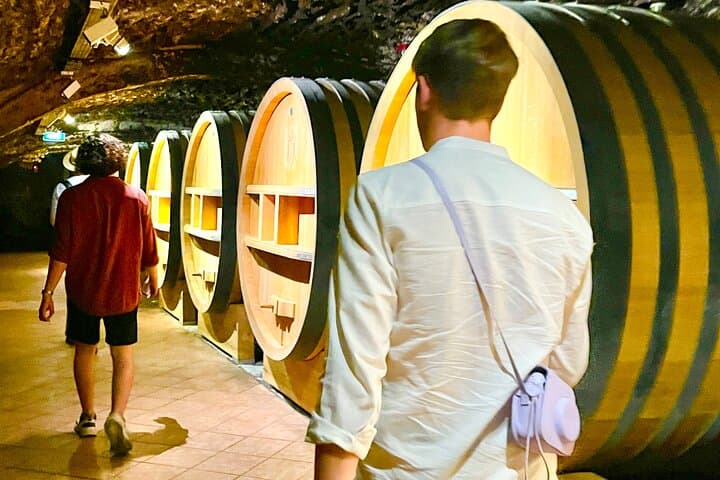
Practically, expect two estate visits within three hours, each tasting at least three wines. The tour is vehicle-based with short drives between properties; groups are small (around six). Bring ID for tasting, a camera, and modest footwear for gravel cellars. Hydrate before and between tastings—the wines are generous and the sun can be sharp.
Timing matters: morning visits are cooler and quieter; late afternoons produce long light over the vineyards. Respect cellar etiquette: don’t handle bottles unless invited, and ask questions—the vintners enjoy explaining how soil, variety and sun shape each cuvée.
easy.
2–3 hours (tour time; add ~1 hour travel).
Suitable for most fitness levels; requires short walks on gravel and standing during tastings
Yes—wine tastings are restricted to those 18 and over in France; you must present valid ID.
The tour includes transport in an air‑conditioned vehicle; travel time adds about 30 minutes each way depending on traffic.
Many historic estates have uneven surfaces and steps; accessibility varies—contact the operator in advance to confirm specifics.
Full refunds are available if you cancel at least 24 hours before departure; same‑day cancellations are non‑refundable.
Châteauneuf‑du‑Pape was established as France’s first protected appellation in 1936 and the area’s viticulture dates back to Roman and medieval papal influence centered on the nearby Avignon popes.
Many domaines practice sustainable viticulture to conserve soil and manage water; visitors should stick to paths and avoid trampling vines or leaving waste.
Ventourisme operates guided outdoor trips and adventures with an emphasis on safety, stewardship, and memorable experiences.
You arrive from Avignon along sun-baked roads and the vines open like a patchwork — low, gnarly Grenache vines sagging under late summer fruit, stone terraces catching the wind. The first cellar sits behind a 300-year-old façade; the air smells faintly of dust and fermenting must. A tasting table waits, and the wines—powerful reds, rare whites—have the presence of place: limestone grit, sun-warmed fruit and herbs that seem to have been harvested from the scrub between the rows.
You arrive from Avignon along sun-baked roads and the vines open like a patchwork — low, gnarly Grenache vines sagging under late summer fruit, stone terraces catching the wind. The first cellar sits behind a 300-year-old façade; the air smells faintly of dust and fermenting must. A tasting table waits, and the wines—powerful reds, rare whites—have the presence of place: limestone grit, sun-warmed fruit and herbs that seem to have been harvested from the scrub between the rows.
Châteauneuf‑du‑Pape is the oldest French appellation (officially 1936) and the landscape still bears traces of its medieval past: the ruined Papal castle on a nearby hill and fields shaped by millennia of cultivation. Geologically, hardy vines cling to galets roulés—rounded quartzite stones that store heat by day and release it at night, helping grapes ripen in the hot southern Rhône sun. Culturally, families run many domaines and winemaking mixes traditional, multi‑varietal blends with selective modern techniques.
Practically, expect two estate visits within three hours, each tasting at least three wines. The tour is vehicle-based with short drives between properties; groups are small (around six). Bring ID for tasting, a camera, and modest footwear for gravel cellars. Hydrate before and between tastings—the wines are generous and the sun can be sharp.
Timing matters: morning visits are cooler and quieter; late afternoons produce long light over the vineyards. Respect cellar etiquette: don’t handle bottles unless invited, and ask questions—the vintners enjoy explaining how soil, variety and sun shape each cuvée.