THE ADVENTURE COLLECTIVE® · Independent discovery and booking for outdoor travel

A full-day, off-the-beaten-path tour that links Mantayupan, Binalayan and Dao Falls—short hikes, cool plunge pools, and village stops south of Cebu City. Expect a long day, muddy trails, and remarkable swimming holes away from the busiest tourist sites.
A full-day, off-the-beaten-path tour that links Mantayupan, Binalayan and Dao Falls—short hikes, cool plunge pools, and village stops south of Cebu City. Expect a long day, muddy trails, and remarkable swimming holes away from the busiest tourist sites.
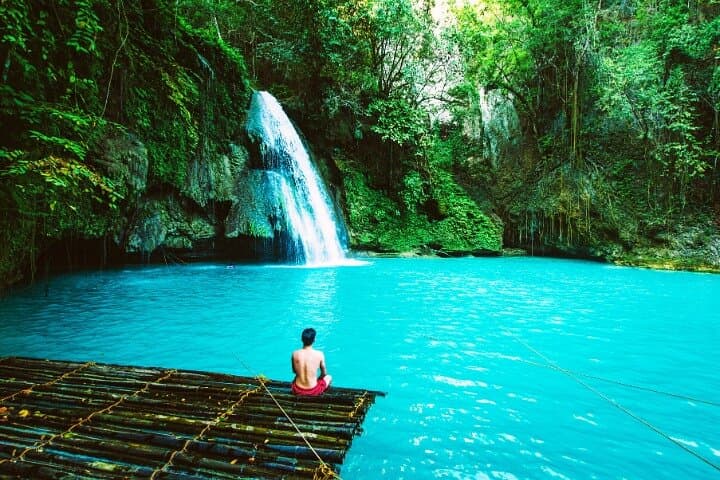
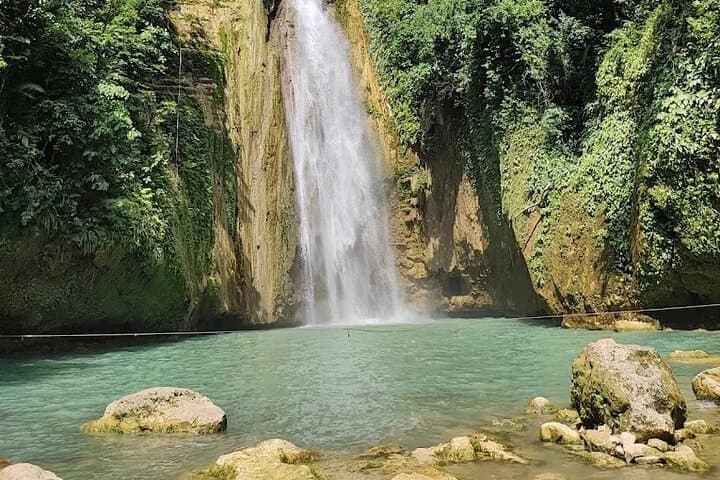
You step out of the van before dawn and the humid air already smells like soil and wet leaves. The road shrinks to a ribbon of pavement between sugarcane fields and low limestone ridges; distant thunder promises afternoon rain. By mid-morning you’re wading into a cool pool beneath a curtain of water—Mantayupan’s drop roaring above you, spray cutting sunbeams into silver threads.
Verified experiences and guided adventures in the surrounding area.
Operated by Blu Range Cebu Tours by CyHan Travel & Tours · Cebu City, Cebu
You step out of the van before dawn and the humid air already smells like soil and wet leaves. The road shrinks to a ribbon of pavement between sugarcane fields and low limestone ridges; distant thunder promises afternoon rain. By mid-morning you’re wading into a cool pool beneath a curtain of water—Mantayupan’s drop roaring above you, spray cutting sunbeams into silver threads.
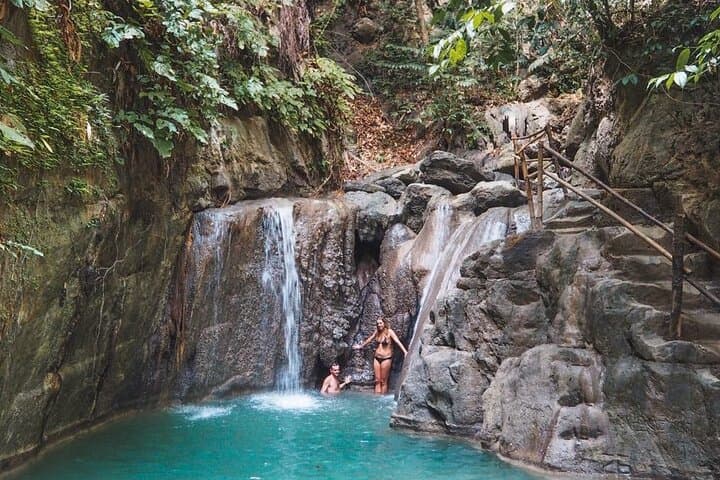
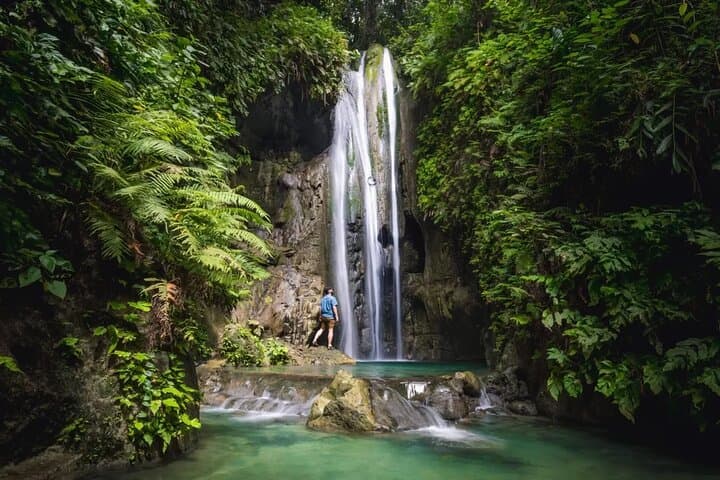
This is not a single waterfall; it’s a day of crossings and climbs that stitches together three different geologies and local cultures. Mantayupan Falls, the tallest on the route, carves through Miocene limestone and feeds a deep plunge pool that villagers have used for generations. Binalayan and Dao Falls are smaller but more intimate—stepped cascades and narrow gorges where moss grips every rock and light filters like green glass.
Cebu’s waterfalls are shaped by the island’s volcanic and carbonate history. Rain funnels off interior plateaus through soil and lava-formed channels, then meets limestone escarpments and drops. The result is concentrated power: short but dramatic waterfalls, river pools dug into bedrock, and passages where water has sanded smooth the rock underfoot.
Culture threads through the day. You pass barangay chapels, roadside stalls selling grilled fish and boiled corn, and rice terraces where farmers still tend small plots. Local guides tie stories to place—the old footpaths, the seasonal harvests, the entrance fees that now support trail maintenance and anti-litter campaigns.
Practical side: this is a long, private tour—expect a 12–14 hour day including transfers from Cebu City and Mactan Island. Trails are muddy after rain and require steady footing over roots and wet rock; a moderate level of fitness and confident balance matter more than climbing experience. Bring swim shoes, a dry bag, and enough water to stay hydrated between stops. Clothes that dry quickly and a lightweight rain layer will save you from early-afternoon showers.
Timing is everything: start early to beat the midday heat and the return-traffic out of the southern towns. Respect local rules—no soap in the pools and pack out all trash. Guides provide snorkeling gear for coastal stops and manage permits and local payments, but tipping and small purchases at village stalls directly help the communities you pass.
By dusk the van hums back toward the city and the day compresses into a string of vivid images: a thunderhead over a limestone wall, a child standing on a slippery rock, and the steady pull of the water that keeps calling you downstream. It’s a full, tangible day of Cebu’s wild side—sweaty, wet, easily memorable, and entirely doable with the right preparation.
moderate.
12–14 hours.
Should be in good enough shape for multiple short hikes, scrambling over wet rock, and standing in pools; not suitable for those with serious cardiovascular issues.
Yes—private round-trip transportation from Cebu City and many Mactan hotels is included; note extra charges may apply for distant pickup points.
Entrance fees and local taxes are typically included in the tour price, and the guide handles payments for community sites.
Yes—most stops have safe plunge pools, but your guide will advise where it’s safe to swim and point out stronger currents or deep sections.
Not recommended for pregnant travelers and caution advised for young children due to slippery terrain and powerful water flows.
Have a hearty breakfast—you’ll be active for many hours and village food stops are available, but bring snacks and electrolytes for energy between sites.
The tour may be canceled for heavy rain or unsafe conditions; check cancellation policy—full refund if canceled 24 hours in advance per operator terms.
Many of Cebu’s waterfalls sit where volcanic soils meet limestone escarpments—these junctions shaped local settlement and farming patterns during Spanish-era and pre-colonial times.
Local entrance fees support trail upkeep; avoid soaps and single-use plastics, and follow guides to minimize erosion and disturbance to sensitive pools.
Blu Range Cebu Tours by CyHan Travel & Tours operates guided outdoor trips and adventures with an emphasis on safety, stewardship, and memorable experiences.
You step out of the van before dawn and the humid air already smells like soil and wet leaves. The road shrinks to a ribbon of pavement between sugarcane fields and low limestone ridges; distant thunder promises afternoon rain. By mid-morning you’re wading into a cool pool beneath a curtain of water—Mantayupan’s drop roaring above you, spray cutting sunbeams into silver threads.
You step out of the van before dawn and the humid air already smells like soil and wet leaves. The road shrinks to a ribbon of pavement between sugarcane fields and low limestone ridges; distant thunder promises afternoon rain. By mid-morning you’re wading into a cool pool beneath a curtain of water—Mantayupan’s drop roaring above you, spray cutting sunbeams into silver threads.
This is not a single waterfall; it’s a day of crossings and climbs that stitches together three different geologies and local cultures. Mantayupan Falls, the tallest on the route, carves through Miocene limestone and feeds a deep plunge pool that villagers have used for generations. Binalayan and Dao Falls are smaller but more intimate—stepped cascades and narrow gorges where moss grips every rock and light filters like green glass.
Cebu’s waterfalls are shaped by the island’s volcanic and carbonate history. Rain funnels off interior plateaus through soil and lava-formed channels, then meets limestone escarpments and drops. The result is concentrated power: short but dramatic waterfalls, river pools dug into bedrock, and passages where water has sanded smooth the rock underfoot.
Culture threads through the day. You pass barangay chapels, roadside stalls selling grilled fish and boiled corn, and rice terraces where farmers still tend small plots. Local guides tie stories to place—the old footpaths, the seasonal harvests, the entrance fees that now support trail maintenance and anti-litter campaigns.
Practical side: this is a long, private tour—expect a 12–14 hour day including transfers from Cebu City and Mactan Island. Trails are muddy after rain and require steady footing over roots and wet rock; a moderate level of fitness and confident balance matter more than climbing experience. Bring swim shoes, a dry bag, and enough water to stay hydrated between stops. Clothes that dry quickly and a lightweight rain layer will save you from early-afternoon showers.
Timing is everything: start early to beat the midday heat and the return-traffic out of the southern towns. Respect local rules—no soap in the pools and pack out all trash. Guides provide snorkeling gear for coastal stops and manage permits and local payments, but tipping and small purchases at village stalls directly help the communities you pass.
By dusk the van hums back toward the city and the day compresses into a string of vivid images: a thunderhead over a limestone wall, a child standing on a slippery rock, and the steady pull of the water that keeps calling you downstream. It’s a full, tangible day of Cebu’s wild side—sweaty, wet, easily memorable, and entirely doable with the right preparation.