THE ADVENTURE COLLECTIVE® · Independent discovery and booking for outdoor travel

Catch Kolkata at first light on this four‑hour walking and transit tour from Victoria Memorial through flower markets, North Kolkata paras, Chinatown and a reflective stop at Mother Teresa’s house. Start early for cooler air, best light and a truer sense of daily city life.
Catch Kolkata at first light on this four‑hour walking and transit tour from Victoria Memorial through flower markets, North Kolkata paras, Chinatown and a reflective stop at Mother Teresa’s house. Start early for cooler air, best light and a truer sense of daily city life.
Before the city fully wakes, the marble face of the Victoria Memorial takes on a soft, amber edge as joggers thread through the Maidan. The Hooghly River dares you to follow its current—ferries and vendors already shaping the day—while the silhouette of Howrah Bridge presides over a flower market that seems to shout its colors into the air.
Verified experiences and guided adventures in the surrounding area.
Operated by Get Local · Kolkata, West Bengal
Before the city fully wakes, the marble face of the Victoria Memorial takes on a soft, amber edge as joggers thread through the Maidan. The Hooghly River dares you to follow its current—ferries and vendors already shaping the day—while the silhouette of Howrah Bridge presides over a flower market that seems to shout its colors into the air.
Kolkata's streets are pages of history: a former British capital with Victorian architecture, sprawling ghats, and lanes that grew from 18th‑century trade. Geologically the city sits on the Ganges delta's alluvial plain, flat and braided by waterways; the river and seasonal rains have always steered how neighborhoods form and bustle. Cultural pockets—North Kolkata paras, India’s oldest Chinatown, and spice bazaars—hold rituals unchanged for generations. Expect to see an akhara (wrestling ring), century‑old eateries serving breakfast recipes passed down through families, and a quiet stop at Mother Teresa’s house for reflection.
Practically, this is an easy, urban walking tour using local buses and tuk‑tuks to give an authentic feel. Streets are lively and narrow; traffic and crowds are constant. Start at dawn to catch cooler air and prime light for photography, carry small change for public transport, and wear closed, comfortable shoes for uneven pavements. Bring water and be ready to move at the city's brisk, human tempo—markets push forward, vendors call, and the city yields rewards to those who walk with curiosity and respect.
easy.
4 hours.
Suitable for most fitness levels: expect 3–4 miles of walking at a relaxed urban pace with short rides on public transport.
Yes—it's rated easy and uses public transport, but expect some walking and crowded areas; inform the operator of mobility needs in advance.
Breakfast includes traditional options and can accommodate vegetarian needs; always notify about allergies or special diets when booking.
This experience focuses on street markets and neighborhood visits—entrance fees are generally not required; special sites visited are free to view.
Carry small bills and coins for transport and market purchases (INR 500–1000 suggested), with a card or ATM backup for larger needs.
Kolkata served as the British Indian capital until 1911; Victoria Memorial (built 1906–1921) anchors many colonial-era stories and architecture on this route.
The tour encourages low-impact travel—use refillable bottles, avoid single-use plastics, and support local vendors to sustain neighborhood economies.
Get Local operates guided outdoor trips and adventures with an emphasis on safety, stewardship, and memorable experiences.
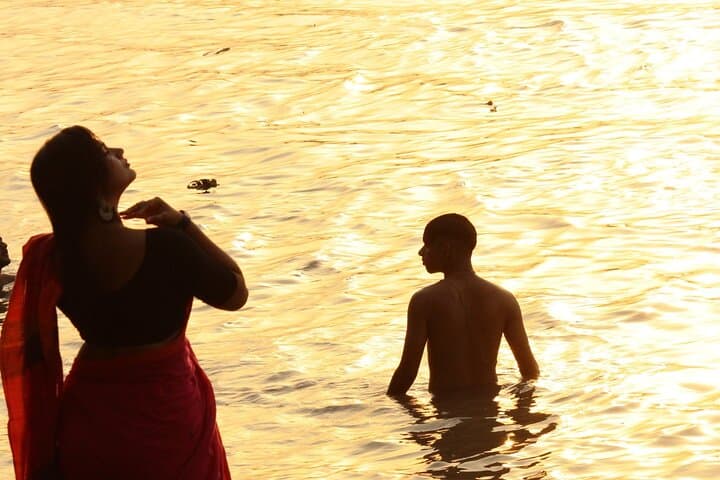
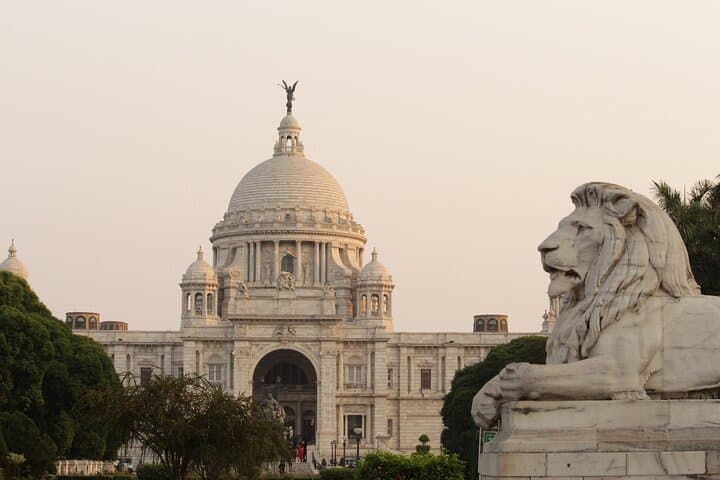
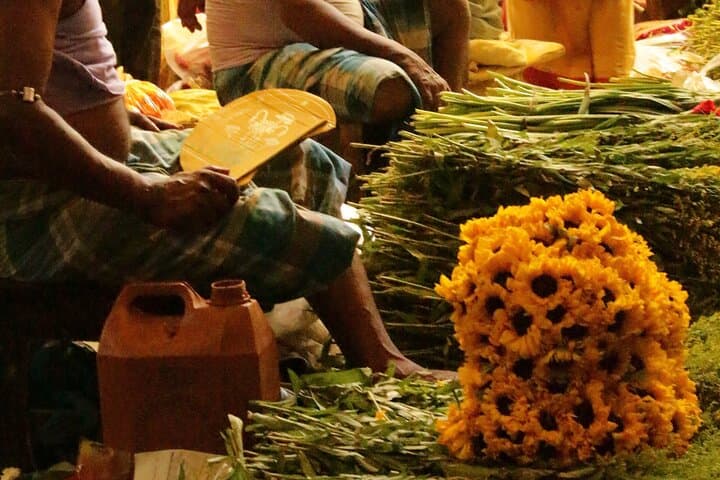
Before the city fully wakes, the marble face of the Victoria Memorial takes on a soft, amber edge as joggers thread through the Maidan. The Hooghly River dares you to follow its current—ferries and vendors already shaping the day—while the silhouette of Howrah Bridge presides over a flower market that seems to shout its colors into the air.
Before the city fully wakes, the marble face of the Victoria Memorial takes on a soft, amber edge as joggers thread through the Maidan. The Hooghly River dares you to follow its current—ferries and vendors already shaping the day—while the silhouette of Howrah Bridge presides over a flower market that seems to shout its colors into the air.
Kolkata's streets are pages of history: a former British capital with Victorian architecture, sprawling ghats, and lanes that grew from 18th‑century trade. Geologically the city sits on the Ganges delta's alluvial plain, flat and braided by waterways; the river and seasonal rains have always steered how neighborhoods form and bustle. Cultural pockets—North Kolkata paras, India’s oldest Chinatown, and spice bazaars—hold rituals unchanged for generations. Expect to see an akhara (wrestling ring), century‑old eateries serving breakfast recipes passed down through families, and a quiet stop at Mother Teresa’s house for reflection.
Practically, this is an easy, urban walking tour using local buses and tuk‑tuks to give an authentic feel. Streets are lively and narrow; traffic and crowds are constant. Start at dawn to catch cooler air and prime light for photography, carry small change for public transport, and wear closed, comfortable shoes for uneven pavements. Bring water and be ready to move at the city's brisk, human tempo—markets push forward, vendors call, and the city yields rewards to those who walk with curiosity and respect.