THE ADVENTURE COLLECTIVE® · Independent discovery and booking for outdoor travel

Head out from Henningsvær in a small, premium van to chase auroral displays across dark Lofoten skies. This 4–5 hour guided tour combines local folklore, photography coaching, and flexible routing based on live forecasts to maximize viewing chances.
Head out from Henningsvær in a small, premium van to chase auroral displays across dark Lofoten skies. This 4–5 hour guided tour combines local folklore, photography coaching, and flexible routing based on live forecasts to maximize viewing chances.
The van eases out of Henningsvær and the village lights shrink behind you, the panoramic roof becoming a dark frame for the sky. In Lofoten the aurora rarely waits where you expect it; guides read forecasts and clouds like trail markers, steering a small group to a shoreline or high point where the night can open.
Verified experiences and guided adventures in the surrounding area.
Operated by RAW Lofoten · Henningsvær, Nordland
The van eases out of Henningsvær and the village lights shrink behind you, the panoramic roof becoming a dark frame for the sky. In Lofoten the aurora rarely waits where you expect it; guides read forecasts and clouds like trail markers, steering a small group to a shoreline or high point where the night can open.
Lofoten is carved by glaciers and pummeled by the sea—the steep granite ribs and narrow fjords focus weather and feed rich cod fisheries that shaped local culture for centuries. The islands sit above the Arctic Circle but are tempered by the Gulf Stream, so the landscape often looks dramatic and accessible rather than forbidding. Folklore about the northern lights shares bench space with modern meteorology here: stories of spirits and rams sit beside Kp-index charts and phone apps.
This tour is a chase rather than a fixed walk: expect 4–5 hours in a Mercedes V‑Class with up to seven guests, hot drinks, blankets, and focused photo help from the guide. The route changes with cloud cover and aurora forecasts; stops are chosen for dark skies and clear horizons rather than elevation gain—most viewing happens near sea level on quiet coastal roads or cleared pullouts.
Practical edge: dress for Arctic nights in layers, bring a charged camera battery and tripod, and plan for late starts—peak activity often falls between 21:00 and 02:00. Roads can be icy; the guide manages driving but wear warm, grippy boots for brief exits. If the sky clears, the aurora can take over the night—daring you to watch, to photograph, and to keep warm while it moves.
easy.
4–5 hours.
Suitable for most fitness levels; primarily a seated van tour with short on/off stops requiring minimal walking
Guides use real-time forecasts and flexible routing to improve odds, but sightings depend on solar activity and cloud cover; this tour maximizes chances but cannot guarantee displays.
Tours are evening departures and last about 4–5 hours, often operating between 20:00 and 02:00 when aurora activity and darkness align.
Yes—this tour is suitable for all fitness levels; children and older travelers should dress warmly and be able to step briefly out of the van for viewing.
No—guides provide photo guidance for all skill levels, from smartphone tips to manual camera settings for long exposures.
Lofoten’s economy has been shaped by cod fisheries and the stockfish trade for over a thousand years; many villages grew around seasonal drying racks and sheltered harbors.
Respect dark-sky practices—avoid unnecessary lights during viewing; stick to the guide’s chosen locations to limit disturbance and erosion at fragile coastal sites.
RAW Lofoten operates guided outdoor trips and adventures with an emphasis on safety, stewardship, and memorable experiences.
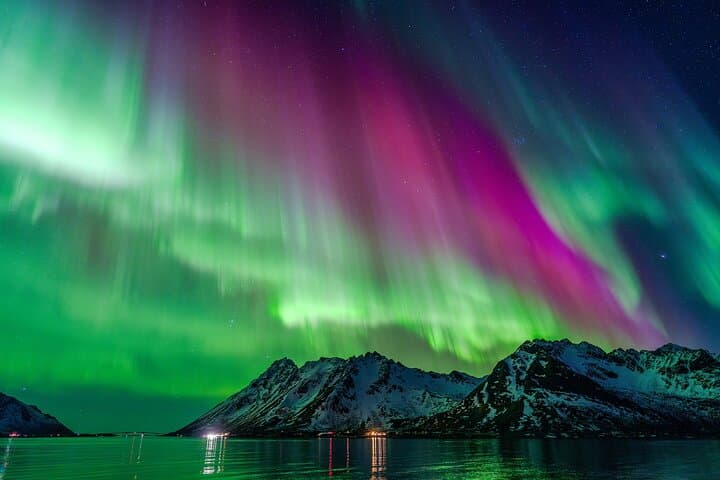
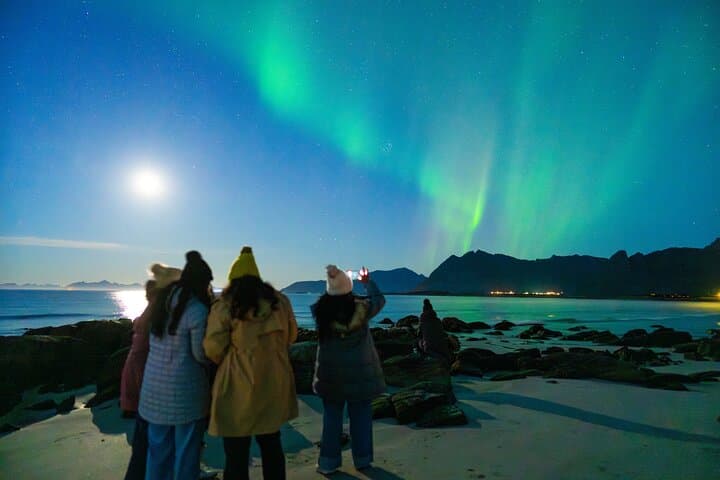
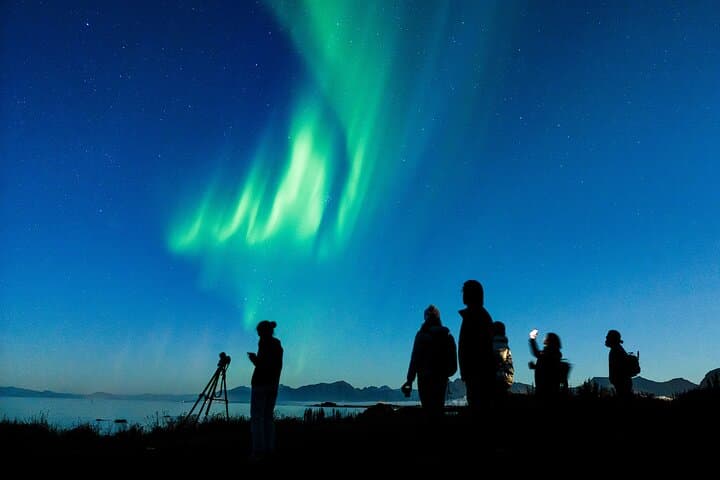
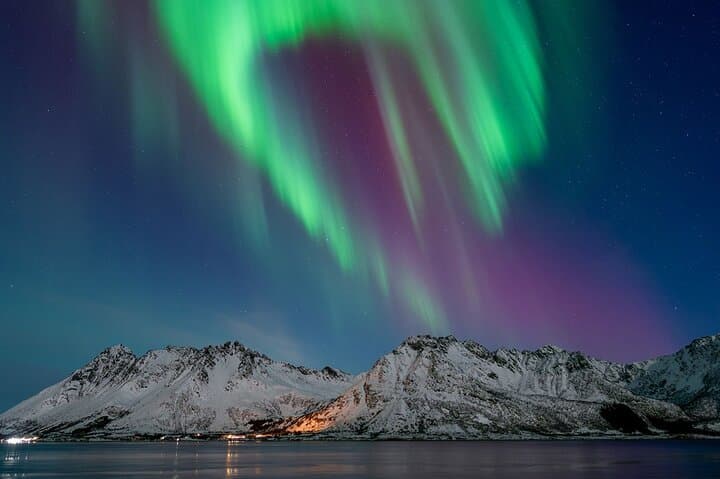
The van eases out of Henningsvær and the village lights shrink behind you, the panoramic roof becoming a dark frame for the sky. In Lofoten the aurora rarely waits where you expect it; guides read forecasts and clouds like trail markers, steering a small group to a shoreline or high point where the night can open.
The van eases out of Henningsvær and the village lights shrink behind you, the panoramic roof becoming a dark frame for the sky. In Lofoten the aurora rarely waits where you expect it; guides read forecasts and clouds like trail markers, steering a small group to a shoreline or high point where the night can open.
Lofoten is carved by glaciers and pummeled by the sea—the steep granite ribs and narrow fjords focus weather and feed rich cod fisheries that shaped local culture for centuries. The islands sit above the Arctic Circle but are tempered by the Gulf Stream, so the landscape often looks dramatic and accessible rather than forbidding. Folklore about the northern lights shares bench space with modern meteorology here: stories of spirits and rams sit beside Kp-index charts and phone apps.
This tour is a chase rather than a fixed walk: expect 4–5 hours in a Mercedes V‑Class with up to seven guests, hot drinks, blankets, and focused photo help from the guide. The route changes with cloud cover and aurora forecasts; stops are chosen for dark skies and clear horizons rather than elevation gain—most viewing happens near sea level on quiet coastal roads or cleared pullouts.
Practical edge: dress for Arctic nights in layers, bring a charged camera battery and tripod, and plan for late starts—peak activity often falls between 21:00 and 02:00. Roads can be icy; the guide manages driving but wear warm, grippy boots for brief exits. If the sky clears, the aurora can take over the night—daring you to watch, to photograph, and to keep warm while it moves.