THE ADVENTURE COLLECTIVE® · Independent discovery and booking for outdoor travel

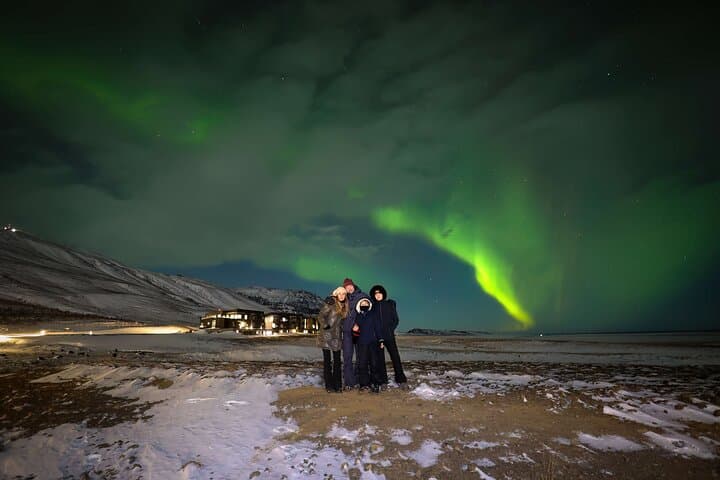
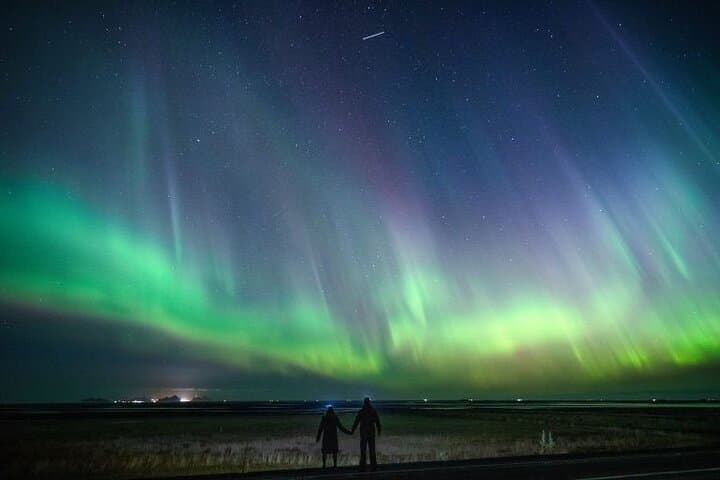
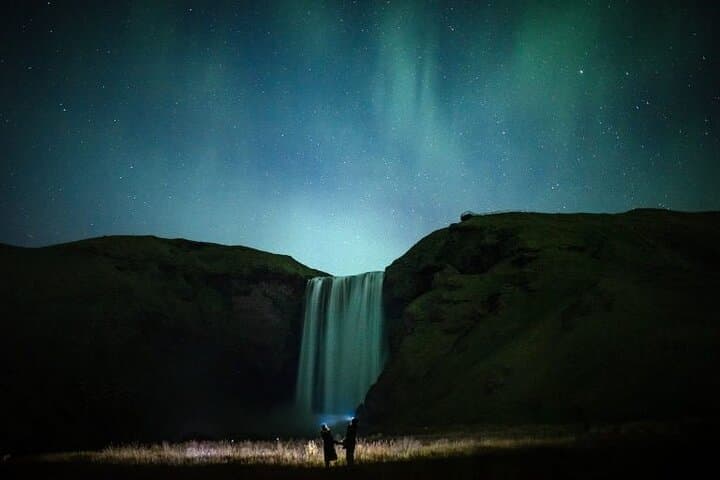
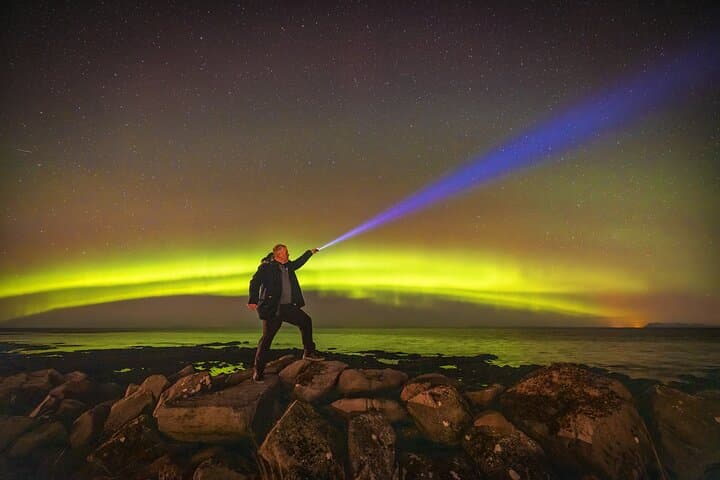
Head out from Reykjavík in a small group for a guided aurora hunt led by a certified driver-photographer. This four-hour tour targets clear skies along the Reykjanes, South Coast, or Snæfellsnes to capture long-exposure portraits beneath the Northern Lights.
Head out from Reykjavík in a small group for a guided aurora hunt led by a certified driver-photographer. This four-hour tour targets clear skies along the Reykjanes, South Coast, or Snæfellsnes to capture long-exposure portraits beneath the Northern Lights.
A cold wind off the Atlantic tugs at your hood as the van eases away from Reykjavík’s sodium-lit streets. In the dark beyond the city, black lava fields and distant glaciers flatten the horizon, and the guide—also the photographer—scans the sky for breaks in the clouds.
Verified experiences and guided adventures in the surrounding area.
Operated by Ice Pic Journeys · Reykjavík, Capital Region
A cold wind off the Atlantic tugs at your hood as the van eases away from Reykjavík’s sodium-lit streets. In the dark beyond the city, black lava fields and distant glaciers flatten the horizon, and the guide—also the photographer—scans the sky for breaks in the clouds.
This four-hour aurora hunt moves with the weather: routes can include the Reykjanes Peninsula, the South Coast, or Snæfellsnes, regions shaped by recent volcanism and glacial sculpting. The aurora itself is the visible end of solar storms, an electromagnetic call-and-response that Icelanders have watched for centuries; folklore once read the lights as omens and messages from the beyond, while modern visitors read them in geomagnetic indices and cloud cover.
Culturally, the drive-out is social: locals and visitors trade hot drink thermoses and camera tips. Geologically, you’ll cross basalt fields and coastal plains where lava meets sea—land that still rearranges itself under Iceland’s ridge.
Practically, the guide handles logistics and photography—setting camera exposures and framing portraits beneath shifting curtains of green and pink—so guests can focus on the moment. Small groups (max six) mean faster stops and more individualized instruction. Expect short walks on uneven, sometimes icy ground; dress in insulating layers, waterproof outerwear, and sturdy boots. Bring a charged phone and, if you shoot, a camera that allows long exposures and a tripod.
Because aurora visibility depends on clear skies and solar activity, sightings aren’t guaranteed; the operator still shoots night portraits regardless. Photos are edited and delivered after the tour, leaving you with technical images of a wild sky and a practical memory to share.
easy.
4 hours.
Minimal walking on uneven or icy ground; suitable for most fitness levels
No—aurora visibility depends on solar activity and clear skies; the operator moves to darker locations to maximize chances but cannot guarantee sightings.
Yes—each person receives a two-shot photo package; edited images are typically delivered about 14 days after the tour.
Yes—pickup and drop-off are included; the operator will confirm pickup details during booking.
Yes—infants and small children can ride in a pram or stroller, but expect late-night schedules and cold conditions.
The coastline you may visit is forged by volcanic rifting along the Mid-Atlantic Ridge and has been central to settlement and fishing communities since the Settlement Age.
Keep to roads and designated pullouts to avoid fragile moss and lichens; light pollution management is key—minimize flash and vehicle lights to protect night viewing.
Ice Pic Journeys operates guided outdoor trips and adventures with an emphasis on safety, stewardship, and memorable experiences.
A cold wind off the Atlantic tugs at your hood as the van eases away from Reykjavík’s sodium-lit streets. In the dark beyond the city, black lava fields and distant glaciers flatten the horizon, and the guide—also the photographer—scans the sky for breaks in the clouds.
A cold wind off the Atlantic tugs at your hood as the van eases away from Reykjavík’s sodium-lit streets. In the dark beyond the city, black lava fields and distant glaciers flatten the horizon, and the guide—also the photographer—scans the sky for breaks in the clouds.
This four-hour aurora hunt moves with the weather: routes can include the Reykjanes Peninsula, the South Coast, or Snæfellsnes, regions shaped by recent volcanism and glacial sculpting. The aurora itself is the visible end of solar storms, an electromagnetic call-and-response that Icelanders have watched for centuries; folklore once read the lights as omens and messages from the beyond, while modern visitors read them in geomagnetic indices and cloud cover.
Culturally, the drive-out is social: locals and visitors trade hot drink thermoses and camera tips. Geologically, you’ll cross basalt fields and coastal plains where lava meets sea—land that still rearranges itself under Iceland’s ridge.
Practically, the guide handles logistics and photography—setting camera exposures and framing portraits beneath shifting curtains of green and pink—so guests can focus on the moment. Small groups (max six) mean faster stops and more individualized instruction. Expect short walks on uneven, sometimes icy ground; dress in insulating layers, waterproof outerwear, and sturdy boots. Bring a charged phone and, if you shoot, a camera that allows long exposures and a tripod.
Because aurora visibility depends on clear skies and solar activity, sightings aren’t guaranteed; the operator still shoots night portraits regardless. Photos are edited and delivered after the tour, leaving you with technical images of a wild sky and a practical memory to share.