THE ADVENTURE COLLECTIVE® · Independent discovery and booking for outdoor travel

Follow rolling herds, river crossings and crater-edge views on an eight-day safari from Arusha. This practical guide outlines what to expect—wildlife patterns, cultural stops in Mto wa Mbu and advice for camping, health and timing.
Follow rolling herds, river crossings and crater-edge views on an eight-day safari from Arusha. This practical guide outlines what to expect—wildlife patterns, cultural stops in Mto wa Mbu and advice for camping, health and timing.
Dawn pulls a pale line across the Mara River and the plains answer with a rolling thunder of hooves—wildebeest and zebra moving as one, the migration pushing forward like a living tide. On this eight-day circuit from Arusha you track that tide: river crossings in the northern Serengeti, the crater rim’s wide bowl, baobab-dotted Tarangire and the saline shimmer of Lake Manyara.
Verified experiences and guided adventures in the surrounding area.
Operated by Ifude tours and Safaris Tanzania · Arusha, Arusha Region
Dawn pulls a pale line across the Mara River and the plains answer with a rolling thunder of hooves—wildebeest and zebra moving as one, the migration pushing forward like a living tide. On this eight-day circuit from Arusha you track that tide: river crossings in the northern Serengeti, the crater rim’s wide bowl, baobab-dotted Tarangire and the saline shimmer of Lake Manyara.
The route reads like East African natural history. “Serengeti” comes from the Maasai siringeti — endless plains — and the Ngorongoro Crater is a volcanic caldera whose 600m walls contain a self-sustaining ecosystem across a 19km floor. Geology and climate choreograph the migration each year; seasonal rains drive grass growth and the herds follow. Cultural notes come in roadside markets and Mto wa Mbu village, where visitors can sample local cuisine and see everyday life across many Tanzanian tribes.
Practically: expect long but gentle vehicle days on unpaved tracks, early-morning and late-afternoon game drives, and nights in tented lodges or camps. Guides time drives to wildlife activity; wear breathable layers for cool mornings that warm quickly, and carry binoculars and a sturdy daypack. Health-wise, malaria prophylaxis, routine vaccinations and travel insurance are advised. Respect vehicle-window rules, keep distance from wildlife, and support community-run enterprises when visiting villages. With preparation the trip balances close wildlife encounters and quiet moments on the rim—an immersive eight-day safari that’s as much about timing and terrain as it is about spectacle.
moderate.
8 days.
Suitable for travelers comfortable with long vehicle days and short guided walks; no strenuous hiking required.
June–October is the most reliable window for northern Serengeti and Mara River crossings; January–March is calving season in the southern plains, offering different viewing opportunities.
Yes—malaria prophylaxis is recommended and some travelers require Yellow Fever proof; consult a travel clinic 6–8 weeks before travel for current advice.
Night lodging typically ranges from mid-range tented camps to seasonal wilderness camps with basic en-suite facilities; expect fewer comforts in mobile camps but close proximity to wildlife.
Game viewing is mainly by 4x4 vehicle; optional short hikes and village walks are low-impact (1–3 hours) and suitable for most fitness levels.
The Serengeti ecosystem has supported migratory patterns for millennia; Ngorongoro Crater formed from a collapsed volcano roughly two million years ago.
Parks rely on entrance fees and responsible tourism; stay on designated roads, avoid feeding animals, and choose operators that support local conservation and community projects.
Ifude tours and Safaris Tanzania operates guided outdoor trips and adventures with an emphasis on safety, stewardship, and memorable experiences.
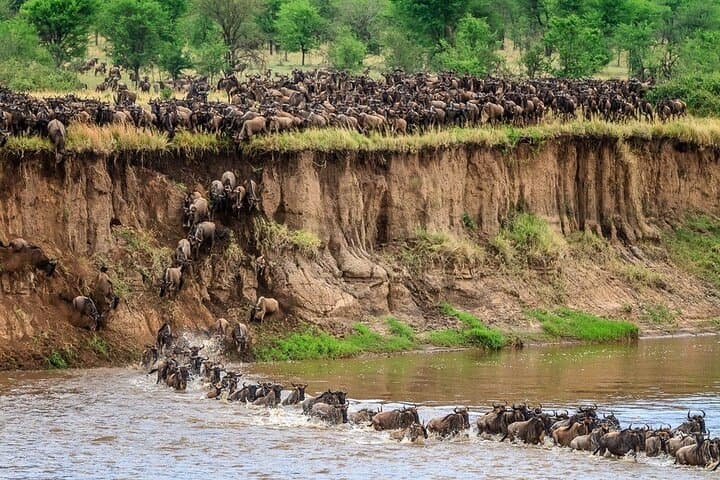
Dawn pulls a pale line across the Mara River and the plains answer with a rolling thunder of hooves—wildebeest and zebra moving as one, the migration pushing forward like a living tide. On this eight-day circuit from Arusha you track that tide: river crossings in the northern Serengeti, the crater rim’s wide bowl, baobab-dotted Tarangire and the saline shimmer of Lake Manyara.
Dawn pulls a pale line across the Mara River and the plains answer with a rolling thunder of hooves—wildebeest and zebra moving as one, the migration pushing forward like a living tide. On this eight-day circuit from Arusha you track that tide: river crossings in the northern Serengeti, the crater rim’s wide bowl, baobab-dotted Tarangire and the saline shimmer of Lake Manyara.
The route reads like East African natural history. “Serengeti” comes from the Maasai siringeti — endless plains — and the Ngorongoro Crater is a volcanic caldera whose 600m walls contain a self-sustaining ecosystem across a 19km floor. Geology and climate choreograph the migration each year; seasonal rains drive grass growth and the herds follow. Cultural notes come in roadside markets and Mto wa Mbu village, where visitors can sample local cuisine and see everyday life across many Tanzanian tribes.
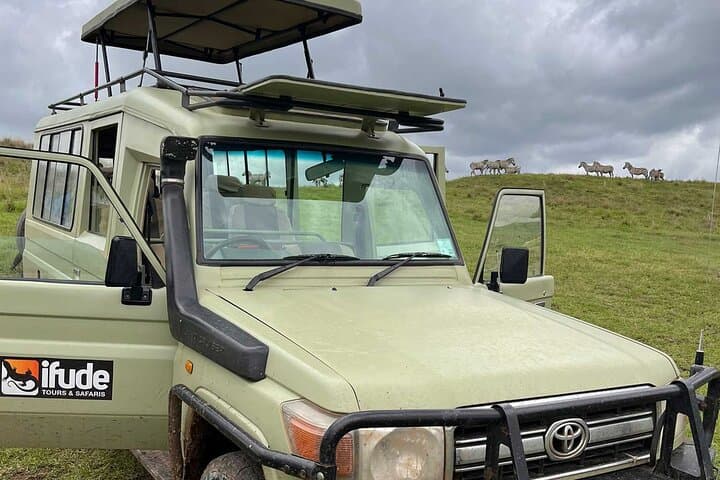
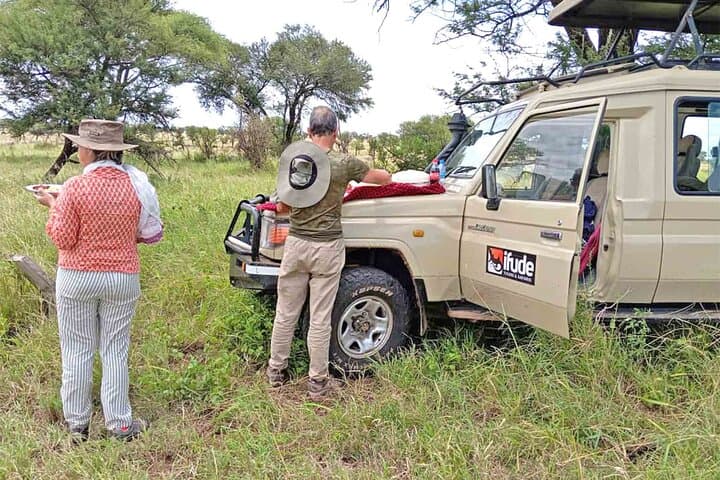
Practically: expect long but gentle vehicle days on unpaved tracks, early-morning and late-afternoon game drives, and nights in tented lodges or camps. Guides time drives to wildlife activity; wear breathable layers for cool mornings that warm quickly, and carry binoculars and a sturdy daypack. Health-wise, malaria prophylaxis, routine vaccinations and travel insurance are advised. Respect vehicle-window rules, keep distance from wildlife, and support community-run enterprises when visiting villages. With preparation the trip balances close wildlife encounters and quiet moments on the rim—an immersive eight-day safari that’s as much about timing and terrain as it is about spectacle.