THE ADVENTURE COLLECTIVE® · Independent discovery and booking for outdoor travel

A concise, three-hour photography chase from Kiruna that pairs local knowledge with practical instruction. Expect roadside viewing, hot drinks, and a pro photographer to help capture the northern lights when conditions allow.
A concise, three-hour photography chase from Kiruna that pairs local knowledge with practical instruction. Expect roadside viewing, hot drinks, and a pro photographer to help capture the northern lights when conditions allow.
Night in the far north arrives like a curtain dropped quickly — stars sharpen, the air tightens, and the sky begins to move. On this three-hour outing from Kiruna, a professional photographer drives small groups away from town lights, parking where sensors and experience say the aurora will most likely appear. The guide’s headlamp is a brief punctuation; the rest of the scene is a dialogue between cold air and green light as the aurora unfurls and dares you to raise your camera.
Verified experiences and guided adventures in the surrounding area.
Operated by Explore Kiruna · Kiruna, Norrbotten
Night in the far north arrives like a curtain dropped quickly — stars sharpen, the air tightens, and the sky begins to move. On this three-hour outing from Kiruna, a professional photographer drives small groups away from town lights, parking where sensors and experience say the aurora will most likely appear. The guide’s headlamp is a brief punctuation; the rest of the scene is a dialogue between cold air and green light as the aurora unfurls and dares you to raise your camera.
Lapland’s geology — ancient bedrock, low fells and braided rivers — shapes the horizon and often clears the lower atmosphere, creating pockets of excellent viewing. Kiruna itself is a modern mining town with deep Sámi and reindeer-herding roots; many local guides will share short cultural notes between stops. Nearby Abisko’s reputation for clear skies informs route choices, and Jukkasjärvi’s Icehotel is an easy add-on for travelers planning longer stays.
Practically: the tour includes hotel pickup and drop-off in Kiruna, hot drinks, and hands-on instruction from a photographer. Dress for extreme cold, bring a tripod, spare batteries, and a lens wider than 24mm for dramatic sky shots. Expect roadside stops rather than long hikes; the itinerary is flexible and driven by real-time aurora forecasts and cloud cover. Tours run best from late autumn through early spring when nights are long; cancellations follow weather and solar activity. Charging spares, layering, warming breaks, and clear camera settings are the smallest preparations that make the biggest difference when the sky decides to perform.
easy.
3 hours.
Suitable for most fitness levels; participants should be able to stand and walk short distances in snow and cold.
The tour is three hours long and typically operates between 9:00 PM and 2:00 AM, scheduled to match local aurora forecasts and darkness.
Yes — hotel pickup and drop-off within Kiruna are included as part of the tour.
You don’t need professional gear, but a camera with manual exposure control, a wide lens, and a tripod will significantly improve results.
Tours may be canceled or rerouted for cloud cover or extreme conditions; the operator offers refunds according to a 24-hour cancellation policy tied to weather and visibility.
Kiruna grew rapidly around iron mining in the 20th century and is undergoing a planned relocation of parts of the town due to subsidence from mining.
Keep to vehicle-access points, minimize light use, and avoid disturbing reindeer or Sámi herding operations; local operators emphasize low-impact viewing and leave-no-trace practices.
Explore Kiruna operates guided outdoor trips and adventures with an emphasis on safety, stewardship, and memorable experiences.
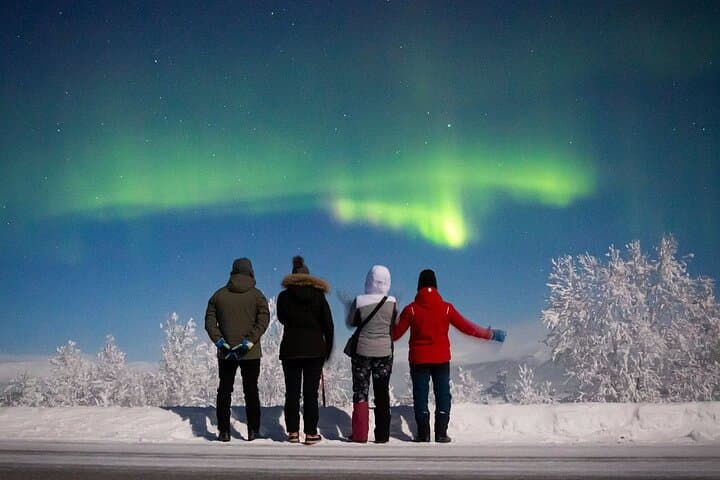
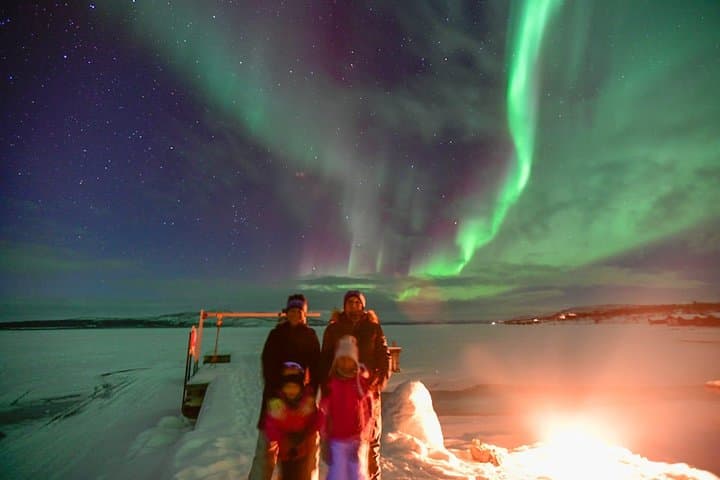
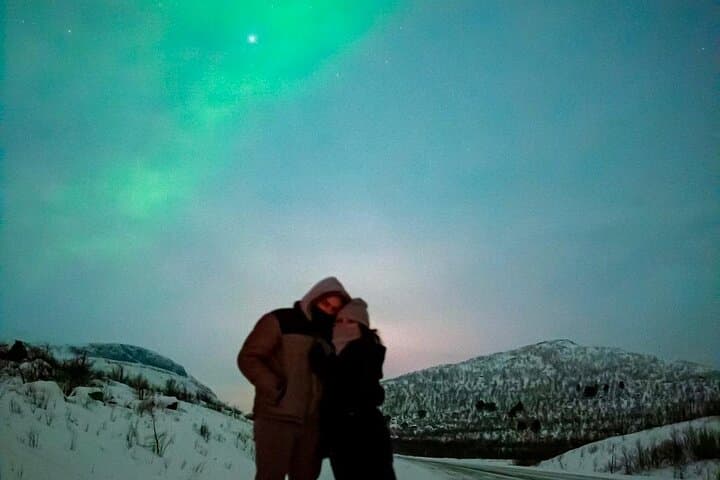

Night in the far north arrives like a curtain dropped quickly — stars sharpen, the air tightens, and the sky begins to move. On this three-hour outing from Kiruna, a professional photographer drives small groups away from town lights, parking where sensors and experience say the aurora will most likely appear. The guide’s headlamp is a brief punctuation; the rest of the scene is a dialogue between cold air and green light as the aurora unfurls and dares you to raise your camera.
Night in the far north arrives like a curtain dropped quickly — stars sharpen, the air tightens, and the sky begins to move. On this three-hour outing from Kiruna, a professional photographer drives small groups away from town lights, parking where sensors and experience say the aurora will most likely appear. The guide’s headlamp is a brief punctuation; the rest of the scene is a dialogue between cold air and green light as the aurora unfurls and dares you to raise your camera.
Lapland’s geology — ancient bedrock, low fells and braided rivers — shapes the horizon and often clears the lower atmosphere, creating pockets of excellent viewing. Kiruna itself is a modern mining town with deep Sámi and reindeer-herding roots; many local guides will share short cultural notes between stops. Nearby Abisko’s reputation for clear skies informs route choices, and Jukkasjärvi’s Icehotel is an easy add-on for travelers planning longer stays.
Practically: the tour includes hotel pickup and drop-off in Kiruna, hot drinks, and hands-on instruction from a photographer. Dress for extreme cold, bring a tripod, spare batteries, and a lens wider than 24mm for dramatic sky shots. Expect roadside stops rather than long hikes; the itinerary is flexible and driven by real-time aurora forecasts and cloud cover. Tours run best from late autumn through early spring when nights are long; cancellations follow weather and solar activity. Charging spares, layering, warming breaks, and clear camera settings are the smallest preparations that make the biggest difference when the sky decides to perform.