THE ADVENTURE COLLECTIVE® · Independent discovery and booking for outdoor travel

Watch sunset from Mauna Kea’s high rim and then peer through professional telescopes in one of the world’s best night-sky locations. This guided, small-group tour includes parkas, hot chocolate, and a Visitor Center stop for altitude acclimatization.
Watch sunset from Mauna Kea’s high rim and then peer through professional telescopes in one of the world’s best night-sky locations. This guided, small-group tour includes parkas, hot chocolate, and a Visitor Center stop for altitude acclimatization.
The sun slips behind a layer of cloud and the summit’s silhouette sharpens against a cold, thinning sky. At nearly 14,000 feet, the wind reworks the air and the vans hum as they pull into a rim where observatories perch like instruments turned toward infinity. Guides hand out heavy-duty parkas, the group leans into hot chocolate, and the first bright stars push through.
Verified experiences and guided adventures in the surrounding area.
Operated by Taikobo Hawaii · Kailua-Kona, Hawaii
The sun slips behind a layer of cloud and the summit’s silhouette sharpens against a cold, thinning sky. At nearly 14,000 feet, the wind reworks the air and the vans hum as they pull into a rim where observatories perch like instruments turned toward infinity. Guides hand out heavy-duty parkas, the group leans into hot chocolate, and the first bright stars push through.
Mauna Kea is a dormant shield volcano whose broad slopes record millions of years of lava flows; its summit is the island’s highest point and one of the clearest astronomical windows on Earth. The mountain is also tapu—sacred to Native Hawaiian practice—and the Visitor Center provides context on both the summit’s geology and its cultural importance. Above the tree line you’ll go from dry alpine desert to the high, rocky pylons that host world-class telescopes and a sky relatively free of light pollution.
Practically, this is a long evening that balances acclimatization with spectacle. The tour typically stops at the Visitor Center to help guests adjust to altitude before continuing to summit overlooks for sunset, then returning to a private observing site for guided stargazing through computerized professional telescopes. Expect cold, gusts, and thin air; guides prioritize safety and limit group sizes.
Bring layered clothing, a daylight plan (sunscreen and hat), and a charged camera with a tripod if you want long exposures. Avoid alcohol and allow time to acclimate; if weather or road conditions close the summit, operators commonly offer a refund or reschedule. The payoff is uncomplicated: a sunset that folds into a deep, commanding night sky.
moderate.
7–9 hours.
Moderate fitness recommended: able to sit for long transfers and tolerate short walks at high altitude; not strenuous but altitude can be challenging.
The tour reaches Mauna Kea’s summit region at roughly 13,700–13,800 feet above sea level (near 4,200 meters); exact stopping points depend on road and weather conditions.
Heavy-duty hooded parkas are provided, but you should still wear warm base layers and insulated gloves for comfortable night-time viewing.
Guides will usually allow photography of the night sky from the observing site, but direct imaging through professional telescopes is restricted; bring a tripod for long exposures.
Pregnant guests, those who scuba dived within 24 hours, and severely obese guests (BMI over 40) are not allowed; anyone with serious medical conditions should consult the operator in advance.
Mauna Kea is both an astronomical hub and a culturally significant place for Native Hawaiians; the summit area contains sites and practices recognized for their spiritual importance.
Visitors are encouraged to stay on designated paths, respect cultural sites, and note that a passenger stewardship fee supports Maunakea care and preservation.
Taikobo Hawaii operates guided outdoor trips and adventures with an emphasis on safety, stewardship, and memorable experiences.
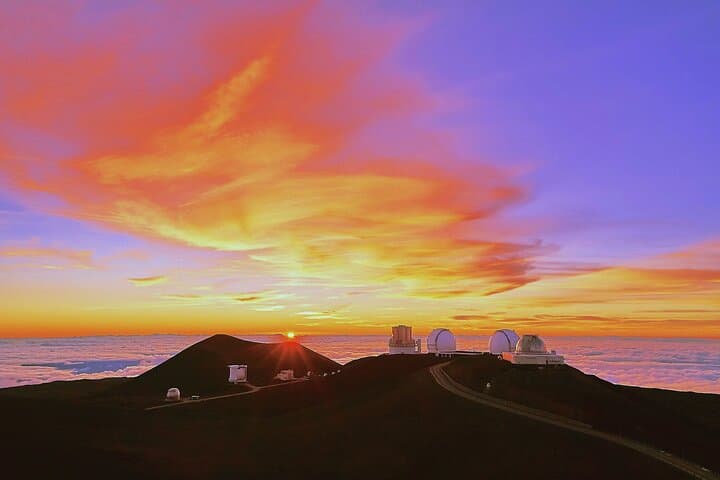
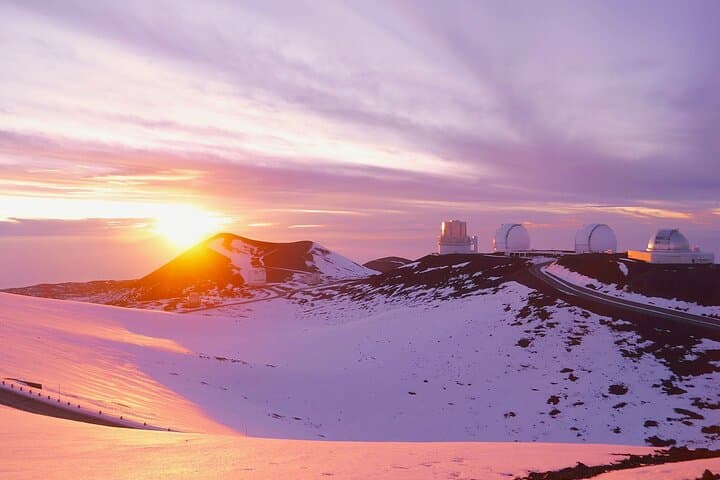


The sun slips behind a layer of cloud and the summit’s silhouette sharpens against a cold, thinning sky. At nearly 14,000 feet, the wind reworks the air and the vans hum as they pull into a rim where observatories perch like instruments turned toward infinity. Guides hand out heavy-duty parkas, the group leans into hot chocolate, and the first bright stars push through.
The sun slips behind a layer of cloud and the summit’s silhouette sharpens against a cold, thinning sky. At nearly 14,000 feet, the wind reworks the air and the vans hum as they pull into a rim where observatories perch like instruments turned toward infinity. Guides hand out heavy-duty parkas, the group leans into hot chocolate, and the first bright stars push through.
Mauna Kea is a dormant shield volcano whose broad slopes record millions of years of lava flows; its summit is the island’s highest point and one of the clearest astronomical windows on Earth. The mountain is also tapu—sacred to Native Hawaiian practice—and the Visitor Center provides context on both the summit’s geology and its cultural importance. Above the tree line you’ll go from dry alpine desert to the high, rocky pylons that host world-class telescopes and a sky relatively free of light pollution.
Practically, this is a long evening that balances acclimatization with spectacle. The tour typically stops at the Visitor Center to help guests adjust to altitude before continuing to summit overlooks for sunset, then returning to a private observing site for guided stargazing through computerized professional telescopes. Expect cold, gusts, and thin air; guides prioritize safety and limit group sizes.
Bring layered clothing, a daylight plan (sunscreen and hat), and a charged camera with a tripod if you want long exposures. Avoid alcohol and allow time to acclimate; if weather or road conditions close the summit, operators commonly offer a refund or reschedule. The payoff is uncomplicated: a sunset that folds into a deep, commanding night sky.