THE ADVENTURE COLLECTIVE® · Independent discovery and booking for outdoor travel

Spend a full day chasing one of Morocco’s most photographed waterfalls. This classic outing from Marrakech blends a rugged riverside hike, close wildlife encounters and village cafés beneath a 110-meter cascade.
Spend a full day chasing one of Morocco’s most photographed waterfalls. This classic outing from Marrakech blends a rugged riverside hike, close wildlife encounters and village cafés beneath a 110-meter cascade.
You arrive on a sun-washed lane, olive trees rolling away like cultivated waves, and the first spray hits the air before the waterfall comes into view—a curtain of water leaping 110 meters into a carved gorge, rainbows splitting the drop. The path drops with it: a steady walk through terraces, streamside cafés and the occasional call of a Barbary macaque daring you to stop for a nut.
Verified experiences and guided adventures in the surrounding area.
Operated by Marrakechandcasablancatours · Azilal, Béni Mellal-Khénifra
You arrive on a sun-washed lane, olive trees rolling away like cultivated waves, and the first spray hits the air before the waterfall comes into view—a curtain of water leaping 110 meters into a carved gorge, rainbows splitting the drop. The path drops with it: a steady walk through terraces, streamside cafés and the occasional call of a Barbary macaque daring you to stop for a nut.
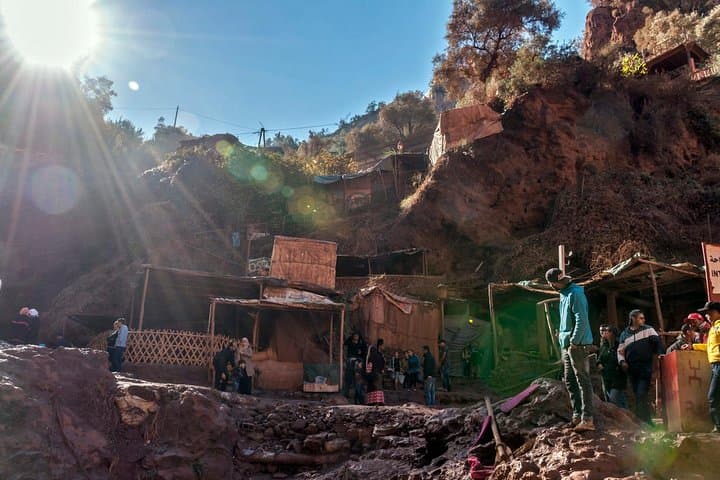
Ouzoud sits on an ancient line of limestone and schist where the El-Abid River has cut a pronounced amphitheater over millennia. Villages nearby reflect Amazigh (Berber) farming culture—stone houses, terraced olive groves and irrigation channels that fed communities for generations. Local cafés serve simple tagines and mint tea beside the stream; expect convivial, practical hospitality rather than tourist pretension.
The hike down to the base is steep in sections but well-trodden; wooden and stone steps alternate with dirt switchbacks. Along the way, watch for nesting raptors on the cliffs and small springs that feed mossy pools. Rest at the riverside cafés for lunch before the climb back up to the village and your return transfer to Marrakech.
Practical guidance: wear supportive hiking shoes and bring 1.5–2 liters of water, a light rain layer and sun protection. Plan for roughly three hours on-foot around the falls within a full-day outing that includes a 3-hour drive each way from Marrakech. Respect wildlife—do not feed the macaques—and carry out trash; trail erosion is visible in places, so stick to established paths.
moderate.
9–10 hours.
Moderate fitness required: comfortable with sustained walking, some steep uphill sections on packed dirt and stone steps.
Expect about a 2.5–3 hour drive each way depending on traffic and stops across the Tadla plains.
No—Barbary macaques are wild; do not feed or touch them and store food securely to avoid interactions.
Children and those with moderate fitness can do it, but steep steps and a vigorous climb back up may be challenging—assess mobility and pace accordingly.
Yes—small cafés and food stalls by the stream offer tea, light meals and snacks; carry cash for purchases.
Ouzoud’s terraces and irrigation reflect centuries of Amazigh farming practice; the falls fed local communities and shaped settlement patterns.
Visitor impact can accelerate erosion and disturb wildlife—stay on paths, avoid feeding animals and pack out litter to protect the gorge.
Marrakechandcasablancatours operates guided outdoor trips and adventures with an emphasis on safety, stewardship, and memorable experiences.
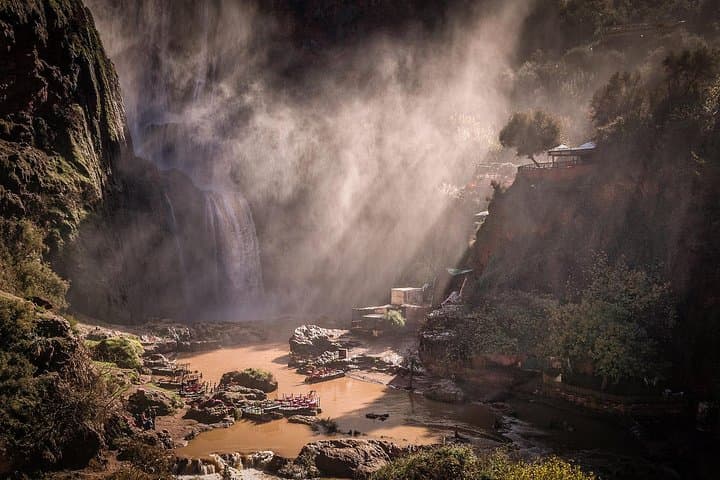
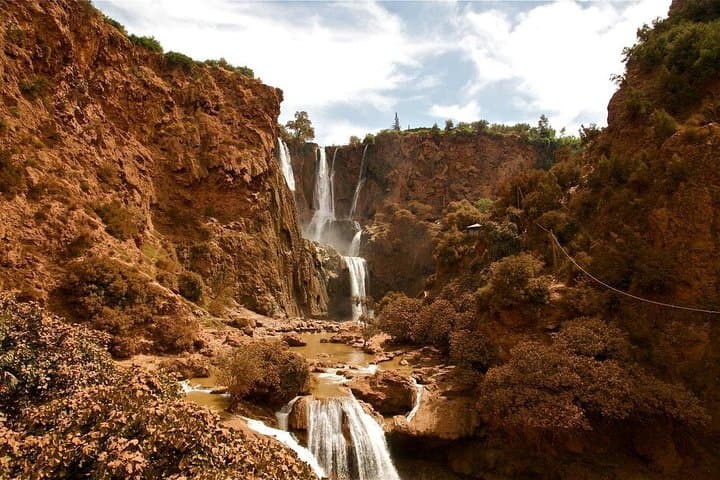
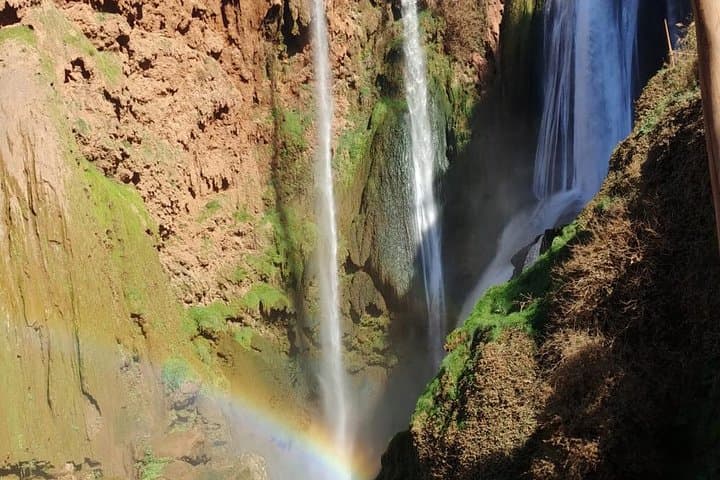
You arrive on a sun-washed lane, olive trees rolling away like cultivated waves, and the first spray hits the air before the waterfall comes into view—a curtain of water leaping 110 meters into a carved gorge, rainbows splitting the drop. The path drops with it: a steady walk through terraces, streamside cafés and the occasional call of a Barbary macaque daring you to stop for a nut.
You arrive on a sun-washed lane, olive trees rolling away like cultivated waves, and the first spray hits the air before the waterfall comes into view—a curtain of water leaping 110 meters into a carved gorge, rainbows splitting the drop. The path drops with it: a steady walk through terraces, streamside cafés and the occasional call of a Barbary macaque daring you to stop for a nut.
Ouzoud sits on an ancient line of limestone and schist where the El-Abid River has cut a pronounced amphitheater over millennia. Villages nearby reflect Amazigh (Berber) farming culture—stone houses, terraced olive groves and irrigation channels that fed communities for generations. Local cafés serve simple tagines and mint tea beside the stream; expect convivial, practical hospitality rather than tourist pretension.
The hike down to the base is steep in sections but well-trodden; wooden and stone steps alternate with dirt switchbacks. Along the way, watch for nesting raptors on the cliffs and small springs that feed mossy pools. Rest at the riverside cafés for lunch before the climb back up to the village and your return transfer to Marrakech.
Practical guidance: wear supportive hiking shoes and bring 1.5–2 liters of water, a light rain layer and sun protection. Plan for roughly three hours on-foot around the falls within a full-day outing that includes a 3-hour drive each way from Marrakech. Respect wildlife—do not feed the macaques—and carry out trash; trail erosion is visible in places, so stick to established paths.