THE ADVENTURE COLLECTIVE® · Independent discovery and booking for outdoor travel

Head out of Banff after dark to chase auroras or simply bask under a guaranteed starlit sky. This guided three‑hour tour combines short roadside walks, local history, and practical photography tips—perfect for anyone wanting to experience the Rockies after dusk.
Head out of Banff after dark to chase auroras or simply bask under a guaranteed starlit sky. This guided three‑hour tour combines short roadside walks, local history, and practical photography tips—perfect for anyone wanting to experience the Rockies after dusk.
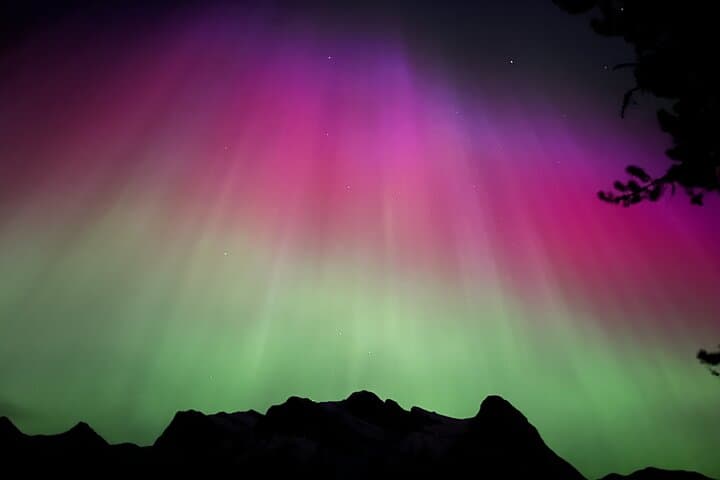
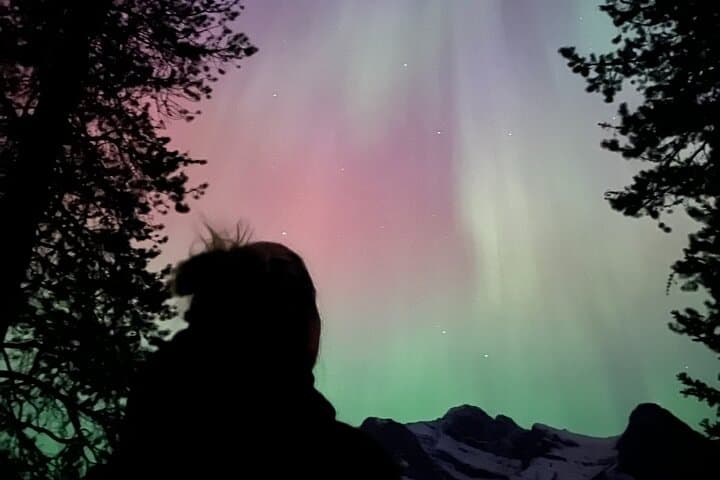
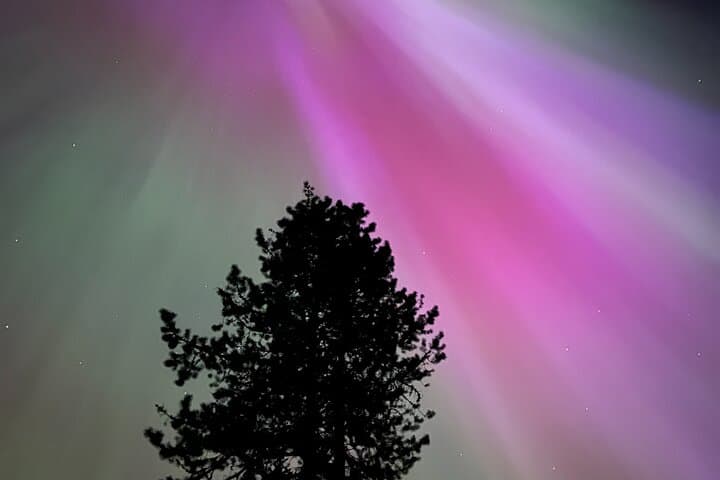
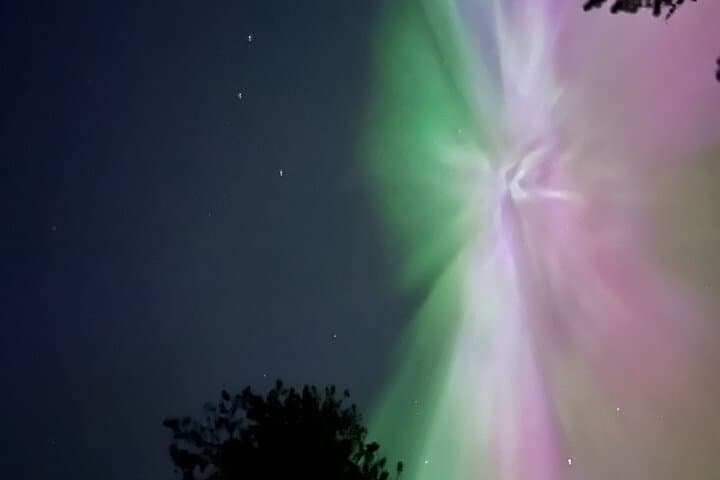
The road out of Banff quiets as the town lights fall away and the Rockies open above you—peaks like dark teeth against the sky while the Milky Way begins to spill light across a velvet dome. Guides scan forecasts and road conditions, then steer you to roadside pullouts, frozen lakeshores, or simple ridgelines where the night can breathe.
Verified experiences and guided adventures in the surrounding area.
Operated by Banff & Canmore Tours · Banff, Alberta
The road out of Banff quiets as the town lights fall away and the Rockies open above you—peaks like dark teeth against the sky while the Milky Way begins to spill light across a velvet dome. Guides scan forecasts and road conditions, then steer you to roadside pullouts, frozen lakeshores, or simple ridgelines where the night can breathe.
Banff sits inside Canada’s first national park (established 1885) on sedimentary rock shaped by ancient seas and recent glaciers; those mountains create pockets of clear air and low light pollution that make the sky feel close. Local Stoney Nakoda and other First Nations have long read stars for seasons and stories; guides often weave these cultural threads into the tour alongside astronomy and geology talk. The aurora itself is fickle—solar wind meets magnetic shield and the sky decides whether to dance.
Practically: tours run about three hours, with short walks from the vehicle and long stretches standing to observe. Expect cold, even in shoulder seasons—layers, warm boots, and a tripod will make the night comfortable and photo-ready. Operators monitor cloud cover and solar activity and will re-route or reschedule; there’s often a refund policy if conditions fail (the operator here offers refunds for >50% cloud cover).
Bring a red-light headlamp to preserve night vision, keep moving to stay warm between viewing stops, and set camera exposures deliberately—aurora and star photography rewards patience. Whether you watch a faint green shimmer or a galaxy-splattered sky, the guide-led format makes a three-hour window an efficient way to chase one of nature’s more mercurial shows.
easy.
3 hours.
Suitable for people who can stand outdoors and handle short, uneven walks; not suitable for those with limited mobility.
Aurora sightings are unpredictable; the tour actively monitors solar activity and cloud cover and will reschedule or offer a stargazing alternative. Visibility depends on geomagnetic activity (KP index) and local weather.
Dress in warm layers, including a windproof outer shell, hat, gloves, and insulated boots—temperatures can fall rapidly after sunset even outside winter months.
This tour involves short walks over uneven ground and standing for extended periods; it’s generally not recommended for children under 8, people with significant mobility limitations, or those with serious medical conditions.
Yes—guides typically offer assistance with camera exposure settings, composition tips, and where to position shots, but you should bring your own tripod and cables.
Banff National Park was established in 1885 after hot springs were discovered; the park’s access and rail history helped create Banff as a mountain tourist hub.
Dark-sky etiquette is emphasized—use red lights, avoid loud group noise, and keep to designated pullouts to minimize disturbance to wildlife and preserve viewing quality.
Banff & Canmore Tours operates guided outdoor trips and adventures with an emphasis on safety, stewardship, and memorable experiences.
The road out of Banff quiets as the town lights fall away and the Rockies open above you—peaks like dark teeth against the sky while the Milky Way begins to spill light across a velvet dome. Guides scan forecasts and road conditions, then steer you to roadside pullouts, frozen lakeshores, or simple ridgelines where the night can breathe.
The road out of Banff quiets as the town lights fall away and the Rockies open above you—peaks like dark teeth against the sky while the Milky Way begins to spill light across a velvet dome. Guides scan forecasts and road conditions, then steer you to roadside pullouts, frozen lakeshores, or simple ridgelines where the night can breathe.
Banff sits inside Canada’s first national park (established 1885) on sedimentary rock shaped by ancient seas and recent glaciers; those mountains create pockets of clear air and low light pollution that make the sky feel close. Local Stoney Nakoda and other First Nations have long read stars for seasons and stories; guides often weave these cultural threads into the tour alongside astronomy and geology talk. The aurora itself is fickle—solar wind meets magnetic shield and the sky decides whether to dance.
Practically: tours run about three hours, with short walks from the vehicle and long stretches standing to observe. Expect cold, even in shoulder seasons—layers, warm boots, and a tripod will make the night comfortable and photo-ready. Operators monitor cloud cover and solar activity and will re-route or reschedule; there’s often a refund policy if conditions fail (the operator here offers refunds for >50% cloud cover).
Bring a red-light headlamp to preserve night vision, keep moving to stay warm between viewing stops, and set camera exposures deliberately—aurora and star photography rewards patience. Whether you watch a faint green shimmer or a galaxy-splattered sky, the guide-led format makes a three-hour window an efficient way to chase one of nature’s more mercurial shows.