THE ADVENTURE COLLECTIVE® · Independent discovery and booking for outdoor travel

A guided photography outing into Theodore Roosevelt National Park that pairs knowledgeable local guides with prime wildlife viewing—feral horses, bison, and badlands vistas. Expect slow drives, brief walks, and practical tips on timing, permits, and gear to make the most of a half-day in rugged prairie country.
A guided photography outing into Theodore Roosevelt National Park that pairs knowledgeable local guides with prime wildlife viewing—feral horses, bison, and badlands vistas. Expect slow drives, brief walks, and practical tips on timing, permits, and gear to make the most of a half-day in rugged prairie country.
You start before dawn on a gravel road where the badlands silhouette slices the horizon and the air carries the dry, metallic scent of sage. A guide from Chasing Horses leads the van through winding park roads; windows frame hoodoos, shortgrass prairie, and the slow choreography of bison and feral ponies as the first light stretches across buttes.
Verified experiences and guided adventures in the surrounding area.
Operated by Chasing Horses · Medora, North Dakota
You start before dawn on a gravel road where the badlands silhouette slices the horizon and the air carries the dry, metallic scent of sage. A guide from Chasing Horses leads the van through winding park roads; windows frame hoodoos, shortgrass prairie, and the slow choreography of bison and feral ponies as the first light stretches across buttes.
Theodore Roosevelt National Park is carved from Miocene-era river deposits; weathered layers of shale and sandstone create the ridges and coulees that concentrate wildlife. Roosevelt’s conservation legacy began here in the 1880s, when the ranching and rugged landscape shaped the conservation ideas that later influenced national policy. Local culture still skews toward ranch and rodeo life—small towns like Medora keep western hospitality alive.
On this guided photography outing expect a mix of short stops and slow drives, camera-ready vantage points, and chances to observe wild horses, prairie dogs, and elk from respectful distances. Guides know seasonal concentrations and light windows; they’ll advise on where to park safely and when to stay in the vehicle to avoid disturbing animals.
Practical guidance: you must carry a valid Theodore Roosevelt National Park pass and bring water, layered clothing for wind and sudden temperature shifts, and a telephoto lens or spotting scope for wildlife shots. Wear sturdy shoes for brief walks; surfaces are uneven and dusty. Morning and late-afternoon light are prime for the best images and the most active wildlife. Respect distance guidelines, pack out waste, and plan for limited cell service—this is remote country where the landscape directs the pace.
easy.
4 hours.
Suitable for all fitness levels; mostly vehicle-based with short, easy walks
Yes — every participant must have a Theodore Roosevelt National Park pass to enter; purchase online or at park entrances before arrival.
Guides prioritize safe, non-invasive viewing—expect to observe horses from vehicles or with telephoto lenses rather than close contact.
The experience is rated easy and suitable for most fitness levels; limited walking and vehicle access make it family-friendly, but confirm specifics with the operator if mobility is restricted.
Tours can be canceled or rescheduled for severe weather; check the operator’s 24-hour cancellation policy and confirm plans if conditions look poor.
The park preserves landscapes where Theodore Roosevelt ranched in the 1880s; his experiences here influenced early U.S. conservation policy.
Visitors should stay on designated roads and keep distance from wildlife; pack-out policies and limited off-road access protect fragile prairie soils and archeological sites.
Chasing Horses operates guided outdoor trips and adventures with an emphasis on safety, stewardship, and memorable experiences.
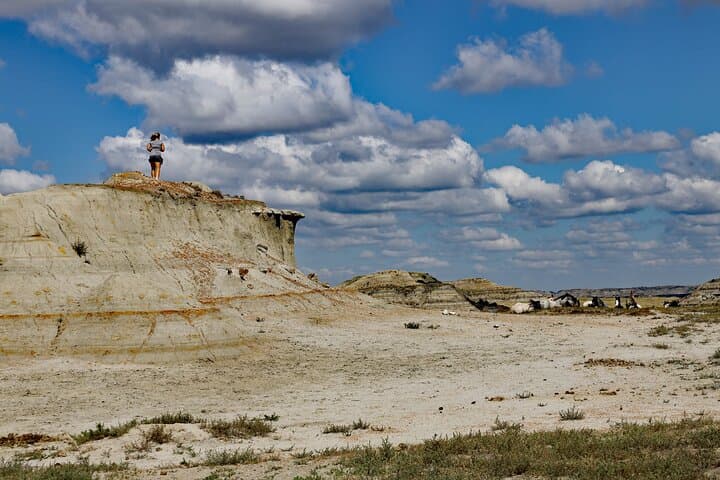
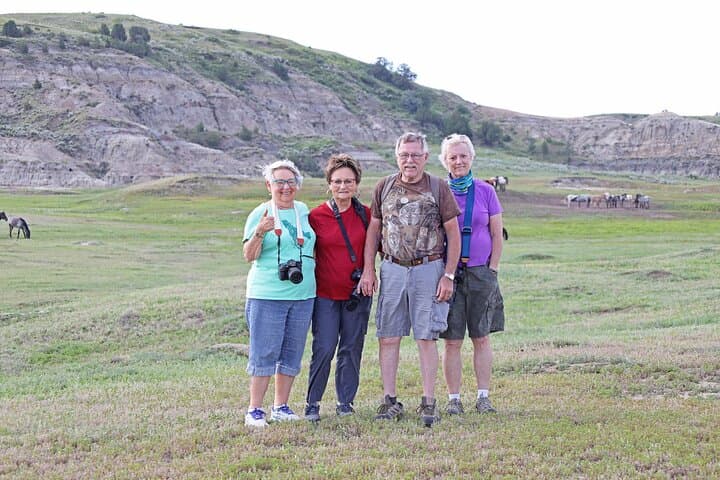
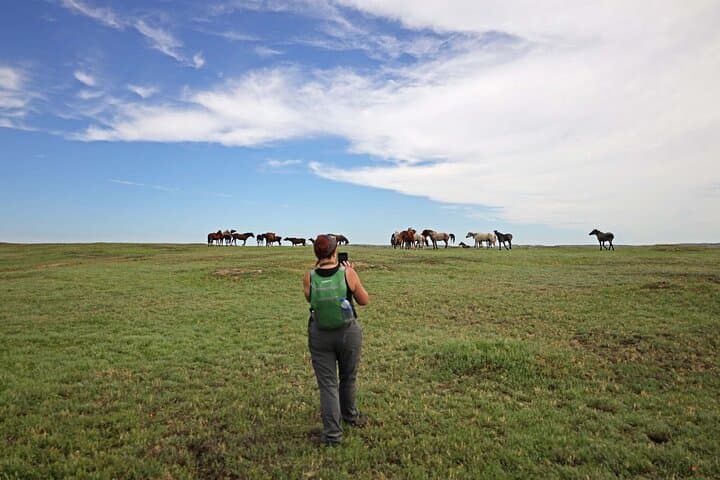
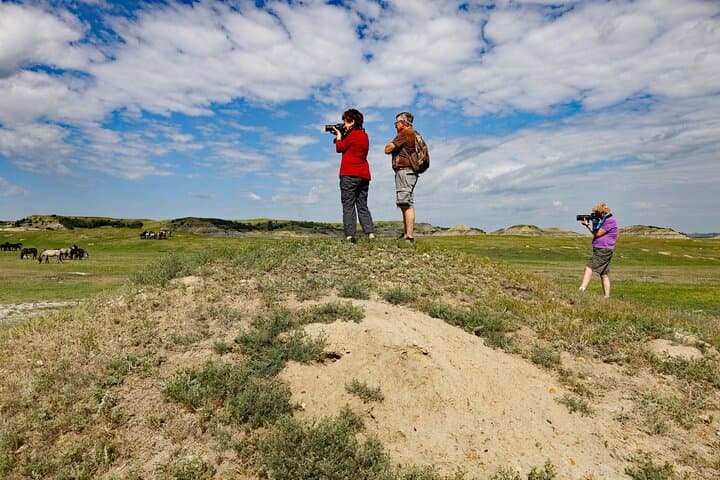
You start before dawn on a gravel road where the badlands silhouette slices the horizon and the air carries the dry, metallic scent of sage. A guide from Chasing Horses leads the van through winding park roads; windows frame hoodoos, shortgrass prairie, and the slow choreography of bison and feral ponies as the first light stretches across buttes.
You start before dawn on a gravel road where the badlands silhouette slices the horizon and the air carries the dry, metallic scent of sage. A guide from Chasing Horses leads the van through winding park roads; windows frame hoodoos, shortgrass prairie, and the slow choreography of bison and feral ponies as the first light stretches across buttes.
Theodore Roosevelt National Park is carved from Miocene-era river deposits; weathered layers of shale and sandstone create the ridges and coulees that concentrate wildlife. Roosevelt’s conservation legacy began here in the 1880s, when the ranching and rugged landscape shaped the conservation ideas that later influenced national policy. Local culture still skews toward ranch and rodeo life—small towns like Medora keep western hospitality alive.
On this guided photography outing expect a mix of short stops and slow drives, camera-ready vantage points, and chances to observe wild horses, prairie dogs, and elk from respectful distances. Guides know seasonal concentrations and light windows; they’ll advise on where to park safely and when to stay in the vehicle to avoid disturbing animals.
Practical guidance: you must carry a valid Theodore Roosevelt National Park pass and bring water, layered clothing for wind and sudden temperature shifts, and a telephoto lens or spotting scope for wildlife shots. Wear sturdy shoes for brief walks; surfaces are uneven and dusty. Morning and late-afternoon light are prime for the best images and the most active wildlife. Respect distance guidelines, pack out waste, and plan for limited cell service—this is remote country where the landscape directs the pace.