THE ADVENTURE COLLECTIVE® · Independent discovery and booking for outdoor travel

Spend a day chasing four of Ubud’s most memorable waterfalls—Tukad Cepung’s cave‑like slot, Kanto Lampo’s stepped sheets, Tegenungan’s powerful drop and Tibumana’s twin pools. This private tour pairs local knowledge with easy logistics so you can focus on the water, the light and photo moments.
Spend a day chasing four of Ubud’s most memorable waterfalls—Tukad Cepung’s cave‑like slot, Kanto Lampo’s stepped sheets, Tegenungan’s powerful drop and Tibumana’s twin pools. This private tour pairs local knowledge with easy logistics so you can focus on the water, the light and photo moments.
You step out of the air‑conditioned car and the Ubud heat hits like a warm hand, but the sound of water—at first a soft hiss, then a steady roar—pulls you along a narrow path shaded by palms and banyan roots.
Verified experiences and guided adventures in the surrounding area.
Operated by Rukmana Bali Tour · Ubud, Bali
You step out of the air‑conditioned car and the Ubud heat hits like a warm hand, but the sound of water—at first a soft hiss, then a steady roar—pulls you along a narrow path shaded by palms and banyan roots.
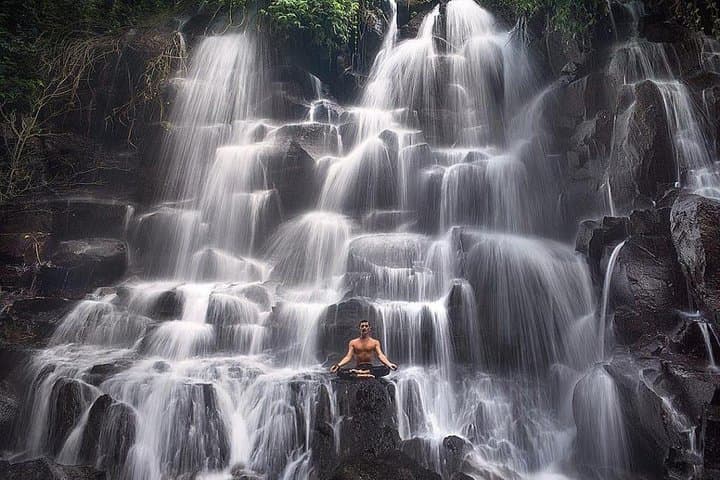
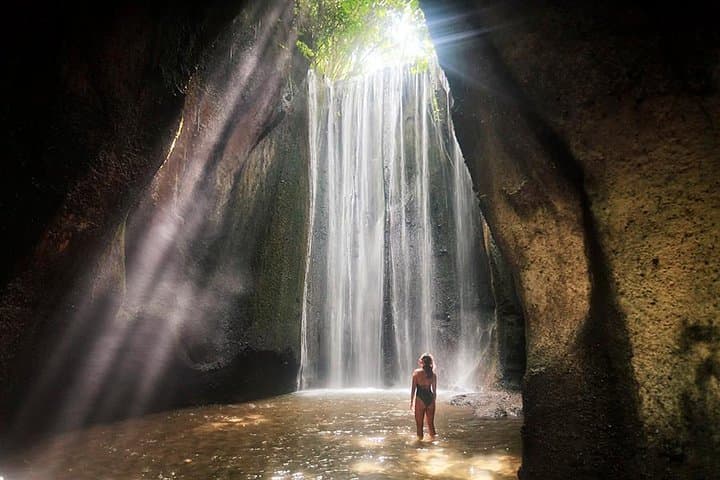
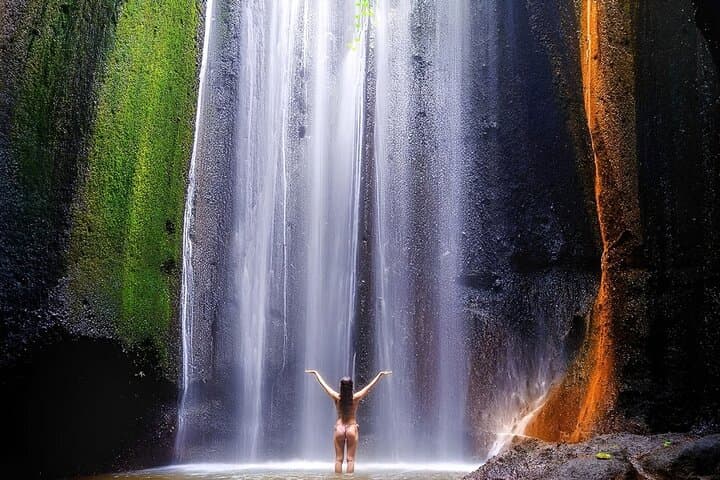
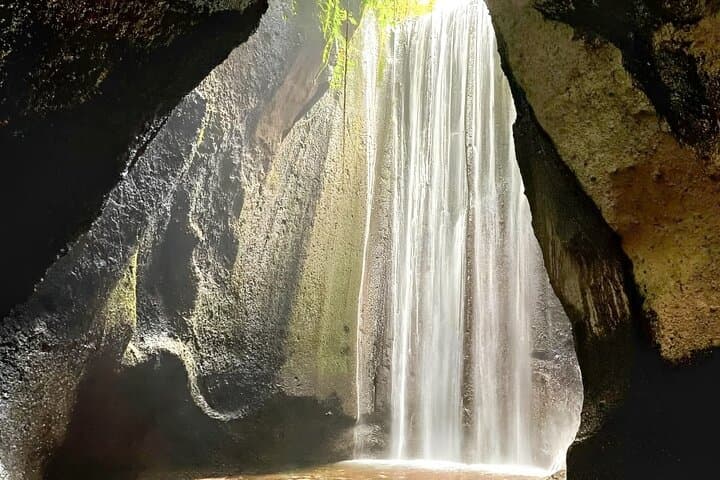
By midmorning the driver drops you at the foot of Tegenungan and the crowd thins as you move toward the edge. Stone steps wobble underfoot, spray lifts from the lip of the falls and the river tells you, in no uncertain terms, to come closer. At Tukad Cepung the experience is different: a slit of sky overhead, cliffs pressing in, light slicing down like a spotlight onto a curtain of water. Kanto Lampo rewards you with tiered flows dropping over banded rock shelves beside local houses. Tibumana finishes the set with a twin‑sheet drop and a shallow pool that begs for a cooling dip.
These waterfalls are less a single geological type and more the island's hydrology written in three voices. Bali’s active volcanic past—layers of lava flows intercut with riverine erosion—has carved steep gorges and channeled streams into the cliffs you see today. Culturally, water in Bali is not only spectacle but ritual; Tegenungan has long been associated locally with purification rites and offerings to the land‑spirits. Ubud, the region’s cultural hub, frames these falls with village life—warungs, rice terraces visible up the road and temple offerings perched on stone.
If you’re planning the loop from Ubud, expect an eight‑to‑ten‑hour day with plenty of walking on stairs, wet rocks and short trails that require nimble footing. The tour operates year‑round, but the mood changes with the seasons: the wet months turn streams fuller and more dramatic; the dry season makes access and photos easier.
Practical guidance: go early. The light through Tukad Cepung is best mid‑morning; Tegenungan is busiest past 10:00. Bring water, a small towel and footwear with grip or sandals you don’t mind getting soaked—many paths are slick. Cash for small entrance fees and tip jars is handy; some sites restrict swimming during heavy flows. Respect local rituals: you'll see shrines and offerings, so dress modestly if you plan to linger near temple areas.
This private tour’s strength is logistics—an English‑speaking driver who knows the back roads, a comfortable AC car and door‑to‑door pickup—so you can focus on timing frames of light, cliff passages and the simple, refreshing act of standing under falling water.
When to go: sunrise to late morning for light and crowd control. When you leave, the car’s cool interior feels like a reward after an honest day of wet boots, camera memory cards full of green and blue and a reminder that Bali’s best scenes are often reached on foot, where water still moves the landscape and the people who live beside it.
moderate.
8–10 hours.
You should be comfortable climbing and descending 20–200 stone steps multiple times and walking on uneven, sometimes slippery terrain.
The private tour runs about 8–10 hours depending on traffic, how long you spend at each waterfall and pickup location.
Entrance tickets are listed as optional; the tour typically covers transport, driver and bottled water while entrance costs are paid on site.
Swimming is allowed at several sites like Tibumana and parts of Tegenungan when river conditions are calm—obey local signage and guides for safety.
It’s generally suitable for all fitness levels, but expect stairs and uneven terrain; travelers with mobility issues should consult the operator before booking.
Quick‑dry clothing, grippy shoes, and a sarong or cover‑up for temple areas; bring a change of clothes if you plan to swim.
Tipping is customary for good service in Bali; an amount is discretionary but appreciated by drivers who provide local guidance and photography help.
Water and rice irrigation are central to Bali’s history; many falls and rivers are woven into local subak water‑management stories and temple rituals reflecting the island’s Hindu traditions.
These sites are popular and fragile—stick to marked paths, avoid littering and use local guides to support community‑based tourism and conservation efforts.
Rukmana Bali Tour operates guided outdoor trips and adventures with an emphasis on safety, stewardship, and memorable experiences.
You step out of the air‑conditioned car and the Ubud heat hits like a warm hand, but the sound of water—at first a soft hiss, then a steady roar—pulls you along a narrow path shaded by palms and banyan roots.
You step out of the air‑conditioned car and the Ubud heat hits like a warm hand, but the sound of water—at first a soft hiss, then a steady roar—pulls you along a narrow path shaded by palms and banyan roots.
By midmorning the driver drops you at the foot of Tegenungan and the crowd thins as you move toward the edge. Stone steps wobble underfoot, spray lifts from the lip of the falls and the river tells you, in no uncertain terms, to come closer. At Tukad Cepung the experience is different: a slit of sky overhead, cliffs pressing in, light slicing down like a spotlight onto a curtain of water. Kanto Lampo rewards you with tiered flows dropping over banded rock shelves beside local houses. Tibumana finishes the set with a twin‑sheet drop and a shallow pool that begs for a cooling dip.
These waterfalls are less a single geological type and more the island's hydrology written in three voices. Bali’s active volcanic past—layers of lava flows intercut with riverine erosion—has carved steep gorges and channeled streams into the cliffs you see today. Culturally, water in Bali is not only spectacle but ritual; Tegenungan has long been associated locally with purification rites and offerings to the land‑spirits. Ubud, the region’s cultural hub, frames these falls with village life—warungs, rice terraces visible up the road and temple offerings perched on stone.
If you’re planning the loop from Ubud, expect an eight‑to‑ten‑hour day with plenty of walking on stairs, wet rocks and short trails that require nimble footing. The tour operates year‑round, but the mood changes with the seasons: the wet months turn streams fuller and more dramatic; the dry season makes access and photos easier.
Practical guidance: go early. The light through Tukad Cepung is best mid‑morning; Tegenungan is busiest past 10:00. Bring water, a small towel and footwear with grip or sandals you don’t mind getting soaked—many paths are slick. Cash for small entrance fees and tip jars is handy; some sites restrict swimming during heavy flows. Respect local rituals: you'll see shrines and offerings, so dress modestly if you plan to linger near temple areas.
This private tour’s strength is logistics—an English‑speaking driver who knows the back roads, a comfortable AC car and door‑to‑door pickup—so you can focus on timing frames of light, cliff passages and the simple, refreshing act of standing under falling water.
When to go: sunrise to late morning for light and crowd control. When you leave, the car’s cool interior feels like a reward after an honest day of wet boots, camera memory cards full of green and blue and a reminder that Bali’s best scenes are often reached on foot, where water still moves the landscape and the people who live beside it.