THE ADVENTURE COLLECTIVE® · Independent discovery and booking for outdoor travel

Board a small bus from Reykjavík and follow expert driver-guides as they hunt clear skies for auroral displays. This 4–5 hour, weather-driven tour combines local stories, hot chocolate and practical photography tips while chasing the Northern Lights.
Board a small bus from Reykjavík and follow expert driver-guides as they hunt clear skies for auroral displays. This 4–5 hour, weather-driven tour combines local stories, hot chocolate and practical photography tips while chasing the Northern Lights.
The bus eases out of Reykjavík, headlights slicing a black cold that feels wired to the sky. Within half an hour the glow of the capital fades and the driver-guide scans the horizon for clear patches; the windows fog with warm breath, and the first green ribbon appears like a promise.
Verified experiences and guided adventures in the surrounding area.
Operated by Iceland Paradise Tours · Reykjavík, Capital Region
The bus eases out of Reykjavík, headlights slicing a black cold that feels wired to the sky. Within half an hour the glow of the capital fades and the driver-guide scans the horizon for clear patches; the windows fog with warm breath, and the first green ribbon appears like a promise.
Iceland sits under frequent auroral activity because of its high latitude and clear winter nights; the lights themselves are charged solar particles colliding with the atmosphere. The landscape you travel through—coastal lava fields, low ridges and glacial rivers—reflects the island’s volcanic and glacial history, and many guides add local folklore about Northern Lights lore while you wait.
Expect a practical, weather-driven evening rather than a fixed itinerary: guides chase clear skies around the capital region, sometimes 30 minutes away, sometimes a few hours. Tours typically run 4–5 hours and include pickup/drop-off, hot chocolate, snacks and onboard Wi‑Fi. Because the aurora is a natural phenomenon, sightings aren’t guaranteed, but experienced guides maximize odds by monitoring cloud cover and KP indices.
Plan for prolonged outdoor standing at remote vantage points, low ambient temperatures and sudden wind. Dress in insulated layers, bring a tripod and spare batteries, and pick seats near windows during transfers for early sightings. Photography benefits from manual exposure (10–25s, wide aperture) and practice beforehand.
Late autumn through early spring offers the best chances; summer’s midnight sun makes aurora hunting impractical. Tours are accessible for most fitness levels and provide a mix of science, local color and patient sky‑watching—an active, weather-led chase that rewards patience.
easy.
4–5 hours.
Suitable for most fitness levels; requires standing outdoors in cold temperatures for extended periods.
Guides maximize chances by chasing clear skies and monitoring auroral activity, but the Northern Lights are a natural phenomenon and sightings cannot be guaranteed.
Tours typically run 4–5 hours in the evening; exact pickup and return times vary by season and meeting point—confirm at booking.
Yes—most small-group tours include pickup and drop-off within the capital region; you’ll select or confirm a pickup point when booking.
The tour is generally suitable for families and most fitness levels but involves standing on uneven ground; contact the operator about specific mobility needs before booking.
The Northern Lights have been observed in Iceland for centuries and appear in local sagas and folklore; modern explanations link them to solar wind interactions with Earth’s magnetic field.
Stick to established pullouts and avoid trampling fragile moss and lichen; light pollution and off-road driving can degrade viewing areas, so operators aim to minimize impact.
Iceland Paradise Tours operates guided outdoor trips and adventures with an emphasis on safety, stewardship, and memorable experiences.

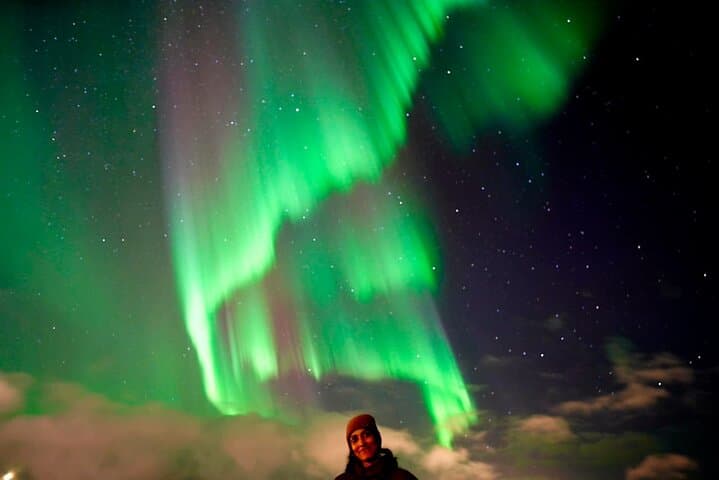
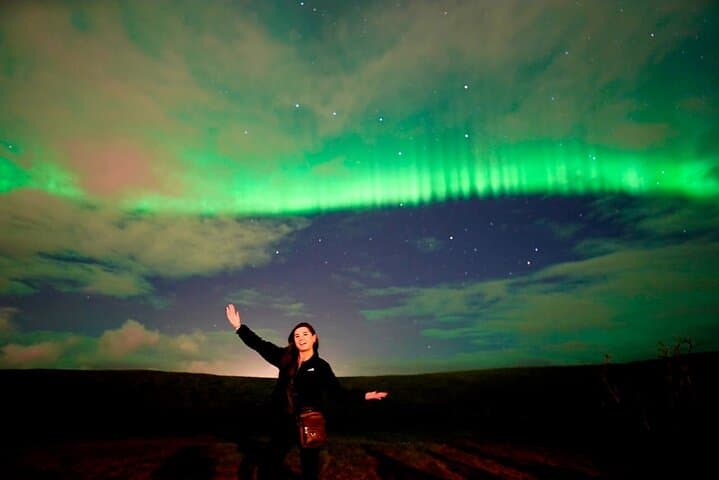
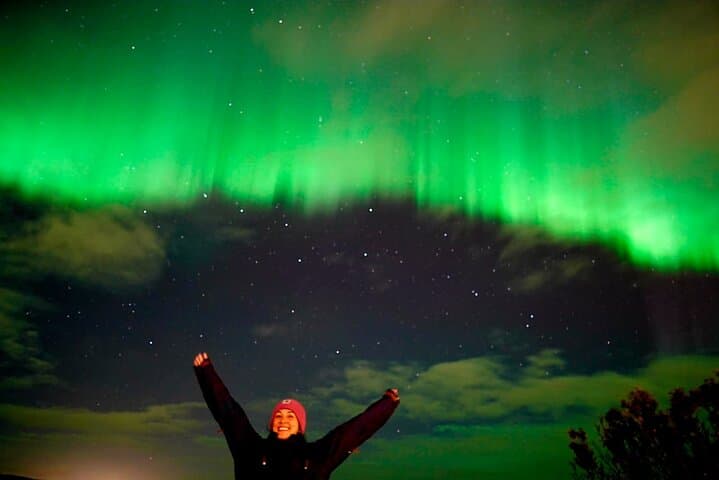
The bus eases out of Reykjavík, headlights slicing a black cold that feels wired to the sky. Within half an hour the glow of the capital fades and the driver-guide scans the horizon for clear patches; the windows fog with warm breath, and the first green ribbon appears like a promise.
The bus eases out of Reykjavík, headlights slicing a black cold that feels wired to the sky. Within half an hour the glow of the capital fades and the driver-guide scans the horizon for clear patches; the windows fog with warm breath, and the first green ribbon appears like a promise.
Iceland sits under frequent auroral activity because of its high latitude and clear winter nights; the lights themselves are charged solar particles colliding with the atmosphere. The landscape you travel through—coastal lava fields, low ridges and glacial rivers—reflects the island’s volcanic and glacial history, and many guides add local folklore about Northern Lights lore while you wait.
Expect a practical, weather-driven evening rather than a fixed itinerary: guides chase clear skies around the capital region, sometimes 30 minutes away, sometimes a few hours. Tours typically run 4–5 hours and include pickup/drop-off, hot chocolate, snacks and onboard Wi‑Fi. Because the aurora is a natural phenomenon, sightings aren’t guaranteed, but experienced guides maximize odds by monitoring cloud cover and KP indices.
Plan for prolonged outdoor standing at remote vantage points, low ambient temperatures and sudden wind. Dress in insulated layers, bring a tripod and spare batteries, and pick seats near windows during transfers for early sightings. Photography benefits from manual exposure (10–25s, wide aperture) and practice beforehand.
Late autumn through early spring offers the best chances; summer’s midnight sun makes aurora hunting impractical. Tours are accessible for most fitness levels and provide a mix of science, local color and patient sky‑watching—an active, weather-led chase that rewards patience.