THE ADVENTURE COLLECTIVE® · Independent discovery and booking for outdoor travel

A flexible, small-group minibus chase from Reykjavík that uses local knowledge and live weather monitoring to maximize your chance of seeing the aurora. Expect late nights, cold conditions, and stops at dark coastal and rural vantage points.
A flexible, small-group minibus chase from Reykjavík that uses local knowledge and live weather monitoring to maximize your chance of seeing the aurora. Expect late nights, cold conditions, and stops at dark coastal and rural vantage points.
Under a low Arctic sky outside Reykjavík, a compact minibus slips onto coastal roads, headlights carving safe pockets of light while the black sea dares you to look up. Guides, experienced aurora hunters, monitor KP indices and cloud forecasts, ready to pivot toward clear horizons where green and violet curtains can suddenly unfurl.
Verified experiences and guided adventures in the surrounding area.
Operated by Gateway to Iceland · Reykjavik, Capital Region
Under a low Arctic sky outside Reykjavík, a compact minibus slips onto coastal roads, headlights carving safe pockets of light while the black sea dares you to look up. Guides, experienced aurora hunters, monitor KP indices and cloud forecasts, ready to pivot toward clear horizons where green and violet curtains can suddenly unfurl.
The aurora is physics you can see: charged solar particles colliding with Earth's upper atmosphere, most visible on dark nights when geomagnetic activity and clear skies align. The landscape around Reykjavík—recent lava fields, glacially scoured coasts and low rolling farmlands—creates wide, unobstructed sky windows favored by small-group tours that can stop off paved shoulders and coastal headlands.
Icelandic culture mixes scientific observation with folklore; locals record sightings and respect the unpredictable mood of the north. Operators on minibuses prioritize flexibility—short drives to darker spots, heated seats, hot drinks and live commentary—keeping groups small to access roads larger coaches can’t.
Practicalities: expect a 3–4 hour outing from central Reykjavík that may run late into the night. Weather can change fast; bring insulated, waterproof layers, warm footwear and a compact tripod if you want long-exposure photos. Be prepared to stand on icy or gravel ground for stretches, and trust guides who time stops to maximize sky time. Above all, pack patience—sometimes the sky waits a while, then rewards you with movement that feels alive.
easy.
4 hours.
Suitable for all fitness levels; be prepared to stand outdoors in cold conditions for extended periods.
Sightings depend on solar activity and local cloud cover; small-group tours increase flexibility to chase clear skies, but sightings can’t be guaranteed.
Pickups are from central Reykjavík hotels or designated bus stops—confirm your exact pickup point and time when booking.
Yes—this easy minibus tour accommodates all ages, though cold conditions and late hours may be challenging for some; infant seats are available on request.
Bring a camera with manual settings, a wide-angle lens, spare batteries, and a compact tripod; guides can offer basic exposure tips for long exposures.
Reykjavík began as a Norse settlement in the 9th century; the surrounding terrain is shaped by recent volcanism and glacial erosion, creating broad horizons ideal for sky watching.
Minimize light pollution and stick to public roads and designated pullouts; respect private land and leave no trace to protect fragile moss and farmland.
Gateway to Iceland operates guided outdoor trips and adventures with an emphasis on safety, stewardship, and memorable experiences.
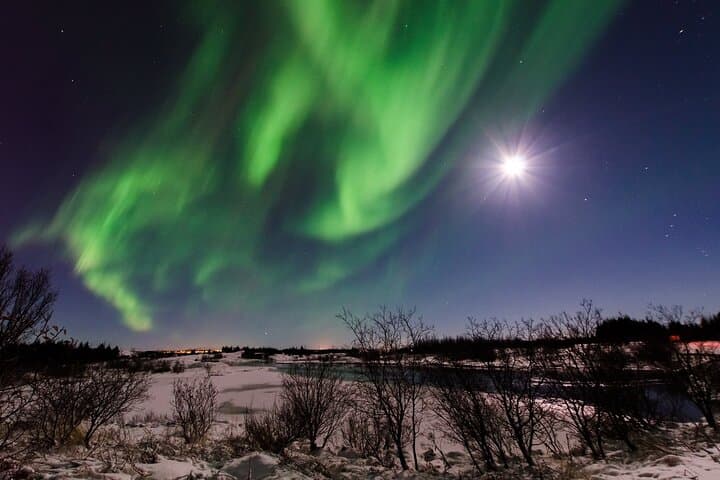
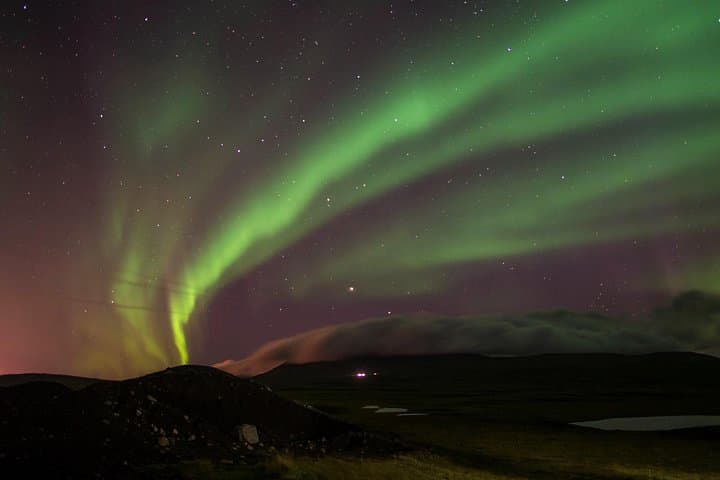
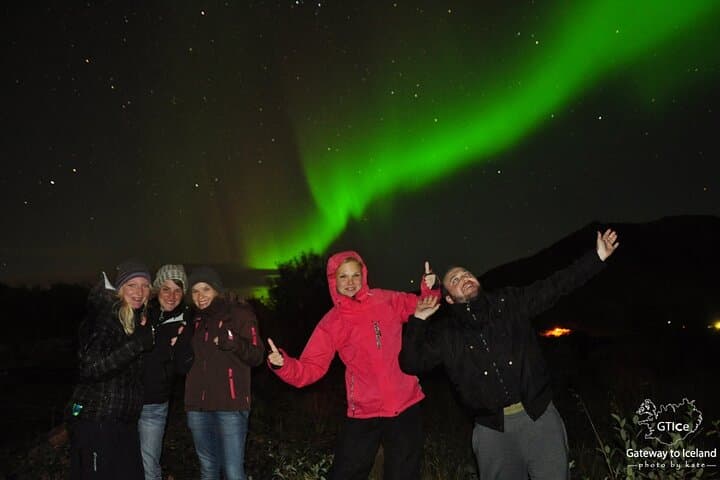
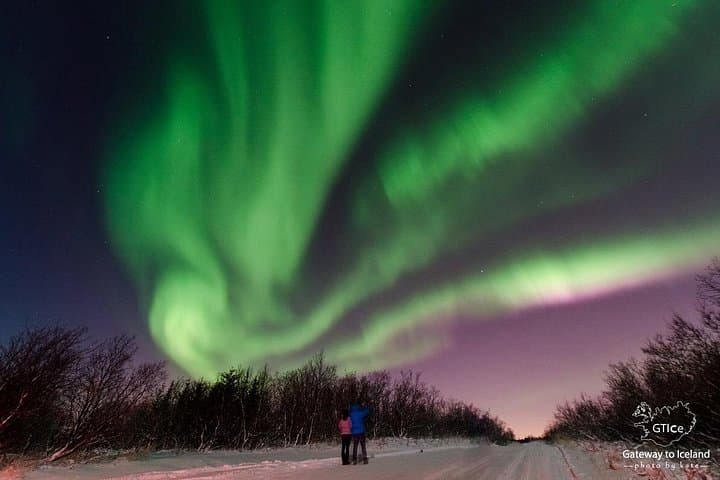
Under a low Arctic sky outside Reykjavík, a compact minibus slips onto coastal roads, headlights carving safe pockets of light while the black sea dares you to look up. Guides, experienced aurora hunters, monitor KP indices and cloud forecasts, ready to pivot toward clear horizons where green and violet curtains can suddenly unfurl.
Under a low Arctic sky outside Reykjavík, a compact minibus slips onto coastal roads, headlights carving safe pockets of light while the black sea dares you to look up. Guides, experienced aurora hunters, monitor KP indices and cloud forecasts, ready to pivot toward clear horizons where green and violet curtains can suddenly unfurl.
The aurora is physics you can see: charged solar particles colliding with Earth's upper atmosphere, most visible on dark nights when geomagnetic activity and clear skies align. The landscape around Reykjavík—recent lava fields, glacially scoured coasts and low rolling farmlands—creates wide, unobstructed sky windows favored by small-group tours that can stop off paved shoulders and coastal headlands.
Icelandic culture mixes scientific observation with folklore; locals record sightings and respect the unpredictable mood of the north. Operators on minibuses prioritize flexibility—short drives to darker spots, heated seats, hot drinks and live commentary—keeping groups small to access roads larger coaches can’t.
Practicalities: expect a 3–4 hour outing from central Reykjavík that may run late into the night. Weather can change fast; bring insulated, waterproof layers, warm footwear and a compact tripod if you want long-exposure photos. Be prepared to stand on icy or gravel ground for stretches, and trust guides who time stops to maximize sky time. Above all, pack patience—sometimes the sky waits a while, then rewards you with movement that feels alive.