THE ADVENTURE COLLECTIVE® · Independent discovery and booking for outdoor travel

Explore Chartres with a storyteller-guide in this private three-hour walking tour. Unpack the cathedral’s stained glass, labyrinth, and medieval streets through lively history and attentive restoration insights.
Explore Chartres with a storyteller-guide in this private three-hour walking tour. Unpack the cathedral’s stained glass, labyrinth, and medieval streets through lively history and attentive restoration insights.
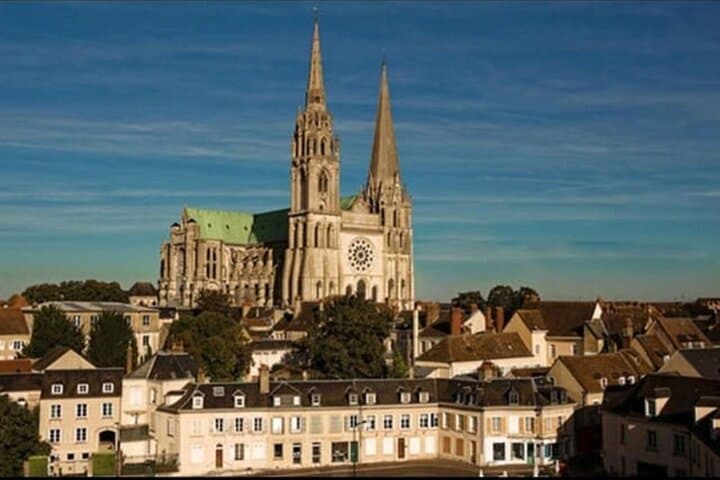
You step out of the modern square and into a stone conversation that has been happening for eight centuries: the west façade of Notre-Dame de Chartres looms, a wall of sculpted storytellers and weather-worn saints that seem to lean in and listen. Light filters through vast stained glass like translated scripture—colors that still narrate markets, miracles and the daily rhythm of medieval life.
Verified experiences and guided adventures in the surrounding area.
Operated by Ad Vitam - créateur de souvenirs · Chartres, Centre-Val de Loire
You step out of the modern square and into a stone conversation that has been happening for eight centuries: the west façade of Notre-Dame de Chartres looms, a wall of sculpted storytellers and weather-worn saints that seem to lean in and listen. Light filters through vast stained glass like translated scripture—colors that still narrate markets, miracles and the daily rhythm of medieval life.
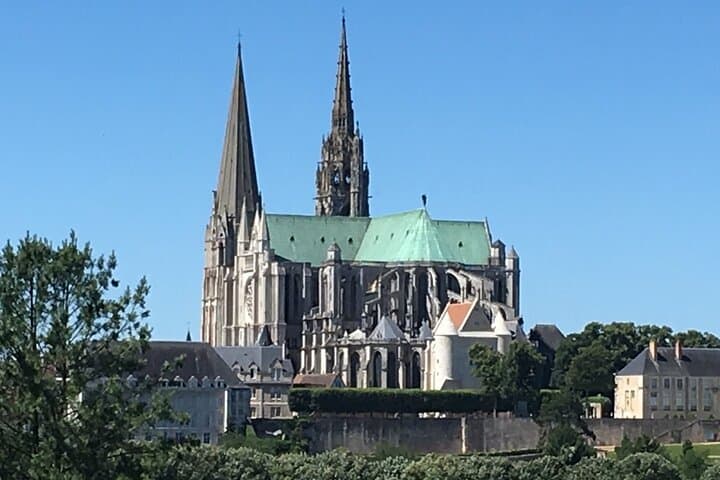
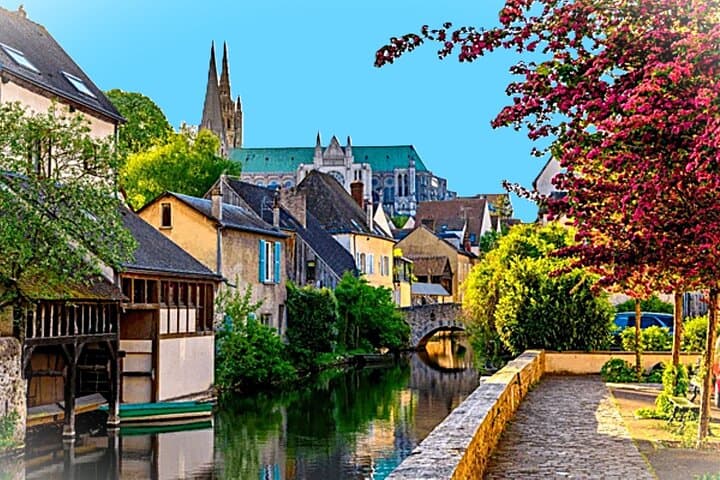
Built on a plateau of Beauce limestone, Chartres Cathedral rose quickly in the 12th and 13th centuries, its architecture driven by evolving Gothic engineering and a town shaped by pilgrimage routes. The building’s blue and gold windows survive as visual sermons; the labyrinth on the nave floor invites a quiet pilgrimage of its own. Outside, Chartres' half-timbered streets and timber-framed houses recall the commerce and craft that supported the cathedral’s building campaigns.
A private Ad Vitam guide frames these features as lived human stories—pilgrims, masons, bishops—while pointing out restoration choices that returned frescoes and stained glass to near-original vibrance. Expect lively storytelling, historical context and attention to architectural detail rather than a rushed checklist.
Practical guidance: the walking tour is about three hours on mostly paved streets and cathedral steps; wear supportive shoes and allow time for photos. The cathedral is wheelchair accessible in many areas but historic thresholds can be uneven. Morning visits bring softer light through the west windows; late afternoon often means fewer crowds in the old town. Bring a small water bottle, a compact umbrella in spring and fall, and a sense of patience—Chartres rewards slow looking.
easy.
3 hours.
Suitable for most fitness levels—requires standing and gentle walking for up to three hours.
This private tour provides guided interpretation but typically does not include paid special-access tickets; standard cathedral entry is free, though some areas or exhibitions may charge separately.
Many parts of the site are wheelchair-accessible and the operator notes stroller access, but some historic thresholds can be uneven—confirm specific access needs at booking.
The experience is private with a maximum capacity listed around 30 for personalized attention, though bookings can vary so check the exact group size when reserving.
Yes—Ad Vitam guides are storytellers and historians who can adapt emphasis to architecture, stained glass iconography, or local legends on request.
Chartres grew wealthy along medieval pilgrimage routes; the cathedral’s relic of the Sancta Camisa made it a major pilgrimage destination in the Middle Ages.
Extensive restoration over recent decades has aimed to preserve original stained glass and stonework; visitors are asked to minimize handling and follow marked paths to protect fragile surfaces.
Ad Vitam - créateur de souvenirs operates guided outdoor trips and adventures with an emphasis on safety, stewardship, and memorable experiences.
You step out of the modern square and into a stone conversation that has been happening for eight centuries: the west façade of Notre-Dame de Chartres looms, a wall of sculpted storytellers and weather-worn saints that seem to lean in and listen. Light filters through vast stained glass like translated scripture—colors that still narrate markets, miracles and the daily rhythm of medieval life.
You step out of the modern square and into a stone conversation that has been happening for eight centuries: the west façade of Notre-Dame de Chartres looms, a wall of sculpted storytellers and weather-worn saints that seem to lean in and listen. Light filters through vast stained glass like translated scripture—colors that still narrate markets, miracles and the daily rhythm of medieval life.
Built on a plateau of Beauce limestone, Chartres Cathedral rose quickly in the 12th and 13th centuries, its architecture driven by evolving Gothic engineering and a town shaped by pilgrimage routes. The building’s blue and gold windows survive as visual sermons; the labyrinth on the nave floor invites a quiet pilgrimage of its own. Outside, Chartres' half-timbered streets and timber-framed houses recall the commerce and craft that supported the cathedral’s building campaigns.
A private Ad Vitam guide frames these features as lived human stories—pilgrims, masons, bishops—while pointing out restoration choices that returned frescoes and stained glass to near-original vibrance. Expect lively storytelling, historical context and attention to architectural detail rather than a rushed checklist.
Practical guidance: the walking tour is about three hours on mostly paved streets and cathedral steps; wear supportive shoes and allow time for photos. The cathedral is wheelchair accessible in many areas but historic thresholds can be uneven. Morning visits bring softer light through the west windows; late afternoon often means fewer crowds in the old town. Bring a small water bottle, a compact umbrella in spring and fall, and a sense of patience—Chartres rewards slow looking.