THE ADVENTURE COLLECTIVE® · Independent discovery and booking for outdoor travel

Spend a lively six hours at Guadalajara’s Lienzo Charro learning charrería basics, tasting Blanco, Reposado and Añejo tequila, and finishing with mariachi and dinner in Tlaquepaque. Expect guided horseback time, cultural context, and a lively finish at El Parian.
Spend a lively six hours at Guadalajara’s Lienzo Charro learning charrería basics, tasting Blanco, Reposado and Añejo tequila, and finishing with mariachi and dinner in Tlaquepaque. Expect guided horseback time, cultural context, and a lively finish at El Parian.
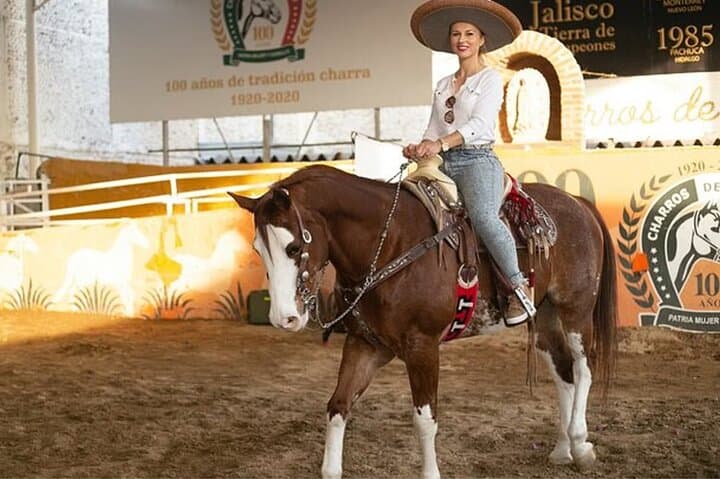
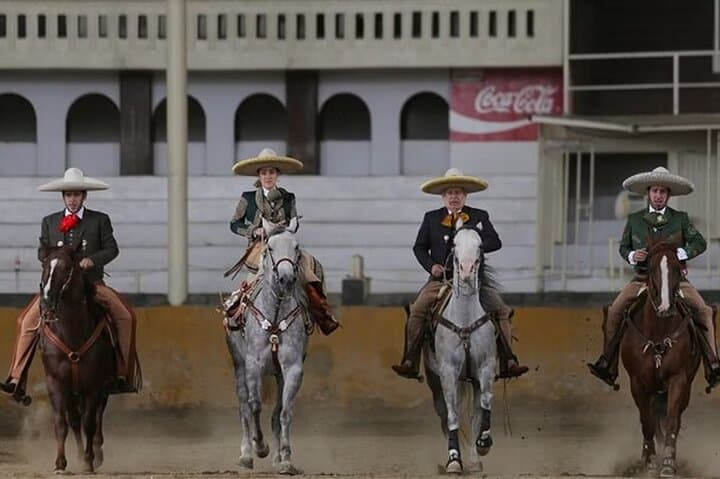
The sun slants low over the Lienzo Charro as you step from an air‑conditioned van into a space where horses and history meet. The dirt ring holds the rhythm of charrería—saddles creak, boots scuff, and the breeze from nearby agave fields seems to urge the next run. You’ll feel the pulse of Jalisco immediately: mariachi strains, the sharp click of spurs, and the smell of leather and citrus in the air.
Verified experiences and guided adventures in the surrounding area.
Operated by Koyote · Guadalajara, Jalisco
The sun slants low over the Lienzo Charro as you step from an air‑conditioned van into a space where horses and history meet. The dirt ring holds the rhythm of charrería—saddles creak, boots scuff, and the breeze from nearby agave fields seems to urge the next run. You’ll feel the pulse of Jalisco immediately: mariachi strains, the sharp click of spurs, and the smell of leather and citrus in the air.
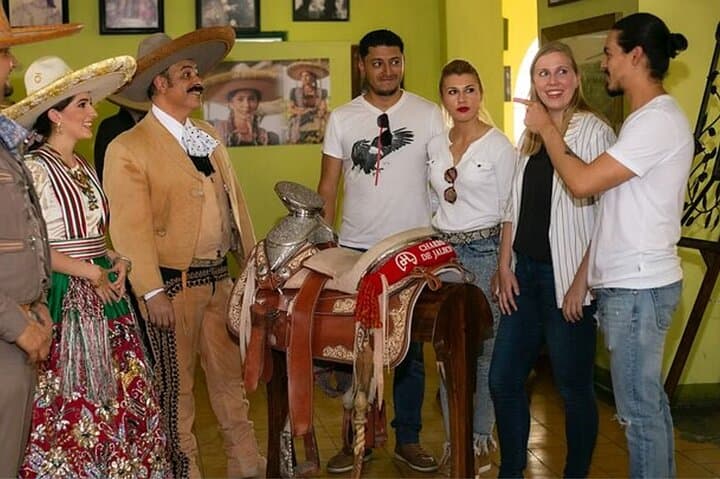
Charrería evolved from colonial-era hacienda ranch work and became Mexico’s national sport; the Lienzo Charro Jalisco has carried that tradition for over a century. Tlaquepaque, an artisan district just south of Guadalajara, grew from pottery and found a voice in mariachi and regional cuisine. Tequila itself starts in the blue agave fields of Jalisco—plant stalks push skyward like silent sentries—and tasting Blanco, Reposado, and Añejo reveals how oak and time change the spirit.
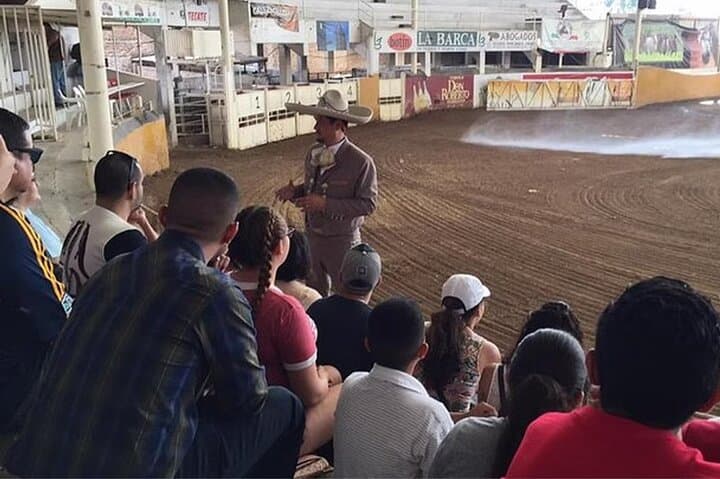
Practically: this is a shared, roughly 6‑hour cultural‑adventure. Expect light horseback time and a supervised calf‑roping introduction—no advanced riding skills required but a basic level of balance and coordination helps. Bring photo ID for the tasting (18+), closed‑toe shoes for the llanera, a sun hat, and a small daypack. Hydrate before mounting; alcohol after activity is moderated by guides. The afternoon schedule usually ends in El Parian de Tlaquepaque for food and live mariachi.
Timing, respect, and curiosity make the day work: arrive with a readiness to learn, tip performers and guides fairly, and leave room in your itinerary to wander Tlaquepaque’s galleries and cobbled streets afterward.
moderate.
6 hours.
Moderate—able to mount a horse, stand for short periods, and walk on uneven ground.
No advanced experience is necessary—guides provide basic instruction for horseback and calf‑roping activities, but you should be comfortable sitting in a saddle and following directions.
Yes; the tasting of Blanco, Reposado and Añejo is included and limited to guests 18 years or older—bring valid ID.
Private, air‑conditioned transportation is included from designated pickup points within Guadalajara—pick a confirmed pickup when booking.
It is not recommended for pregnant travelers or people with spinal injuries due to riding and dynamic movements in the arena.
Charrería grew from livestock work on colonial ranches and was codified into competitive events in the 19th and 20th centuries; the Lienzo Charro Jalisco is a historic hub for that tradition.
Tequila production affects local agave populations and soils—support small producers when possible and respect agave fields and private farmland when visiting.
Koyote operates guided outdoor trips and adventures with an emphasis on safety, stewardship, and memorable experiences.
The sun slants low over the Lienzo Charro as you step from an air‑conditioned van into a space where horses and history meet. The dirt ring holds the rhythm of charrería—saddles creak, boots scuff, and the breeze from nearby agave fields seems to urge the next run. You’ll feel the pulse of Jalisco immediately: mariachi strains, the sharp click of spurs, and the smell of leather and citrus in the air.
The sun slants low over the Lienzo Charro as you step from an air‑conditioned van into a space where horses and history meet. The dirt ring holds the rhythm of charrería—saddles creak, boots scuff, and the breeze from nearby agave fields seems to urge the next run. You’ll feel the pulse of Jalisco immediately: mariachi strains, the sharp click of spurs, and the smell of leather and citrus in the air.
Charrería evolved from colonial-era hacienda ranch work and became Mexico’s national sport; the Lienzo Charro Jalisco has carried that tradition for over a century. Tlaquepaque, an artisan district just south of Guadalajara, grew from pottery and found a voice in mariachi and regional cuisine. Tequila itself starts in the blue agave fields of Jalisco—plant stalks push skyward like silent sentries—and tasting Blanco, Reposado, and Añejo reveals how oak and time change the spirit.
Practically: this is a shared, roughly 6‑hour cultural‑adventure. Expect light horseback time and a supervised calf‑roping introduction—no advanced riding skills required but a basic level of balance and coordination helps. Bring photo ID for the tasting (18+), closed‑toe shoes for the llanera, a sun hat, and a small daypack. Hydrate before mounting; alcohol after activity is moderated by guides. The afternoon schedule usually ends in El Parian de Tlaquepaque for food and live mariachi.
Timing, respect, and curiosity make the day work: arrive with a readiness to learn, tip performers and guides fairly, and leave room in your itinerary to wander Tlaquepaque’s galleries and cobbled streets afterward.