THE ADVENTURE COLLECTIVE® · Independent discovery and booking for outdoor travel

Experience the sensation of free fall without an airplane at iFLY Charlotte. Two instructor-guided flights, a safety briefing, and a personalized certificate make this a quick, high-adrenaline indoor adventure.
Experience the sensation of free fall without an airplane at iFLY Charlotte. Two instructor-guided flights, a safety briefing, and a personalized certificate make this a quick, high-adrenaline indoor adventure.
You step into a cavern of controlled wind where the air itself holds you. The tunnel at iFLY Charlotte hums like a contained storm, instructors moving with practiced calm as they guide first-timers into an impossible float. For 75 minutes from check-in to finish, the city’s bustle falls away and the sensation of free fall is compressed into short, repeatable flights.
Verified experiences and guided adventures in the surrounding area.
Operated by iFLY Indoor Skydiving · Charlotte, North Carolina
You step into a cavern of controlled wind where the air itself holds you. The tunnel at iFLY Charlotte hums like a contained storm, instructors moving with practiced calm as they guide first-timers into an impossible float. For 75 minutes from check-in to finish, the city’s bustle falls away and the sensation of free fall is compressed into short, repeatable flights.
Indoor skydiving is modern engineering grafted onto the dream of flight. Vertical wind tunnels trace back to aerodynamic testing in the mid-20th century; today’s entertainment tunnels borrow that technology and put safety and instruction at the center. Charlotte sits on the Piedmont plateau—rolling hills of metamorphic rock that fed a 19th-century local gold rush—so the region’s history is a practical, industrious one rather than a mountain-sport pedigree.
The experience is social and procedural: a short safety briefing, suit-up, instructor-led entry into the wind column and two flights with immediate feedback and a certificate to take home. Expect clear rules around weight (maximum ~300 lbs), age limits (children as young as 3 with guardian consent) and medical exclusions for neck, back or heart conditions.
Practical advice: arrive 10–15 minutes early, wear lace-up sneakers and comfortable pants, and bring ID and any required waiver signatures. Flights come in quick bursts—trust the instructor’s cues, keep hydrated, and treat each run as skill practice rather than a single thrill. For travelers wanting a high-adrenaline, low-altitude taste of skydiving without the airplane, this is efficient, repeatable, and accessible.
easy.
75 minutes.
Moderate fitness recommended—short bursts require core strength and the ability to follow physical instructions.
No—indoor skydiving is designed for beginners; certified instructors provide on-site training and guidance during flights.
Minimum age is typically 3 years; weight limits vary by location but are generally capped at 300 lbs with additional screening for 260–300 lbs.
Wear comfortable, close-fitting clothes and lace-up sneakers; flight suits and helmets are provided by the facility.
Most locations allow cancellations with full refund at least 24 hours in advance; contact the facility directly to reschedule.
The vertical wind tunnel used for indoor skydiving evolved from mid-20th-century aerodynamic testing; entertainment-style tunnels were popularized in the 1990s and 2000s to simulate free fall safely.
Wind tunnels are electricity-intensive; choose operators who invest in efficient motors and local sustainability practices, and minimize single-use plastics when visiting the facility.
iFLY Indoor Skydiving operates guided outdoor trips and adventures with an emphasis on safety, stewardship, and memorable experiences.
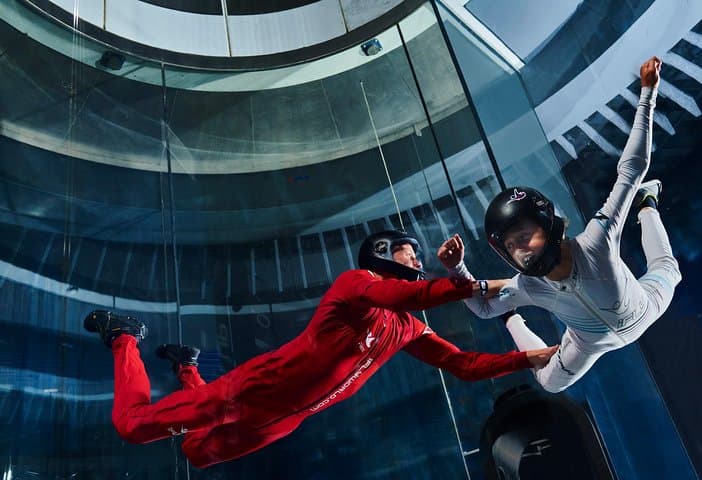
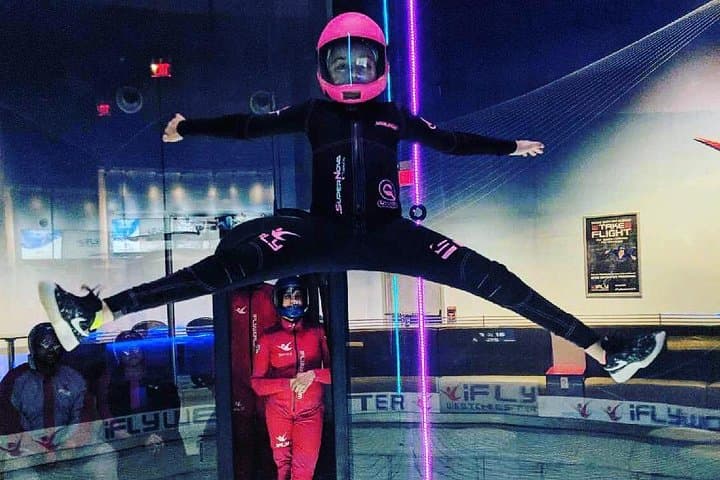
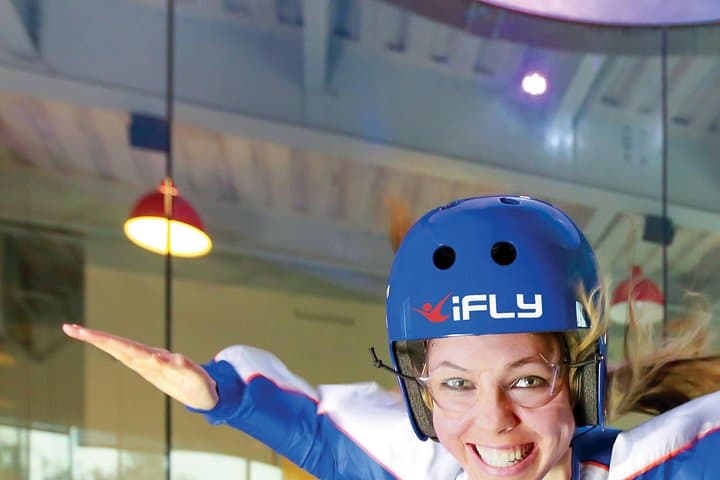
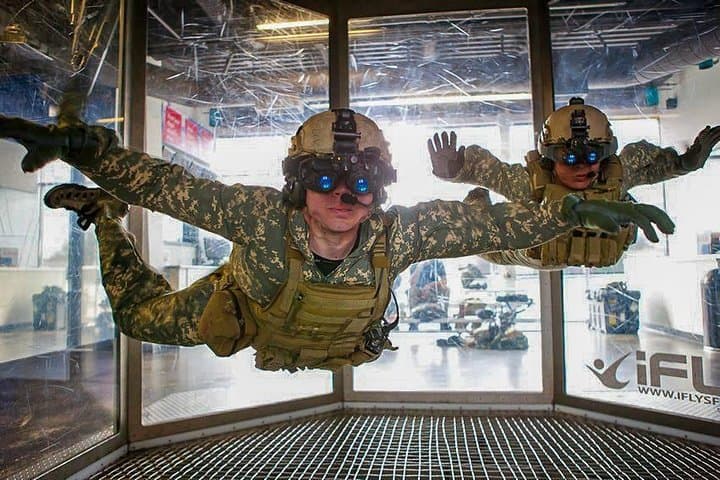
You step into a cavern of controlled wind where the air itself holds you. The tunnel at iFLY Charlotte hums like a contained storm, instructors moving with practiced calm as they guide first-timers into an impossible float. For 75 minutes from check-in to finish, the city’s bustle falls away and the sensation of free fall is compressed into short, repeatable flights.
You step into a cavern of controlled wind where the air itself holds you. The tunnel at iFLY Charlotte hums like a contained storm, instructors moving with practiced calm as they guide first-timers into an impossible float. For 75 minutes from check-in to finish, the city’s bustle falls away and the sensation of free fall is compressed into short, repeatable flights.
Indoor skydiving is modern engineering grafted onto the dream of flight. Vertical wind tunnels trace back to aerodynamic testing in the mid-20th century; today’s entertainment tunnels borrow that technology and put safety and instruction at the center. Charlotte sits on the Piedmont plateau—rolling hills of metamorphic rock that fed a 19th-century local gold rush—so the region’s history is a practical, industrious one rather than a mountain-sport pedigree.
The experience is social and procedural: a short safety briefing, suit-up, instructor-led entry into the wind column and two flights with immediate feedback and a certificate to take home. Expect clear rules around weight (maximum ~300 lbs), age limits (children as young as 3 with guardian consent) and medical exclusions for neck, back or heart conditions.
Practical advice: arrive 10–15 minutes early, wear lace-up sneakers and comfortable pants, and bring ID and any required waiver signatures. Flights come in quick bursts—trust the instructor’s cues, keep hydrated, and treat each run as skill practice rather than a single thrill. For travelers wanting a high-adrenaline, low-altitude taste of skydiving without the airplane, this is efficient, repeatable, and accessible.