THE ADVENTURE COLLECTIVE® · Independent discovery and booking for outdoor travel

Walk Charleston’s historic streets while learning about the women who shaped the city’s politics, business and culture. This two-hour tour mixes archival stories with two wine-bar stops (drinks not included) across roughly 1.5 miles of uneven sidewalks.
Walk Charleston’s historic streets while learning about the women who shaped the city’s politics, business and culture. This two-hour tour mixes archival stories with two wine-bar stops (drinks not included) across roughly 1.5 miles of uneven sidewalks.
A warm breeze pushes salt and citrus through Charleston's Market Street as the group gathers outside Well Hung Vineyard, glasses still clinking from the morning crowd. The tour moves at a conversational pace: cobblestones, narrow alleys, and painted row houses frame stories of women who shaped the city's public life and private commerce. The Cooper and Ashley rivers hover at the edge of the walk, tidal currents almost daring you to follow the city's maritime rhythm.
Verified experiences and guided adventures in the surrounding area.
Operated by Native Charleston Tours · Charleston, South Carolina
A warm breeze pushes salt and citrus through Charleston's Market Street as the group gathers outside Well Hung Vineyard, glasses still clinking from the morning crowd. The tour moves at a conversational pace: cobblestones, narrow alleys, and painted row houses frame stories of women who shaped the city's public life and private commerce. The Cooper and Ashley rivers hover at the edge of the walk, tidal currents almost daring you to follow the city's maritime rhythm.
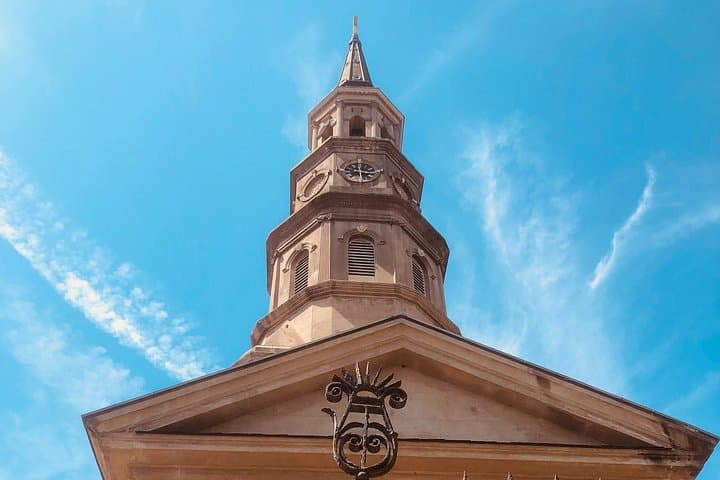
Charleston's history is visible in ironwork, churchyards, and stately homes — places where women ran households, launched businesses, led reform movements and, during Prohibition, found creative ways to keep conversation and commerce alive. The route passes the Four Corners of Law, Heyward-Washington House, and several French Quarter façades that trace migration, religious conflict, and economic change across the Lowcountry's sandy soil and marsh-edge economy. Local culture here blends Gullah influences, port history, and a still-evolving civic memory that foregrounds female leaders often left out of older guides.
Practically, this is a two-hour walk covering roughly 1.5 miles across uneven sidewalks and occasional steps. Guides are licensed locals who pair archival anecdotes with modern storefront stops — drinks are available but not included. Expect 10–15 minute pauses at primary sites, shorter pass-bys at others, and a final stop less than three blocks from the start.
Bring a valid ID, comfortable shoes, sun protection and a refillable bottle. Tours run best in the morning or late afternoon to avoid peak summer heat; small groups make conversation easy and photos cleaner. This is a compact, urban exploration that rewards curiosity and a willingness to listen to the city’s overlooked voices.
easy.
2 hours.
Suitable for most travelers who can walk 1.5 miles on uneven urban sidewalks; not strenuous but requires steady balance.
No — guests may purchase wine, beer or cocktails at the partner establishments; tour price covers the guide and the walking itinerary.
The meeting point is Well Hung Vineyard on South Market Street (between Church and State); the tour ends within three blocks of the start.
The tour covers uneven sidewalks and short flights of steps; guests with mobility concerns should check with the operator.
Participants must be 21 or older to join because the experience includes stops at establishments that serve alcohol.
Charleston’s public spaces and private homes reflect colonial trade, Gullah culture and a long history of civic activism; women played key roles in abolition-era networks and in rebuilding civic life after storms and war.
Preserving historic fabric means staying on sidewalks, respecting private property and supporting local, female-owned businesses; small purchases at partner bars help sustain the tour’s community partners.
Native Charleston Tours operates guided outdoor trips and adventures with an emphasis on safety, stewardship, and memorable experiences.
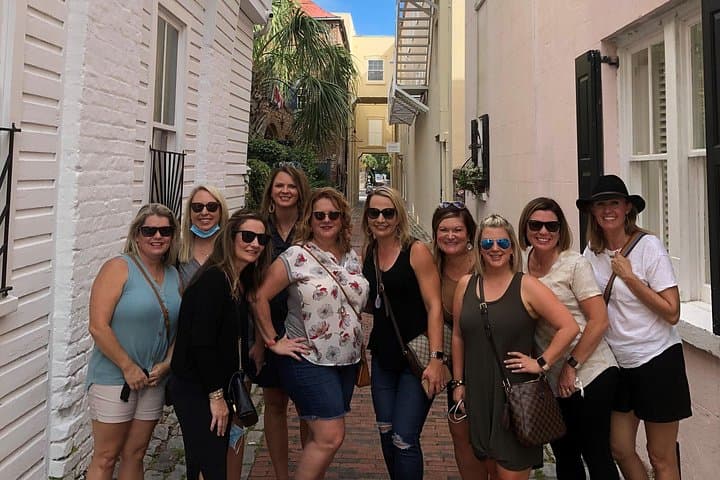
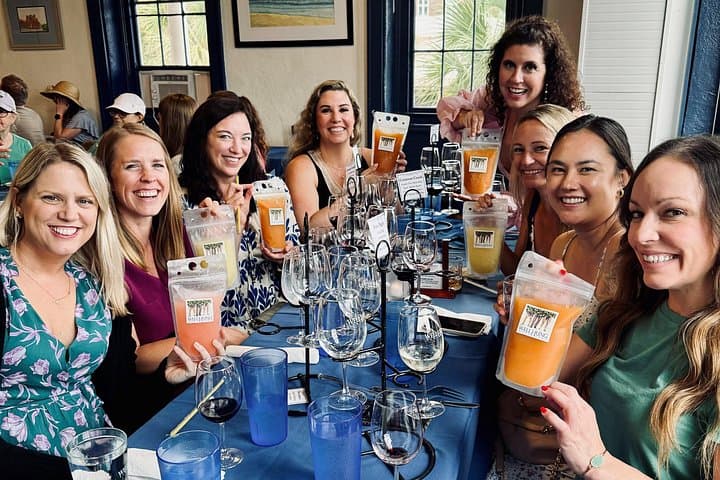

A warm breeze pushes salt and citrus through Charleston's Market Street as the group gathers outside Well Hung Vineyard, glasses still clinking from the morning crowd. The tour moves at a conversational pace: cobblestones, narrow alleys, and painted row houses frame stories of women who shaped the city's public life and private commerce. The Cooper and Ashley rivers hover at the edge of the walk, tidal currents almost daring you to follow the city's maritime rhythm.
A warm breeze pushes salt and citrus through Charleston's Market Street as the group gathers outside Well Hung Vineyard, glasses still clinking from the morning crowd. The tour moves at a conversational pace: cobblestones, narrow alleys, and painted row houses frame stories of women who shaped the city's public life and private commerce. The Cooper and Ashley rivers hover at the edge of the walk, tidal currents almost daring you to follow the city's maritime rhythm.
Charleston's history is visible in ironwork, churchyards, and stately homes — places where women ran households, launched businesses, led reform movements and, during Prohibition, found creative ways to keep conversation and commerce alive. The route passes the Four Corners of Law, Heyward-Washington House, and several French Quarter façades that trace migration, religious conflict, and economic change across the Lowcountry's sandy soil and marsh-edge economy. Local culture here blends Gullah influences, port history, and a still-evolving civic memory that foregrounds female leaders often left out of older guides.
Practically, this is a two-hour walk covering roughly 1.5 miles across uneven sidewalks and occasional steps. Guides are licensed locals who pair archival anecdotes with modern storefront stops — drinks are available but not included. Expect 10–15 minute pauses at primary sites, shorter pass-bys at others, and a final stop less than three blocks from the start.
Bring a valid ID, comfortable shoes, sun protection and a refillable bottle. Tours run best in the morning or late afternoon to avoid peak summer heat; small groups make conversation easy and photos cleaner. This is a compact, urban exploration that rewards curiosity and a willingness to listen to the city’s overlooked voices.