THE ADVENTURE COLLECTIVE® · Independent discovery and booking for outdoor travel

Walk Charleston through the lives of the women who built the city: a two-hour, accessible tour that reinterprets familiar landmarks with focused social history, museum stops, and local stories you won’t hear in a standard guidebook.
Walk Charleston through the lives of the women who built the city: a two-hour, accessible tour that reinterprets familiar landmarks with focused social history, museum stops, and local stories you won’t hear in a standard guidebook.
You step onto cobblestones that remember footsteps from three centuries: Magazine Street hums beneath your shoes, shutters throw afternoon shade, and the harbor wind seems to carry other people’s conversations. The guide gathers the group in front of the Old City Jail at 21 Magazine Street and the city begins to unfold through the lives of women who shaped it.
Verified experiences and guided adventures in the surrounding area.
Operated by Holy City History Tours · Charleston, South Carolina
You step onto cobblestones that remember footsteps from three centuries: Magazine Street hums beneath your shoes, shutters throw afternoon shade, and the harbor wind seems to carry other people’s conversations. The guide gathers the group in front of the Old City Jail at 21 Magazine Street and the city begins to unfold through the lives of women who shaped it.
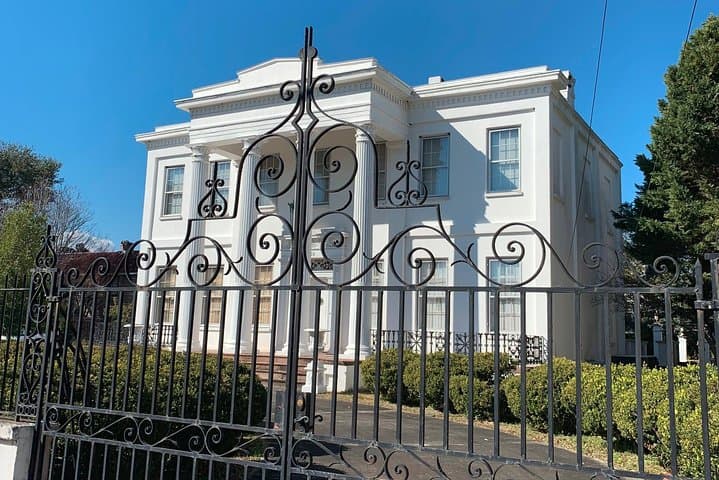
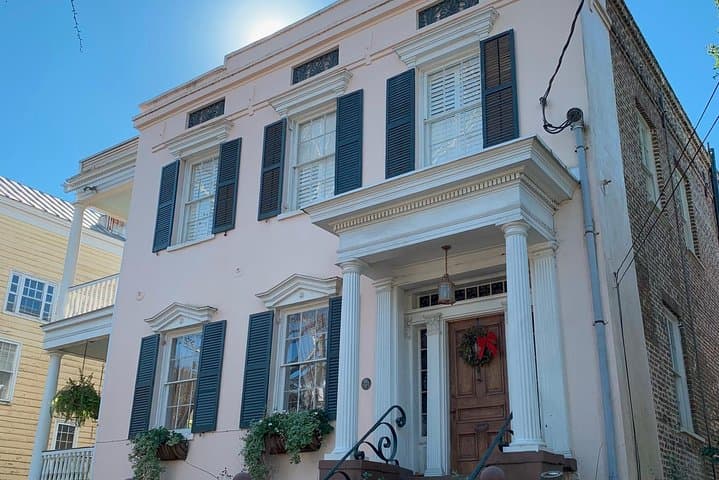
Charleston’s streets preserve layers of power and survival. From colonial-era property owners and female artisans to suffragists and shopkeepers, this tour reframes well-known landmarks through a matriarchal lens. Buildings and alleys tell geological and urban stories too—brick laid from local clay, reclaimed timber beams, and streets designed for foot and carriage rather than cars.
Expect stops at period homes, small museums, and the Halsey Gallery, with 120 minutes of walking paced for accessibility. Guides balance social history with micro-stories: the printer who taught literacy, the madam whose business influenced city norms, and debates around contested figures like the alleged female serial killer debated on site. The tour mixes cultural context with local color—how markets, docks, and religious institutions shaped women’s roles—and points out less-obvious details like inscription styles on grave markers or ironwork by regional craftsmen.
Practical tips: arrive 10 minutes early at the Old City Jail, carry a small water bottle, and wear comfortable shoes for uneven sidewalks. The route is wheelchair- and stroller-accessible but includes some narrow historic sidewalks; bring sun protection in summer and a light jacket in cooler months. Museums on the route are included, and groups are capped for a personal experience.
easy.
2 hours.
Suitable for most fitness levels; requires standing and walking up to two miles on city streets.
Yes; the operator lists the route as wheelchair- and stroller-accessible, though some historic sidewalks are narrow—alert the guide in advance for accommodations.
Yes; the tour includes entry to the Philip Simmons House and the Halsey Gallery as noted in the inclusions.
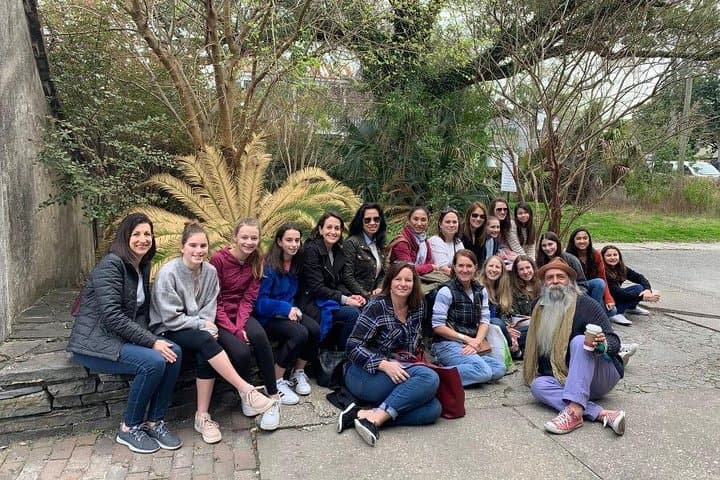
Group sizes are capped (up to about 20) to keep commentary conversational and visits manageable.
You can cancel for a full refund at least 24 hours before the scheduled start; tours may be canceled for bad weather or low enrollment.
Charleston’s urban fabric preserves strong female influence: women operated shops, managed plantations, and led reform movements that shaped civic life from the colonial period through Reconstruction.
The tour emphasizes low-impact visitation—stay on public paths, avoid touching historic fabric, and support local preservation efforts by following guide instructions.
Holy City History Tours operates guided outdoor trips and adventures with an emphasis on safety, stewardship, and memorable experiences.
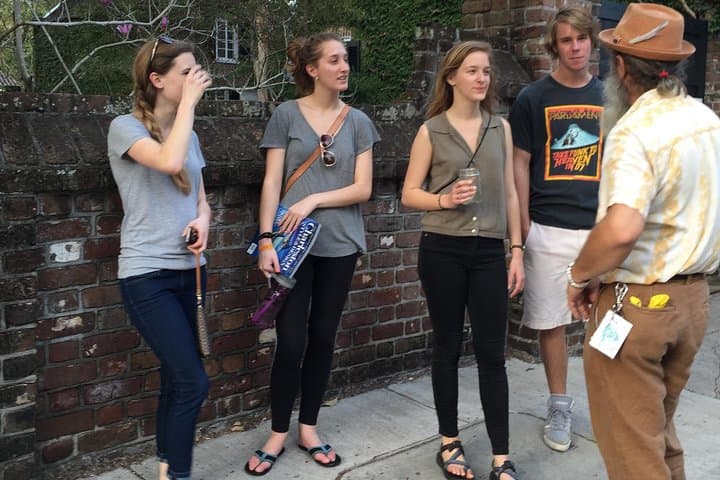
You step onto cobblestones that remember footsteps from three centuries: Magazine Street hums beneath your shoes, shutters throw afternoon shade, and the harbor wind seems to carry other people’s conversations. The guide gathers the group in front of the Old City Jail at 21 Magazine Street and the city begins to unfold through the lives of women who shaped it.
You step onto cobblestones that remember footsteps from three centuries: Magazine Street hums beneath your shoes, shutters throw afternoon shade, and the harbor wind seems to carry other people’s conversations. The guide gathers the group in front of the Old City Jail at 21 Magazine Street and the city begins to unfold through the lives of women who shaped it.
Charleston’s streets preserve layers of power and survival. From colonial-era property owners and female artisans to suffragists and shopkeepers, this tour reframes well-known landmarks through a matriarchal lens. Buildings and alleys tell geological and urban stories too—brick laid from local clay, reclaimed timber beams, and streets designed for foot and carriage rather than cars.
Expect stops at period homes, small museums, and the Halsey Gallery, with 120 minutes of walking paced for accessibility. Guides balance social history with micro-stories: the printer who taught literacy, the madam whose business influenced city norms, and debates around contested figures like the alleged female serial killer debated on site. The tour mixes cultural context with local color—how markets, docks, and religious institutions shaped women’s roles—and points out less-obvious details like inscription styles on grave markers or ironwork by regional craftsmen.
Practical tips: arrive 10 minutes early at the Old City Jail, carry a small water bottle, and wear comfortable shoes for uneven sidewalks. The route is wheelchair- and stroller-accessible but includes some narrow historic sidewalks; bring sun protection in summer and a light jacket in cooler months. Museums on the route are included, and groups are capped for a personal experience.