THE ADVENTURE COLLECTIVE® · Independent discovery and booking for outdoor travel

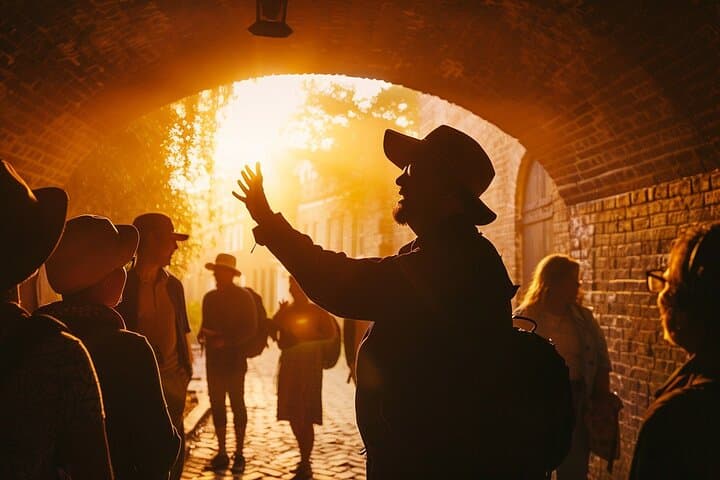
Walk Charleston’s oldest blocks by lantern light and hear licensed guides weave recorded history, maritime lore and well-known paranormal claims into a compact 60–70 minute route. Expect flat cobblestones, graveyards, and colonial architecture punctuated by local stories—perfect for history-minded night walkers.
Walk Charleston’s oldest blocks by lantern light and hear licensed guides weave recorded history, maritime lore and well-known paranormal claims into a compact 60–70 minute route. Expect flat cobblestones, graveyards, and colonial architecture punctuated by local stories—perfect for history-minded night walkers.
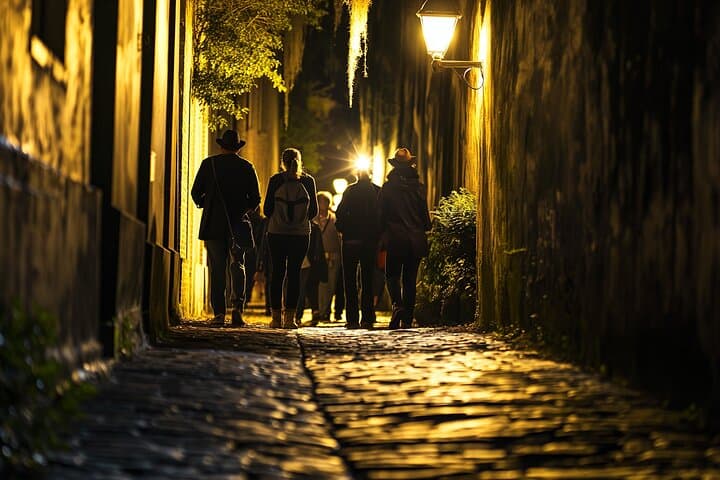
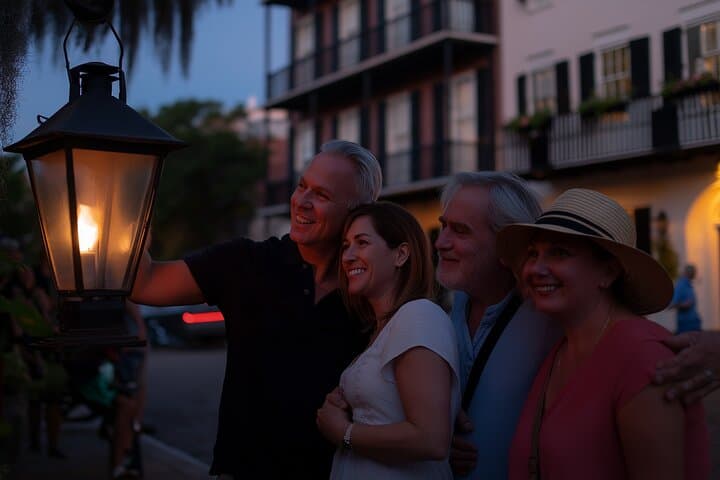
The night in Charleston tightens like a held breath: gaslight flickers along narrow streets, Spanish moss brushes lantern halos, and the cobbles click beneath small-group footsteps. Beginning at North Market Street, the guide threads you through alleys and graveyards where colonial law, piracy and civil conflict left sharp echoes in brick and bone.
Verified experiences and guided adventures in the surrounding area.
Operated by Ghosts of the South · Charleston, South Carolina
The night in Charleston tightens like a held breath: gaslight flickers along narrow streets, Spanish moss brushes lantern halos, and the cobbles click beneath small-group footsteps. Beginning at North Market Street, the guide threads you through alleys and graveyards where colonial law, piracy and civil conflict left sharp echoes in brick and bone.
Charleston's history is plain and complicated—one of the oldest port cities in North America, shaped by plantation wealth, maritime trade and a tangled legacy of slavery and law. Geologically the city sits on the Atlantic Coastal Plain: low, flat, and prone to tides that pushed the early city into slightly higher ground, leaving old burial plots and brick streets clustered together. Cultural layers come through in the architecture and in local stories: Gullah traditions, Revolutionary-era records, and maritime folklore (including accounts tied to pirates like Blackbeard) mingle in the tour narrative.
Expect a focused, 60–70 minute walk on flat, well-lit streets and short cemetery paths. The experience is story-driven: licensed guides point out historic markers, documented sites, and where vintage photos and modern investigators made notable observations—framed as documented lore rather than scientific proof. Practical notes: wear sturdy shoes for cobbles, bring a light jacket for coastal breezes, and plan for slow pacing with frequent stops. Tours fill in October; book early and allow 24-hour cancellation. Cameras and curiosity are welcome; keep voices low in cemetery areas and respect private property. This is an urban night walk that pairs local history with atmospheric places—ideal for curious travelers who want history with a spine-tingle.
easy.
1–1.5 hours.
Minimal fitness required—suitable for most visitors comfortable with standing and short walking intervals.
The tour runs about 60–70 minutes and covers roughly 3–4 city blocks of slow-paced walking on flat surfaces and short cemetery paths.
Yes—this is a low-intensity walk with frequent stops; it is stroller and wheelchair accessible on the main route, but check with the operator about specific cemetery surfaces.
Guides are local historians and investigators rather than actors; they present documented history, local lore and well-known paranormal claims framed as accounts and evidence collected over time.
Free cancellation is available up to 24 hours before departure for a full refund; check your booking confirmation for exact terms.
Charleston grew as a colonial port and plantation hub; its downtown holds layers of Revolutionary, antebellum and maritime history, including documented pirate activity and early judicial records tied to Judge Nicholas Trott.
Tour operators emphasize staying on sidewalks and designated paths to protect fragile gravestones and historic fabric; keep noise low and pack out any trash to reduce wear on sensitive sites.
Ghosts of the South operates guided outdoor trips and adventures with an emphasis on safety, stewardship, and memorable experiences.

The night in Charleston tightens like a held breath: gaslight flickers along narrow streets, Spanish moss brushes lantern halos, and the cobbles click beneath small-group footsteps. Beginning at North Market Street, the guide threads you through alleys and graveyards where colonial law, piracy and civil conflict left sharp echoes in brick and bone.
The night in Charleston tightens like a held breath: gaslight flickers along narrow streets, Spanish moss brushes lantern halos, and the cobbles click beneath small-group footsteps. Beginning at North Market Street, the guide threads you through alleys and graveyards where colonial law, piracy and civil conflict left sharp echoes in brick and bone.
Charleston's history is plain and complicated—one of the oldest port cities in North America, shaped by plantation wealth, maritime trade and a tangled legacy of slavery and law. Geologically the city sits on the Atlantic Coastal Plain: low, flat, and prone to tides that pushed the early city into slightly higher ground, leaving old burial plots and brick streets clustered together. Cultural layers come through in the architecture and in local stories: Gullah traditions, Revolutionary-era records, and maritime folklore (including accounts tied to pirates like Blackbeard) mingle in the tour narrative.
Expect a focused, 60–70 minute walk on flat, well-lit streets and short cemetery paths. The experience is story-driven: licensed guides point out historic markers, documented sites, and where vintage photos and modern investigators made notable observations—framed as documented lore rather than scientific proof. Practical notes: wear sturdy shoes for cobbles, bring a light jacket for coastal breezes, and plan for slow pacing with frequent stops. Tours fill in October; book early and allow 24-hour cancellation. Cameras and curiosity are welcome; keep voices low in cemetery areas and respect private property. This is an urban night walk that pairs local history with atmospheric places—ideal for curious travelers who want history with a spine-tingle.