THE ADVENTURE COLLECTIVE® · Independent discovery and booking for outdoor travel

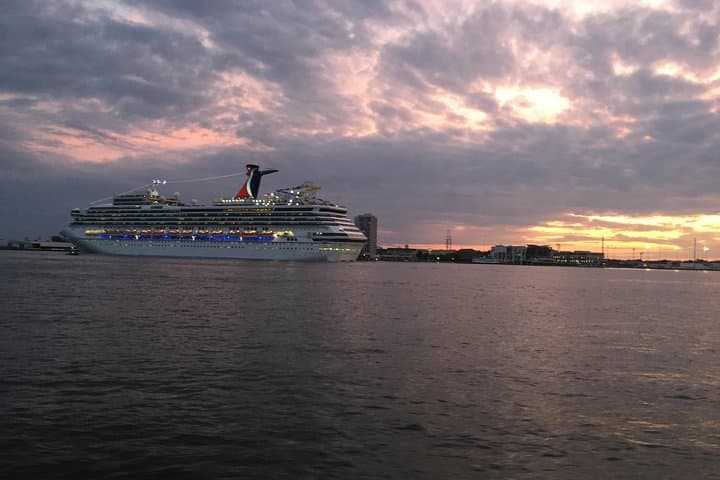
Glide beneath the Arthur Ravenel Jr. Bridge as the Charleston skyline darkens and dolphins play at the bow. This two-hour sunset cruise offers waterfront views of Fort Sumter, lighthouses and the Battery — perfect for photographers and casual explorers.
Glide beneath the Arthur Ravenel Jr. Bridge as the Charleston skyline darkens and dolphins play at the bow. This two-hour sunset cruise offers waterfront views of Fort Sumter, lighthouses and the Battery — perfect for photographers and casual explorers.
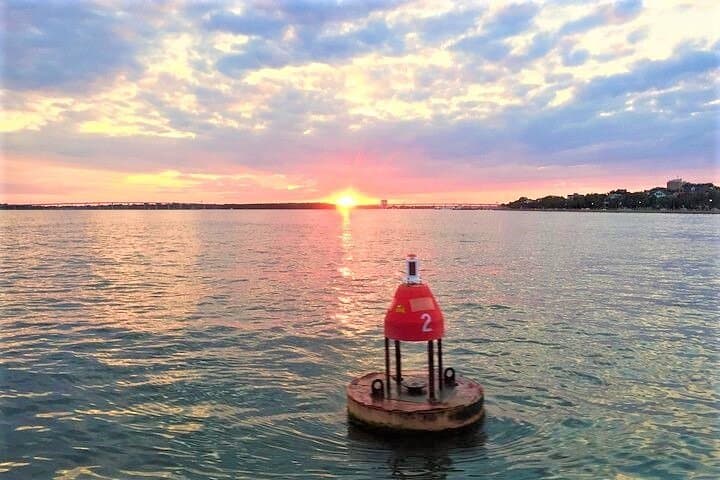
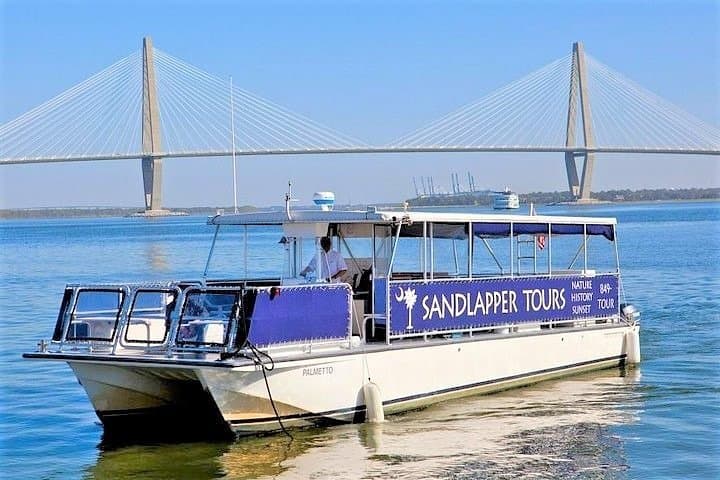
The hull cuts through low tide glass as steeples blacken against a widening band of orange — the 45-foot power catamaran eases out of the Charleston Maritime Center and the city recedes into postcard silhouettes. Dolphins arc at the bows while shorebirds quarter the marsh edges, and the Arthur Ravenel Jr. Bridge looms overhead before you pass beneath it.
Verified experiences and guided adventures in the surrounding area.
Operated by Sandlapper Water Tours · Charleston, South Carolina
The hull cuts through low tide glass as steeples blacken against a widening band of orange — the 45-foot power catamaran eases out of the Charleston Maritime Center and the city recedes into postcard silhouettes. Dolphins arc at the bows while shorebirds quarter the marsh edges, and the Arthur Ravenel Jr. Bridge looms overhead before you pass beneath it.
Charleston Harbor is layered history: a working estuary carved by tidal currents, an entry point for colonial trade, and the scene of the Civil War’s opening shot at Fort Sumter. Geologically, the harbor sits where sand from longshore drift meets river sediments, creating barrier islands, marsh fringes and shoals that shape the channel you cruise.
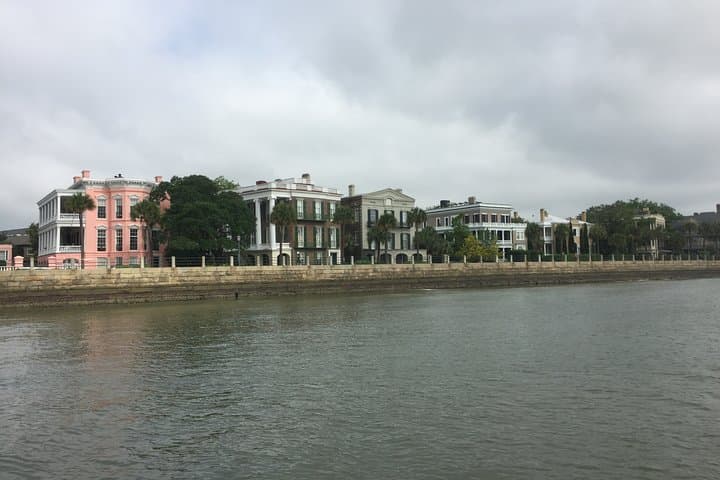
Culture here is maritime — shrimpers, oyster racks and lighthouse keepers left marks on local rhythms. From the water you’ll see the Battery’s stately mansions, remote lighthouse silhouettes (Morris Island) and the low, grassy marsh islands that make up the city’s living coastline.
Practical notes: this is a roughly two-hour, non-guided sunset cruise; captain and mate can answer questions but there’s no formal narration. Boarding at 10 Wharfside Street (Charleston Maritime Center) means plan for paid parking or a short walk from nearby garages. Dress in layers — the wind off the harbor cools quickly after sunset. Bring a camera with a steady strap, expect light alcohol service for purchase, and be mindful: feeding wildlife is harmful and prohibited.
Arrive 20–30 minutes early for check-in, secure loose items on deck, and pick a seat on the windward rail if you want close dolphin encounters. The cruise is an easy, scenic way to see Charleston’s waterfront from the water at dusk.
easy.
2 hours.
Suitable for all fitness levels; requires basic mobility for boarding a small catamaran
The cruise runs approximately 2 hours from scheduled departure to return to Charleston Maritime Center.
No — this is not a narrated tour, though the captain and mate can answer questions informally during the cruise.
Soft drinks, beer and wine are available for purchase aboard the vessel; outside alcohol is typically not permitted.
Full refunds are available if cancelled at least 24 hours before the scheduled departure; in severe weather the operator may cancel.
Charleston Harbor was the port of colonial trade and the site of Fort Sumter, where the Civil War began in 1861; its waterways shaped the city’s economy and defenses.
The harbor’s marshes and tidal islands are ecologically sensitive — avoid feeding wildlife, use designated boarding areas, and follow crew guidance to minimize disturbance.
Sandlapper Water Tours operates guided outdoor trips and adventures with an emphasis on safety, stewardship, and memorable experiences.
The hull cuts through low tide glass as steeples blacken against a widening band of orange — the 45-foot power catamaran eases out of the Charleston Maritime Center and the city recedes into postcard silhouettes. Dolphins arc at the bows while shorebirds quarter the marsh edges, and the Arthur Ravenel Jr. Bridge looms overhead before you pass beneath it.
The hull cuts through low tide glass as steeples blacken against a widening band of orange — the 45-foot power catamaran eases out of the Charleston Maritime Center and the city recedes into postcard silhouettes. Dolphins arc at the bows while shorebirds quarter the marsh edges, and the Arthur Ravenel Jr. Bridge looms overhead before you pass beneath it.
Charleston Harbor is layered history: a working estuary carved by tidal currents, an entry point for colonial trade, and the scene of the Civil War’s opening shot at Fort Sumter. Geologically, the harbor sits where sand from longshore drift meets river sediments, creating barrier islands, marsh fringes and shoals that shape the channel you cruise.
Culture here is maritime — shrimpers, oyster racks and lighthouse keepers left marks on local rhythms. From the water you’ll see the Battery’s stately mansions, remote lighthouse silhouettes (Morris Island) and the low, grassy marsh islands that make up the city’s living coastline.
Practical notes: this is a roughly two-hour, non-guided sunset cruise; captain and mate can answer questions but there’s no formal narration. Boarding at 10 Wharfside Street (Charleston Maritime Center) means plan for paid parking or a short walk from nearby garages. Dress in layers — the wind off the harbor cools quickly after sunset. Bring a camera with a steady strap, expect light alcohol service for purchase, and be mindful: feeding wildlife is harmful and prohibited.
Arrive 20–30 minutes early for check-in, secure loose items on deck, and pick a seat on the windward rail if you want close dolphin encounters. The cruise is an easy, scenic way to see Charleston’s waterfront from the water at dusk.