THE ADVENTURE COLLECTIVE® · Independent discovery and booking for outdoor travel

Walk the streets where Charleston’s past meets present—two hours among colonial buildings, hidden churchyards, and waterfront stories guided by city-licensed, Palmetto Guild–certified experts. Learn the facts, see the details, and get practical tips for making the most of your visit.
Walk the streets where Charleston’s past meets present—two hours among colonial buildings, hidden churchyards, and waterfront stories guided by city-licensed, Palmetto Guild–certified experts. Learn the facts, see the details, and get practical tips for making the most of your visit.
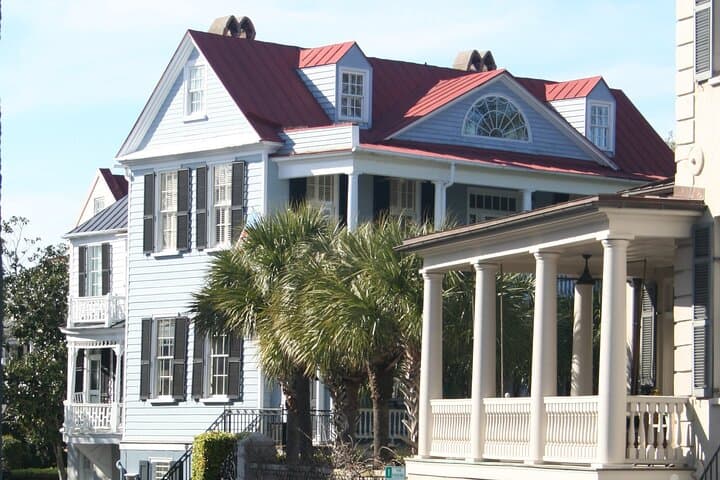
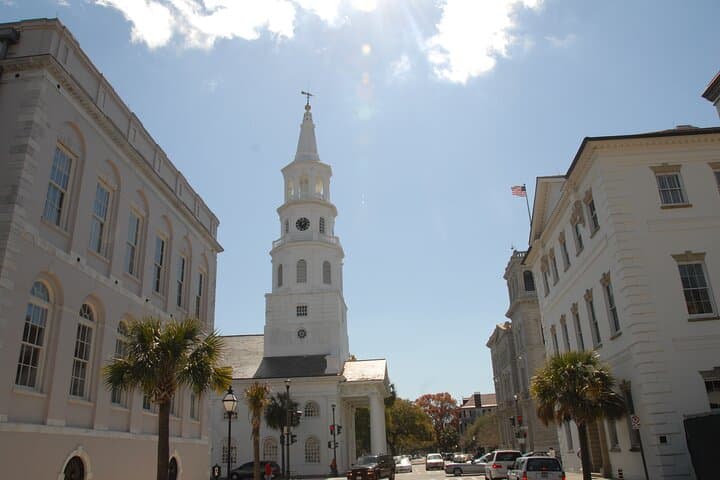
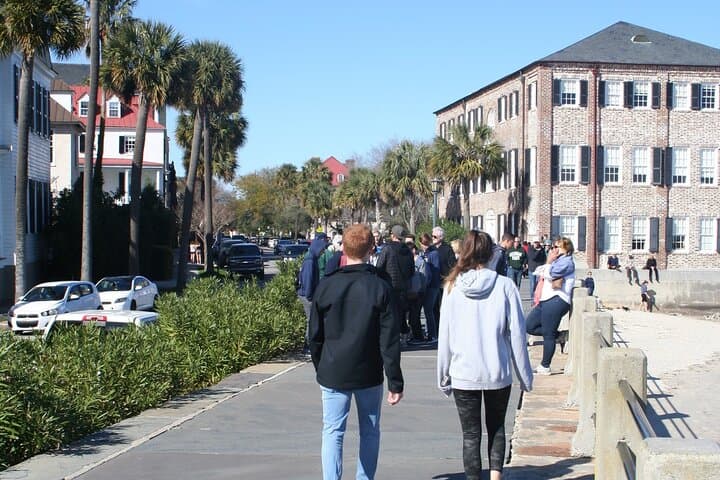
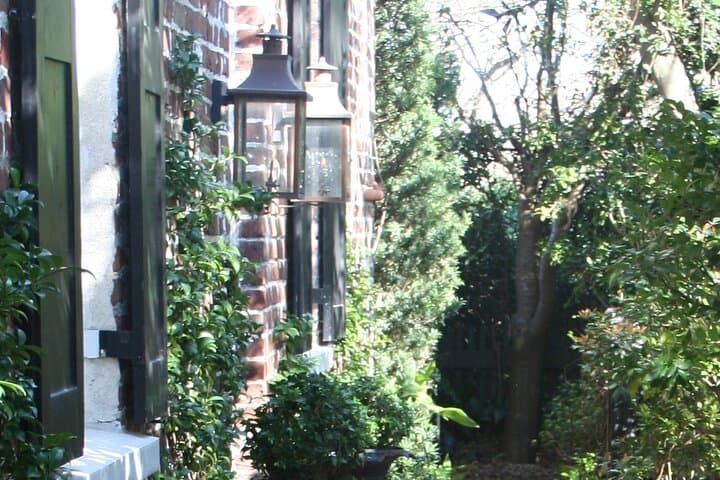
You step off the cobblestones at Meeting and Chalmers and the city begins to speak—brass plaques, slate roofs, and a harbor breeze that keeps the air moving. The guide leads, voice steady, as you pass 18th- and 19th-century facades, graveyards edged with ironwork, and a waterfront that still remembers ships and tariffs. The tour moves at a human pace; the city unfolds in short chapters rather than long panoramas.
Verified experiences and guided adventures in the surrounding area.
Operated by Charleston Footprints Tours · Charleston, South Carolina
You step off the cobblestones at Meeting and Chalmers and the city begins to speak—brass plaques, slate roofs, and a harbor breeze that keeps the air moving. The guide leads, voice steady, as you pass 18th- and 19th-century facades, graveyards edged with ironwork, and a waterfront that still remembers ships and tariffs. The tour moves at a human pace; the city unfolds in short chapters rather than long panoramas.
Charleston's story is visible in its bricks and streets: a colonial port built on marshy, reclaimed soils, an antebellum boom of merchant wealth, and an early 20th-century preservation push that saved blocks from demolition. Geology here is quiet—silty estuaries that shaped settlement patterns and the low bluff that became the Battery. Culture arrives in architecture, Gullah influences in food and craft, and the layered civic memory found in places like the Old Exchange and St. Philip's Church.
You’ll hear about piracy, Revolutionary debates, and Civil War waterfronts while taking in details—Tiffany windows, gunpowder vaults, and narrow alleys that locals use as shortcuts. Guides adapt the route to weather and interests, making stops brief but meaningful.
Practical notes: plan for 2–2.25 hours on mostly flat, paved and cobbled surfaces; wear sturdy shoes and sun protection. Mobility accommodations are available, but cobbles and occasional curbs mean a slow pace for wheelchair users. Bring water, a light layer for coastal breezes, and arrive 15 minutes early to check in at 108 Meeting Street. This is a low-effort, high-context way to read Charleston’s streets and leave with clear directions for deeper exploration.
easy.
2–2.25 hours.
Suitable for most fitness levels; requires standing and walking on flat, uneven surfaces for up to two hours.
The tour lasts approximately 120–135 minutes and begins at 108 Meeting Street (corner of Meeting and Chalmers). Please arrive 15 minutes early for check-in.
The tour is listed as wheelchair accessible, but cobblestones and occasional curbs may require a companion or a slower pace; inform the operator of needs when booking.
Stops focus on exteriors and public spaces; some sites are viewed from the outside with historical commentary rather than interior admissions.
Tours may be canceled for severe weather; refund and rescheduling policies allow a full refund if canceled at least 24 hours before departure.
Charleston grew as a major Atlantic port in the 18th century; preservation efforts beginning in the early 20th century rescued many of the city’s historic neighborhoods from redevelopment.
Heavy visitation strains fragile street surfaces and nearby marshes—follow guidance on staying on paths, avoid touching historic fabric, and support local preservation groups.
Charleston Footprints Tours operates guided outdoor trips and adventures with an emphasis on safety, stewardship, and memorable experiences.
You step off the cobblestones at Meeting and Chalmers and the city begins to speak—brass plaques, slate roofs, and a harbor breeze that keeps the air moving. The guide leads, voice steady, as you pass 18th- and 19th-century facades, graveyards edged with ironwork, and a waterfront that still remembers ships and tariffs. The tour moves at a human pace; the city unfolds in short chapters rather than long panoramas.
You step off the cobblestones at Meeting and Chalmers and the city begins to speak—brass plaques, slate roofs, and a harbor breeze that keeps the air moving. The guide leads, voice steady, as you pass 18th- and 19th-century facades, graveyards edged with ironwork, and a waterfront that still remembers ships and tariffs. The tour moves at a human pace; the city unfolds in short chapters rather than long panoramas.
Charleston's story is visible in its bricks and streets: a colonial port built on marshy, reclaimed soils, an antebellum boom of merchant wealth, and an early 20th-century preservation push that saved blocks from demolition. Geology here is quiet—silty estuaries that shaped settlement patterns and the low bluff that became the Battery. Culture arrives in architecture, Gullah influences in food and craft, and the layered civic memory found in places like the Old Exchange and St. Philip's Church.
You’ll hear about piracy, Revolutionary debates, and Civil War waterfronts while taking in details—Tiffany windows, gunpowder vaults, and narrow alleys that locals use as shortcuts. Guides adapt the route to weather and interests, making stops brief but meaningful.
Practical notes: plan for 2–2.25 hours on mostly flat, paved and cobbled surfaces; wear sturdy shoes and sun protection. Mobility accommodations are available, but cobbles and occasional curbs mean a slow pace for wheelchair users. Bring water, a light layer for coastal breezes, and arrive 15 minutes early to check in at 108 Meeting Street. This is a low-effort, high-context way to read Charleston’s streets and leave with clear directions for deeper exploration.