THE ADVENTURE COLLECTIVE® · Independent discovery and booking for outdoor travel

Walk Charleston with a lifetime local who balances the city’s celebrated architecture with its darker chapters. This two-hour tour visits Powder Magazine, Old Slave Mart, Rainbow Row and the Battery with context and candor.
Walk Charleston with a lifetime local who balances the city’s celebrated architecture with its darker chapters. This two-hour tour visits Powder Magazine, Old Slave Mart, Rainbow Row and the Battery with context and candor.
You start at the corner of Cumberland and Church, the cobbles cool underfoot and the hush of the harbor pressing in from one direction while church bells mark the hour in another. Adam Miles—a lifelong Charleston storyteller—leads the group through narrow alleys, past pastel facades and plaques that point to hard truths as often as to triumphs.
Verified experiences and guided adventures in the surrounding area.
Operated by 108 Elemental Tours · Charleston, South Carolina
You start at the corner of Cumberland and Church, the cobbles cool underfoot and the hush of the harbor pressing in from one direction while church bells mark the hour in another. Adam Miles—a lifelong Charleston storyteller—leads the group through narrow alleys, past pastel facades and plaques that point to hard truths as often as to triumphs.
The walk stitches together 350 years of coastal history: colonial trade, the built legacy of the rice and indigo economy, the scars of the domestic slave trade and the stratagems of Civil War Charleston. Geology matters here; the city sits on dredged marsh and reclaimed land that shaped its wharves and defenses, from Castle Pinckney to Fort Sumter across the harbor.
Culture on the tour is local and specific—Gullah influences, the restoration movement of the 20th century, and how preservation choices changed the look of Rainbow Row and the Battery. Expect close-up views of the Powder Magazine, the Old Slave Mart, and the Old Exchange—sites that require respectful listening more than quick photos.
Practical side: the tour covers roughly 1.5–2 miles over two hours on mixed cobblestone and sidewalks, mostly flat but sometimes uneven. Wear sturdy shoes, bring a refillable water bottle and sun protection, and arrive 10 minutes early to check in. The route is wheelchair accessible in many places, but some narrow stretches and cobbles can be bumpy. If you want context, read a bit about Charleston’s maritime economy and antebellum history beforehand—Adam’s storytelling layers detail onto the facts, and the result is a walking history that is as informative as it is candid.
easy.
2 hours.
Light walking ability – suitable for most fitness levels but expect uneven surfaces and standing periods.
The operator lists wheelchair accessibility and many surfaces are accessible, but some narrow streets and cobbles may be uneven—contact the provider ahead to confirm accommodations.
The walking tour runs two hours and covers roughly 1.5–2 miles with stops at major sites.
Yes—photos are allowed at most exterior sites; be respectful around sensitive locations like the Old Slave Mart and during moments of interpretation.
Full refund if you cancel at least 24 hours before the scheduled departure; no refund within 24 hours.
Charleston’s urban fabric was shaped by colonial trade, antebellum wealth tied to plantations and ports, and a long history of preservation and reinvention following wartime destruction.
Historic Charleston balances tourism with preservation rules that protect facades and street patterns; visitors are asked to respect sites and avoid touching fragile masonry and exhibits.
108 Elemental Tours operates guided outdoor trips and adventures with an emphasis on safety, stewardship, and memorable experiences.
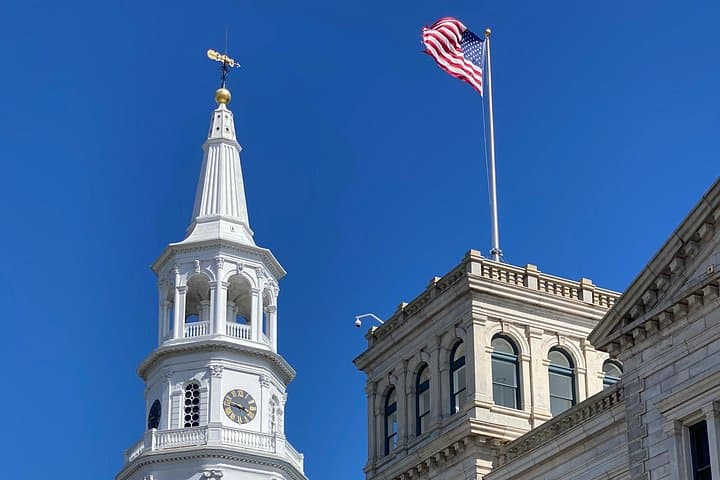
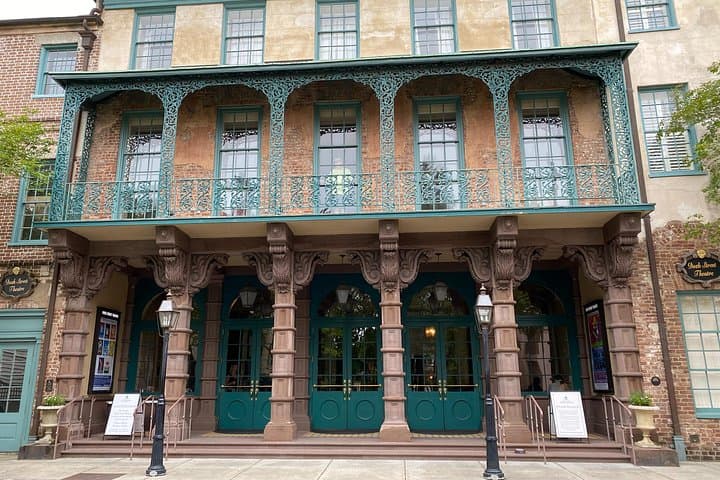
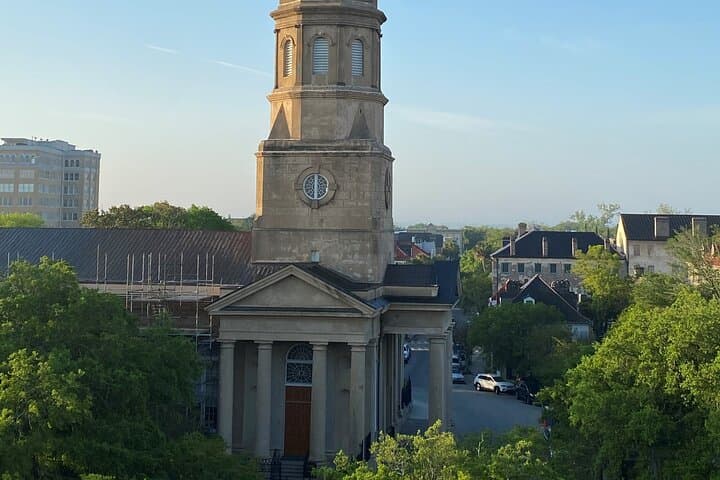
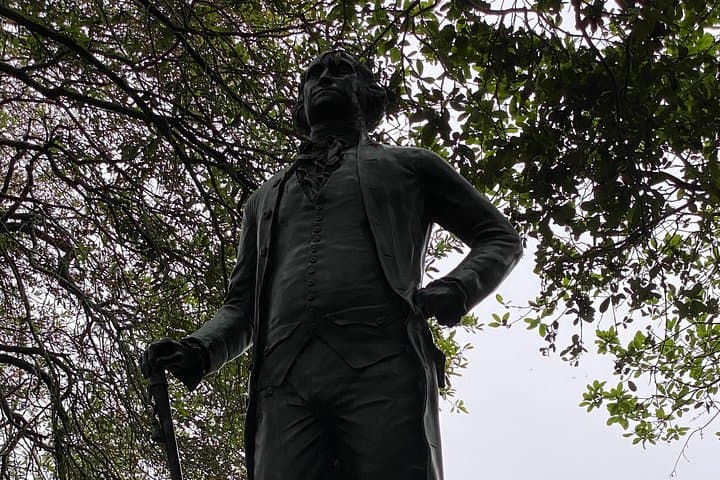
You start at the corner of Cumberland and Church, the cobbles cool underfoot and the hush of the harbor pressing in from one direction while church bells mark the hour in another. Adam Miles—a lifelong Charleston storyteller—leads the group through narrow alleys, past pastel facades and plaques that point to hard truths as often as to triumphs.
You start at the corner of Cumberland and Church, the cobbles cool underfoot and the hush of the harbor pressing in from one direction while church bells mark the hour in another. Adam Miles—a lifelong Charleston storyteller—leads the group through narrow alleys, past pastel facades and plaques that point to hard truths as often as to triumphs.
The walk stitches together 350 years of coastal history: colonial trade, the built legacy of the rice and indigo economy, the scars of the domestic slave trade and the stratagems of Civil War Charleston. Geology matters here; the city sits on dredged marsh and reclaimed land that shaped its wharves and defenses, from Castle Pinckney to Fort Sumter across the harbor.
Culture on the tour is local and specific—Gullah influences, the restoration movement of the 20th century, and how preservation choices changed the look of Rainbow Row and the Battery. Expect close-up views of the Powder Magazine, the Old Slave Mart, and the Old Exchange—sites that require respectful listening more than quick photos.
Practical side: the tour covers roughly 1.5–2 miles over two hours on mixed cobblestone and sidewalks, mostly flat but sometimes uneven. Wear sturdy shoes, bring a refillable water bottle and sun protection, and arrive 10 minutes early to check in. The route is wheelchair accessible in many places, but some narrow stretches and cobbles can be bumpy. If you want context, read a bit about Charleston’s maritime economy and antebellum history beforehand—Adam’s storytelling layers detail onto the facts, and the result is a walking history that is as informative as it is candid.