THE ADVENTURE COLLECTIVE® · Independent discovery and booking for outdoor travel

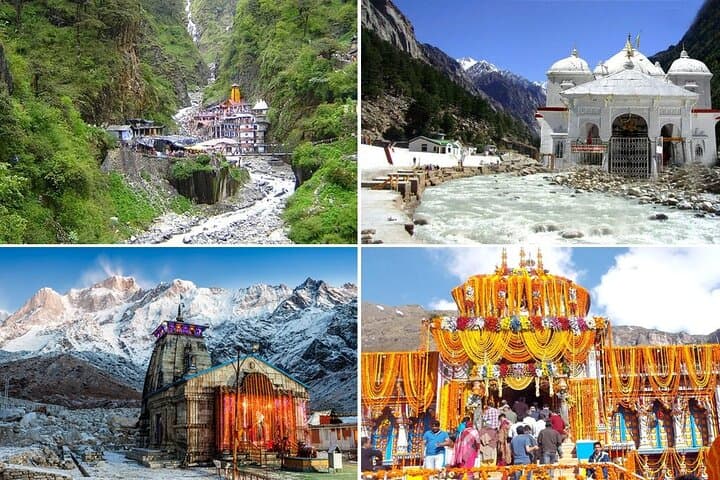
A compact 10-day circuit linking Yamunotri, Gangotri, Kedarnath and Badrinath across the Garhwal Himalaya. This guide outlines what to expect on the road and on the trail—terrain, logistics, and practical tips to prepare for high-altitude pilgrimage travel.
A compact 10-day circuit linking Yamunotri, Gangotri, Kedarnath and Badrinath across the Garhwal Himalaya. This guide outlines what to expect on the road and on the trail—terrain, logistics, and practical tips to prepare for high-altitude pilgrimage travel.
You set out before dawn from Haridwar, tires murmuring along a ribbon of highway that climbs from the Ganga plain into pine-scented foothills. Villages slide past—river crossings, prayer flags, and the occasional tea stall—until the road narrows and the mountains take over. By the second day you’re on foot: a six-kilometer ascent to Yamunotri where steaming hot springs dare you to pause and perform the morning ritual.
Verified experiences and guided adventures in the surrounding area.
Operated by Char Dham Yatra · Haridwar, Uttarakhand
You set out before dawn from Haridwar, tires murmuring along a ribbon of highway that climbs from the Ganga plain into pine-scented foothills. Villages slide past—river crossings, prayer flags, and the occasional tea stall—until the road narrows and the mountains take over. By the second day you’re on foot: a six-kilometer ascent to Yamunotri where steaming hot springs dare you to pause and perform the morning ritual.
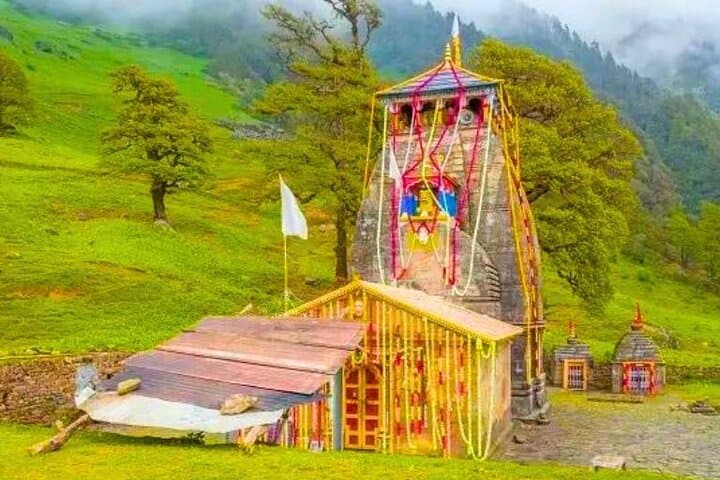
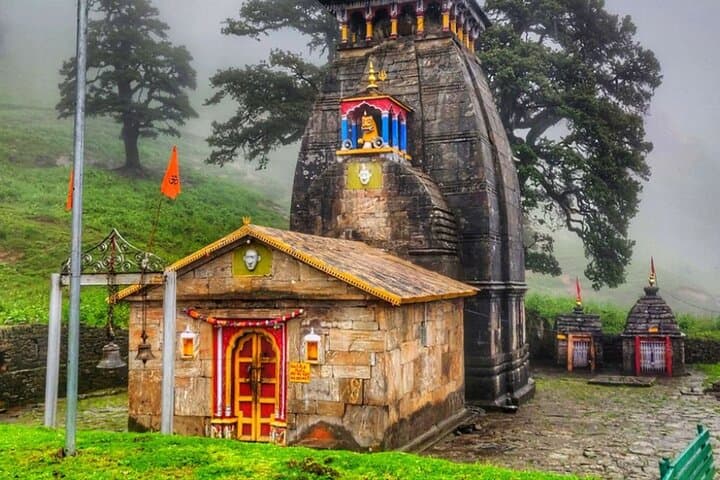
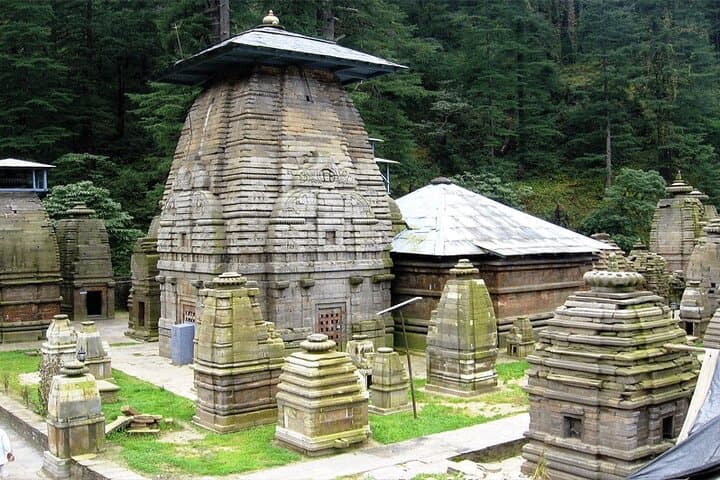
This circuit links four ancient shrines—Yamunotri, Gangotri, Kedarnath and Badrinath—sites layered with centuries of pilgrimage, regional temple architecture, and the geology of young, folding Himalaya where rivers carve deep gorges and moraine-strewn valleys. Local culture blends Garhwali traditions, temple rites, and high-altitude pastoral life; Mana village near Badrinath offers a glimpse of borderland folklore.
Practically, the route alternates long drives (up to 8–9 hours on some days) with demanding treks—Kedarnath’s approach can be about 19 km one-way—so plan for altitude changes, rocky trails, and simple mountain accommodations. Travel light but bring warm layers, waterproofs and sturdy boots; mornings are for early departures to avoid afternoon cloud build-up. Hydrate steadily and allow for conservative pacing on ascents. If weather or health forces a change, helicopter transfers exist seasonally but require advance booking. Respect temple protocols, carry small change for local services, and leave no trace: these valleys are both sacred and ecologically sensitive.
challenging.
10 days.
Good cardiovascular fitness and endurance for long driving days and multi-hour treks at altitude
Main windows are April–June and September–November when roads and temples are open; winter sees heavy snow and shrine closures.
No special permits for pilgrims, but carry ID/passport, any required medical info, and travel booking confirmations; helicopter services require separate bookings and ID.
Yamunotri is a moderate ~6 km climb on a defined trail; Kedarnath’s traditional route can be strenuous (~19 km one way) with long ascents and scree sections.
Yes, seasonal helicopter services run from nearby bases but are weather-dependent and should be booked early during peak season.
Char Dham is an age-old Hindu pilgrimage circuit formalized by medieval and modern traditions; the route follows historic trade and shepherding tracks through Garhwal.
High visitor numbers stress fragile alpine ecology and water sources; favor licensed guides, carry out waste, and use refillable water to reduce plastic.
Char Dham Yatra operates guided outdoor trips and adventures with an emphasis on safety, stewardship, and memorable experiences.
You set out before dawn from Haridwar, tires murmuring along a ribbon of highway that climbs from the Ganga plain into pine-scented foothills. Villages slide past—river crossings, prayer flags, and the occasional tea stall—until the road narrows and the mountains take over. By the second day you’re on foot: a six-kilometer ascent to Yamunotri where steaming hot springs dare you to pause and perform the morning ritual.
You set out before dawn from Haridwar, tires murmuring along a ribbon of highway that climbs from the Ganga plain into pine-scented foothills. Villages slide past—river crossings, prayer flags, and the occasional tea stall—until the road narrows and the mountains take over. By the second day you’re on foot: a six-kilometer ascent to Yamunotri where steaming hot springs dare you to pause and perform the morning ritual.
This circuit links four ancient shrines—Yamunotri, Gangotri, Kedarnath and Badrinath—sites layered with centuries of pilgrimage, regional temple architecture, and the geology of young, folding Himalaya where rivers carve deep gorges and moraine-strewn valleys. Local culture blends Garhwali traditions, temple rites, and high-altitude pastoral life; Mana village near Badrinath offers a glimpse of borderland folklore.
Practically, the route alternates long drives (up to 8–9 hours on some days) with demanding treks—Kedarnath’s approach can be about 19 km one-way—so plan for altitude changes, rocky trails, and simple mountain accommodations. Travel light but bring warm layers, waterproofs and sturdy boots; mornings are for early departures to avoid afternoon cloud build-up. Hydrate steadily and allow for conservative pacing on ascents. If weather or health forces a change, helicopter transfers exist seasonally but require advance booking. Respect temple protocols, carry small change for local services, and leave no trace: these valleys are both sacred and ecologically sensitive.