THE ADVENTURE COLLECTIVE® · Independent discovery and booking for outdoor travel

A two-hour guided walk through Chapultepec gives a concentrated view of Mexico City’s largest urban park: historical sites, museum stops and lakeside paths. Learn where to go, what to expect and how to plan the best time to visit.
A two-hour guided walk through Chapultepec gives a concentrated view of Mexico City’s largest urban park: historical sites, museum stops and lakeside paths. Learn where to go, what to expect and how to plan the best time to visit.
You step off Avenida Reforma and into a pocket of oxygen — tall eucalyptus and Montezuma pines crowd the wide promenades, pigeons wheel, and the distant silhouette of Chapultepec Castle presides over the park like a weathered watchman. The walking tour threads through tree-lined avenues, lakeside paths and sculpted lawns, giving a clear, close-up sense of how an immense urban park functions as both refuge and stage for Mexico City life.
Verified experiences and guided adventures in the surrounding area.
Operated by Taste & Time Traveler · Mexico City, Ciudad de México
You step off Avenida Reforma and into a pocket of oxygen — tall eucalyptus and Montezuma pines crowd the wide promenades, pigeons wheel, and the distant silhouette of Chapultepec Castle presides over the park like a weathered watchman. The walking tour threads through tree-lined avenues, lakeside paths and sculpted lawns, giving a clear, close-up sense of how an immense urban park functions as both refuge and stage for Mexico City life.
Chapultepec’s history stretches from pre-Hispanic ceremonial hill to the 18th–19th century imperial grounds and now a modern public park that houses museums and a castle. Geologically it sits on the high basin of the Valley of Mexico, where volcanic soils support dense greenery uncommon at this altitude. Culturally, the park is public commons — families picnic, joggers circle the lake, and street vendors animate the margins.
Expect about two hours of mostly flat, paved walking with intermittent stairs if you visit the castle or museums. Guides typically point out the Castillo de Chapultepec, the Museo Nacional de Antropología at the park’s edge and quieter corners like the botanical garden. Bring a sense of pacing: morning light is best for photos and cooler air; late afternoon carries evening traffic back onto Reforma.
Practical notes: this tour is accessible for most fitness levels, stroller- and wheelchair-friendly on main routes, and works well with public transit (Metro Chapultepec or Bosque de Chapultepec stops). Hydrate, wear supportive shoes, and carry a light layer — shade moderates sun but weather can shift quickly at this elevation.
easy.
2 hours.
Suitable for most people who can walk 1–3 miles over paved surfaces; minimal elevation change.
Main park routes covered on this tour are wheelchair- and stroller-accessible; confirm specifics with the operator for any optional castle access which includes stairs.
Metro Chapultepec (Line 1) or nearby Metrobús/ecoBici stations provide easy access; walking from Reforma is common for central hotels.
This standard walking tour typically provides commentary and stops outside main attractions; admissions to museums or the Castillo de Chapultepec may require separate tickets.
Yes — the routes are family-friendly and the guide can adapt pace; strollers are accommodated on main paths.
Chapultepec was historically a sacred hill and hunting ground for Aztec rulers; later it became the site of Chapultepec Castle, now housing the National Museum of History.
As a heavily visited urban park, staying on paths, carrying out trash and avoiding feeding wildlife help reduce impact and protect plantings.
Taste & Time Traveler operates guided outdoor trips and adventures with an emphasis on safety, stewardship, and memorable experiences.
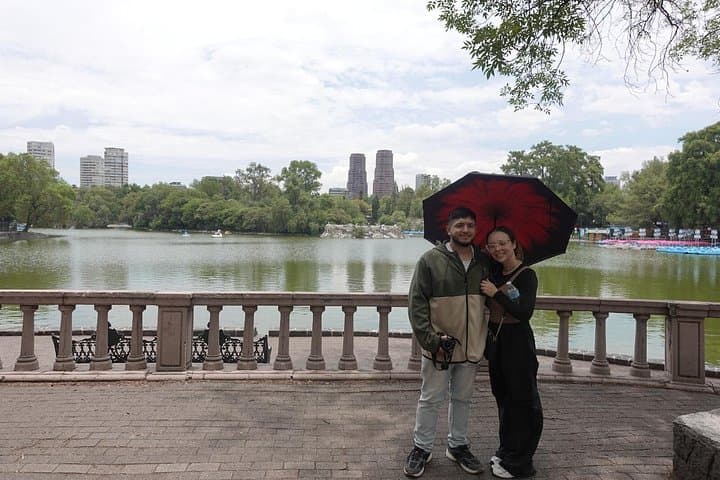
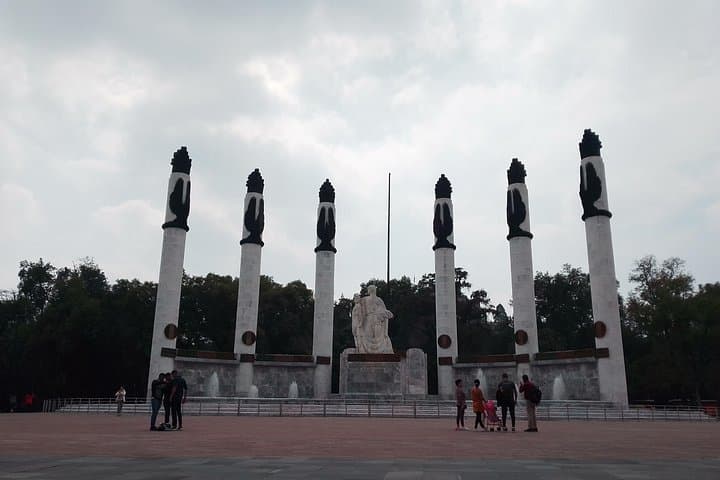
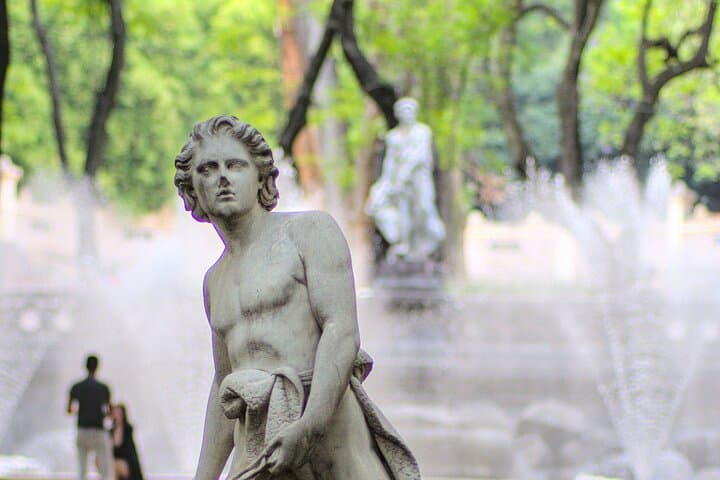
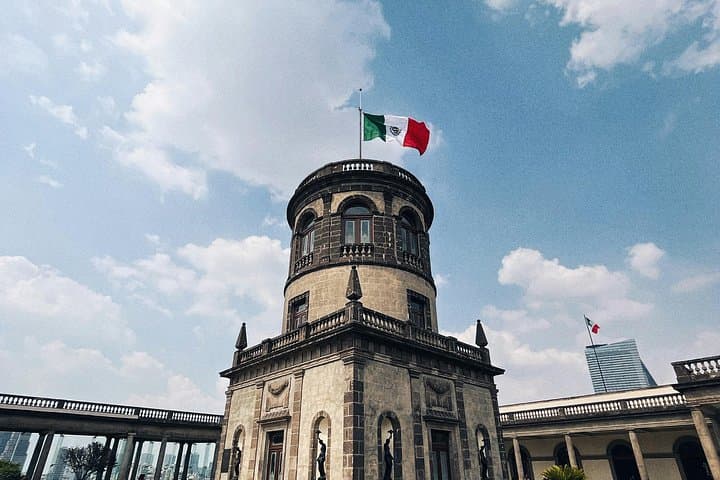
You step off Avenida Reforma and into a pocket of oxygen — tall eucalyptus and Montezuma pines crowd the wide promenades, pigeons wheel, and the distant silhouette of Chapultepec Castle presides over the park like a weathered watchman. The walking tour threads through tree-lined avenues, lakeside paths and sculpted lawns, giving a clear, close-up sense of how an immense urban park functions as both refuge and stage for Mexico City life.
You step off Avenida Reforma and into a pocket of oxygen — tall eucalyptus and Montezuma pines crowd the wide promenades, pigeons wheel, and the distant silhouette of Chapultepec Castle presides over the park like a weathered watchman. The walking tour threads through tree-lined avenues, lakeside paths and sculpted lawns, giving a clear, close-up sense of how an immense urban park functions as both refuge and stage for Mexico City life.
Chapultepec’s history stretches from pre-Hispanic ceremonial hill to the 18th–19th century imperial grounds and now a modern public park that houses museums and a castle. Geologically it sits on the high basin of the Valley of Mexico, where volcanic soils support dense greenery uncommon at this altitude. Culturally, the park is public commons — families picnic, joggers circle the lake, and street vendors animate the margins.
Expect about two hours of mostly flat, paved walking with intermittent stairs if you visit the castle or museums. Guides typically point out the Castillo de Chapultepec, the Museo Nacional de Antropología at the park’s edge and quieter corners like the botanical garden. Bring a sense of pacing: morning light is best for photos and cooler air; late afternoon carries evening traffic back onto Reforma.
Practical notes: this tour is accessible for most fitness levels, stroller- and wheelchair-friendly on main routes, and works well with public transit (Metro Chapultepec or Bosque de Chapultepec stops). Hydrate, wear supportive shoes, and carry a light layer — shade moderates sun but weather can shift quickly at this elevation.