THE ADVENTURE COLLECTIVE® · Independent discovery and booking for outdoor travel

Cycle through the cool shade of Bosque de Chapultepec, visit fountains and statues, then rise above the city in a cable car for sunset views. This guided, bilingual tour combines a relaxed bike loop with a panoramic finish—perfect for short urban escapes.
Cycle through the cool shade of Bosque de Chapultepec, visit fountains and statues, then rise above the city in a cable car for sunset views. This guided, bilingual tour combines a relaxed bike loop with a panoramic finish—perfect for short urban escapes.
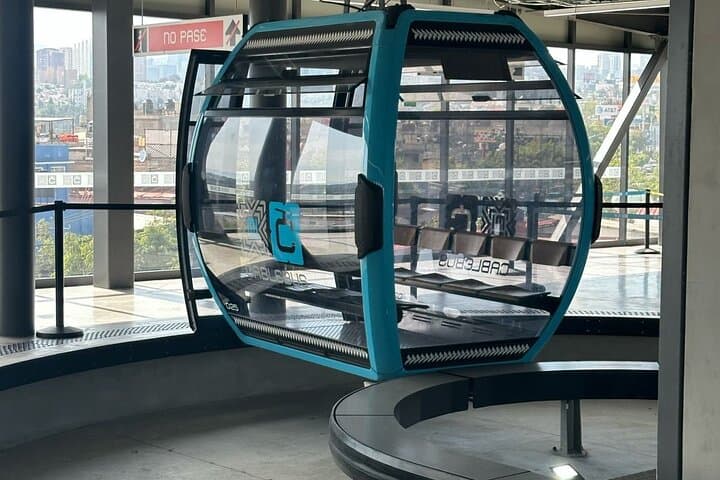
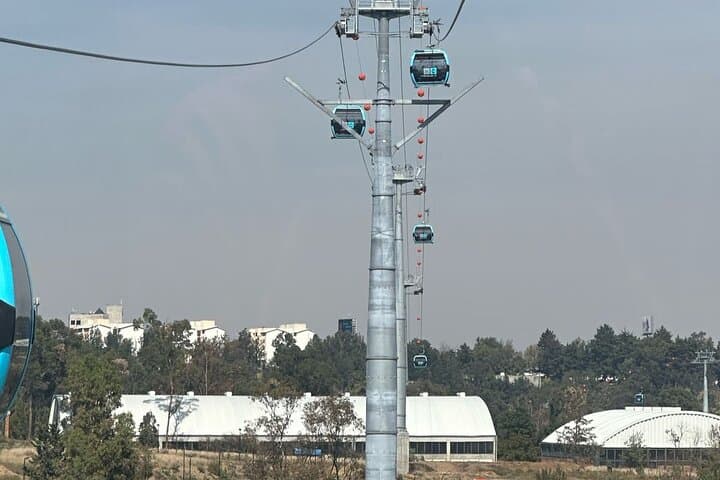
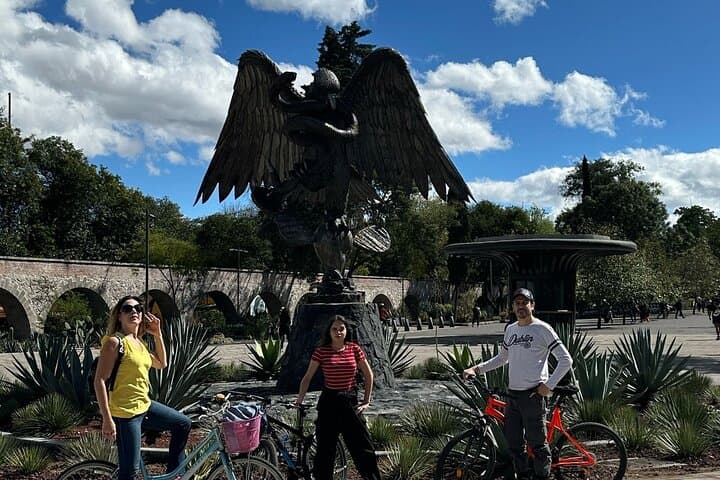
You start on two wheels beneath tall pines and jacarandas, the city’s noise folding away as the park’s paths take you deeper into Bosque de Chapultepec. The guide paces the group, fountains and statuary slipping by—the Don Quijote fountain’s bronze figure watches riders pass—until the route climbs toward the cable car station where the city spreads out in layered blocks and light.
Verified experiences and guided adventures in the surrounding area.
Operated by Polanco bike · Mexico City, Mexico City
You start on two wheels beneath tall pines and jacarandas, the city’s noise folding away as the park’s paths take you deeper into Bosque de Chapultepec. The guide paces the group, fountains and statuary slipping by—the Don Quijote fountain’s bronze figure watches riders pass—until the route climbs toward the cable car station where the city spreads out in layered blocks and light.
Chapultepec has worn many faces: a pre-Hispanic sacred hill, a Spanish colonial hunting forest, and the site of Chapultepec Castle where 19th-century battles shaped Mexico’s modern history. Geologically it sits on the soft lacustrine soils of the Valley of Mexico, which is why the park’s elevated viewpoints feel like islands of green above the surrounding grid.
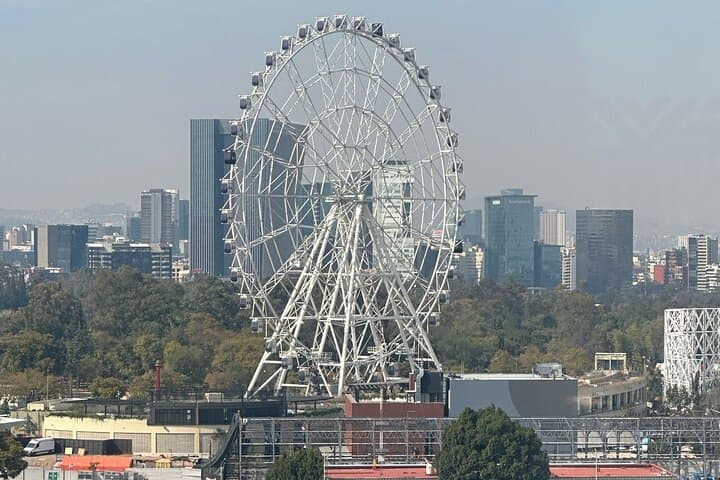
Culturally, the park is both weekend refuge and civic stage—museums, vendors, and local families mix with joggers and cyclists. Your ride covers mostly paved, well-marked park roads (roughly 5 km/3 mi of cycling at a relaxed pace) with minimal elevation change; the cable car and Ferris wheel add a vertical note and panoramic payoff, especially at sunset.
Practical guidance: arrive 30–45 minutes before sunset to time the cable car; helmets are provided but bring a securely fastened water bottle and good shoes. Expect bilingual guiding, bottled water and snacks included, and moderate fitness required—not suitable for travelers with serious back, heart, or pregnancy restrictions. Use public transit to Polanco or Reforma to avoid parking headaches, and be prepared for crowds at peak hours.
moderate.
2–3 hours.
Moderate fitness—comfortable with a few kilometers of casual cycling and short walks; not suitable for those with severe back or heart conditions.
No advanced skills are required—just basic balance and the ability to ride for a few kilometers on paved park roads; guides keep the group together.
The tour includes access to the cable car and the Ferris wheel views as described; check the operator’s booking page for exact inclusions.
The itinerary involves cycling and cable car boarding and is not suitable for standard wheelchair access; contact the operator to discuss accommodations.
Guides provide commentary in Spanish and English according to the listing and group composition.
Chapultepec’s hill was a sacred Aztec site and later the location of Chapultepec Castle; the park evolved through colonial and republican eras into one of the largest urban green spaces in the Americas.
The park faces urban pressure from visitors and development; local initiatives emphasize tree care, clean-up drives, and regulated bike routes to protect habitats and reduce erosion.
Polanco bike operates guided outdoor trips and adventures with an emphasis on safety, stewardship, and memorable experiences.
You start on two wheels beneath tall pines and jacarandas, the city’s noise folding away as the park’s paths take you deeper into Bosque de Chapultepec. The guide paces the group, fountains and statuary slipping by—the Don Quijote fountain’s bronze figure watches riders pass—until the route climbs toward the cable car station where the city spreads out in layered blocks and light.
You start on two wheels beneath tall pines and jacarandas, the city’s noise folding away as the park’s paths take you deeper into Bosque de Chapultepec. The guide paces the group, fountains and statuary slipping by—the Don Quijote fountain’s bronze figure watches riders pass—until the route climbs toward the cable car station where the city spreads out in layered blocks and light.
Chapultepec has worn many faces: a pre-Hispanic sacred hill, a Spanish colonial hunting forest, and the site of Chapultepec Castle where 19th-century battles shaped Mexico’s modern history. Geologically it sits on the soft lacustrine soils of the Valley of Mexico, which is why the park’s elevated viewpoints feel like islands of green above the surrounding grid.
Culturally, the park is both weekend refuge and civic stage—museums, vendors, and local families mix with joggers and cyclists. Your ride covers mostly paved, well-marked park roads (roughly 5 km/3 mi of cycling at a relaxed pace) with minimal elevation change; the cable car and Ferris wheel add a vertical note and panoramic payoff, especially at sunset.
Practical guidance: arrive 30–45 minutes before sunset to time the cable car; helmets are provided but bring a securely fastened water bottle and good shoes. Expect bilingual guiding, bottled water and snacks included, and moderate fitness required—not suitable for travelers with serious back, heart, or pregnancy restrictions. Use public transit to Polanco or Reforma to avoid parking headaches, and be prepared for crowds at peak hours.