THE ADVENTURE COLLECTIVE® · Independent discovery and booking for outdoor travel

Glide through Goa’s lesser-known backwaters on a guided kayak tour of the Chapora River. This calm, short paddle delivers close encounters with mangroves, birds, and local riverside life with gear and guidance provided.
Glide through Goa’s lesser-known backwaters on a guided kayak tour of the Chapora River. This calm, short paddle delivers close encounters with mangroves, birds, and local riverside life with gear and guidance provided.
A low tide pushes shallow channels into glass, and the Chapora River moves like a curious companion, probing mangrove roots and sending small fish to the surface. Paddlers launch from a quiet riverbank under coconut palms, sip tender coconut water, and slide into one of Goa’s calmer backwaters. The sound is birds: a chorus of kingfishers and herons that seem to circle the kayaks with casual approval.
Verified experiences and guided adventures in the surrounding area.
Operated by SoulCandy Tours Goa · Chapora, Goa
A low tide pushes shallow channels into glass, and the Chapora River moves like a curious companion, probing mangrove roots and sending small fish to the surface. Paddlers launch from a quiet riverbank under coconut palms, sip tender coconut water, and slide into one of Goa’s calmer backwaters. The sound is birds: a chorus of kingfishers and herons that seem to circle the kayaks with casual approval.
The Chapora has long been a working waterway for local fishermen and a boundary in colonial-era maps; nearby Chapora Fort watched traffic on the estuary for centuries. Geologically, the river carves soft alluvial banks and supports mangrove stands that trap silt and shelter juvenile fish. Culturally, mornings begin with simple breakfasts in hill‑side homes and boats heading out to nets — an everyday rhythm that visitors glimpse during a guided trip.
Practically, the trip is short and gentle — roughly 2–3 hours of on-water time within sheltered backwaters. Guides use government-licensed kayaks and certified life gear; non-swimmers, kids and older guests often paddle in tandems or sit in stable sit‑on‑tops. Expect flat water, occasional shallow mud channels, and easy maneuvering rather than strenuous paddling. Bring sun protection, a refillable water bottle, and a light waterproof layer for spray. Timing matters: start near morning slack tide for calm water and active birdlife, and avoid late afternoon monsoon squalls during the wet season.
The experience balances wildlife watching with low-impact recreation: stay quiet, follow the guide’s route through mangrove channels, and leave the shoreline as you found it.
easy.
2–3 hours.
Suitable for most fitness levels; participants should be able to sit in a kayak and paddle gently for up to two hours.
Yes — guides use stable, licensed kayaks and offer tandem seating; lifejackets are mandatory and staff provide close supervision.
The activity lasts about 150 minutes total, with roughly 90–120 minutes on the water depending on group pace.
The listing notes an air‑conditioned vehicle for transport; confirm your pickup point when booking.
Full refunds are available if you cancel at least 24 hours before departure; trips may be canceled for bad weather.
The Chapora estuary was strategically important in colonial times and sits near Chapora Fort; the river has long supported fishing communities and salt production.
Operators encourage low-impact paddling to protect mangroves and bird habitat; avoid littering, maintain distance from nests, and use biodegradable sunscreen when possible.
SoulCandy Tours Goa operates guided outdoor trips and adventures with an emphasis on safety, stewardship, and memorable experiences.
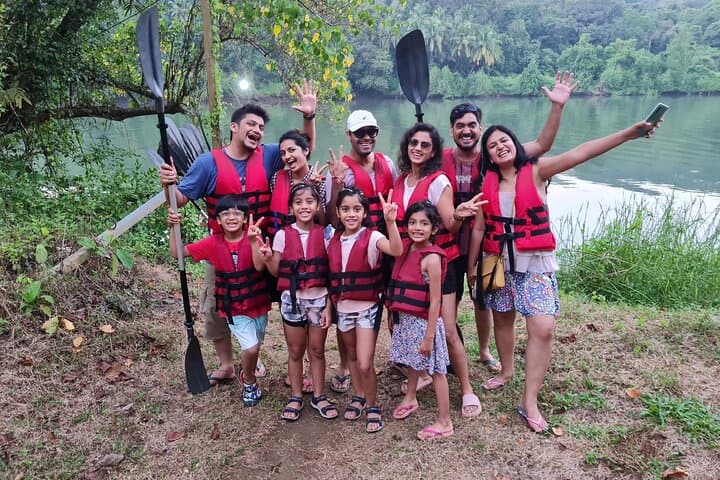
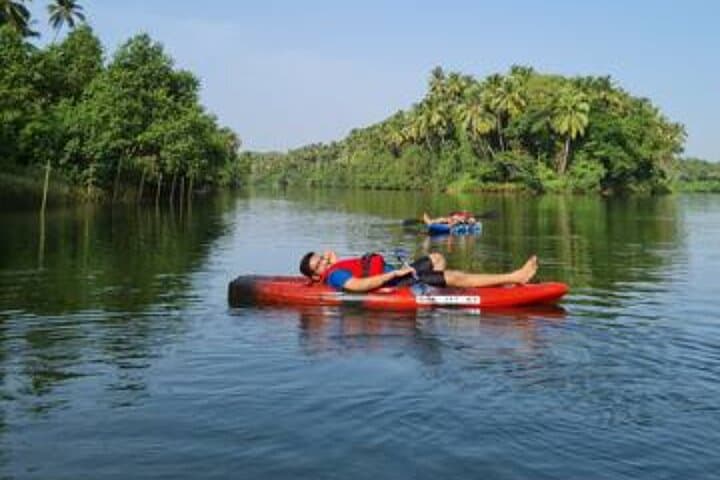
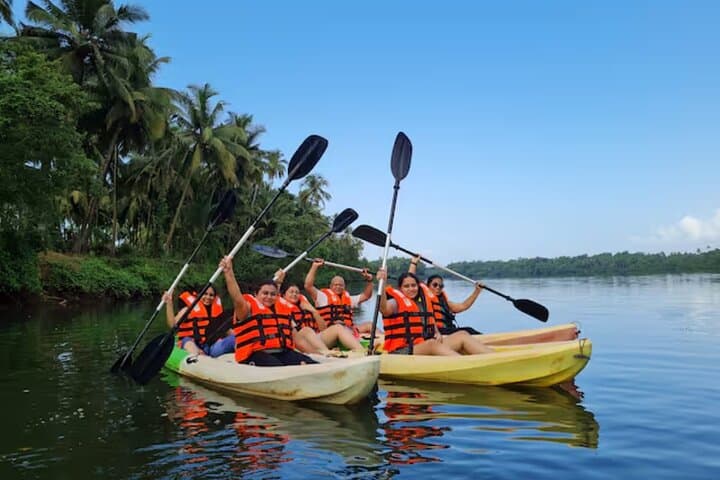
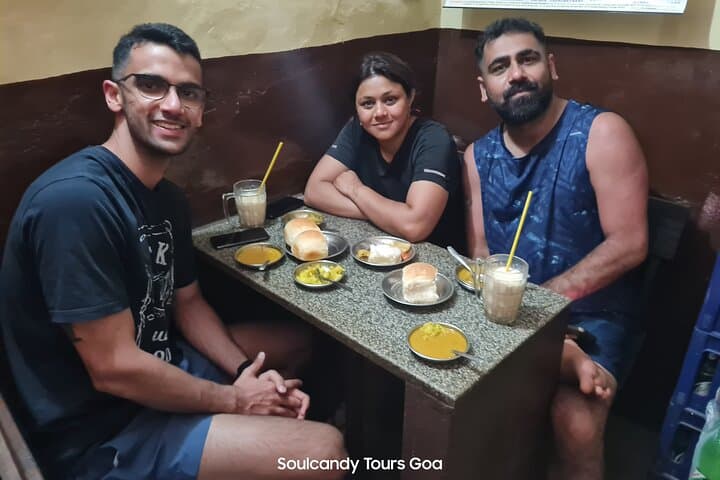
A low tide pushes shallow channels into glass, and the Chapora River moves like a curious companion, probing mangrove roots and sending small fish to the surface. Paddlers launch from a quiet riverbank under coconut palms, sip tender coconut water, and slide into one of Goa’s calmer backwaters. The sound is birds: a chorus of kingfishers and herons that seem to circle the kayaks with casual approval.
A low tide pushes shallow channels into glass, and the Chapora River moves like a curious companion, probing mangrove roots and sending small fish to the surface. Paddlers launch from a quiet riverbank under coconut palms, sip tender coconut water, and slide into one of Goa’s calmer backwaters. The sound is birds: a chorus of kingfishers and herons that seem to circle the kayaks with casual approval.
The Chapora has long been a working waterway for local fishermen and a boundary in colonial-era maps; nearby Chapora Fort watched traffic on the estuary for centuries. Geologically, the river carves soft alluvial banks and supports mangrove stands that trap silt and shelter juvenile fish. Culturally, mornings begin with simple breakfasts in hill‑side homes and boats heading out to nets — an everyday rhythm that visitors glimpse during a guided trip.
Practically, the trip is short and gentle — roughly 2–3 hours of on-water time within sheltered backwaters. Guides use government-licensed kayaks and certified life gear; non-swimmers, kids and older guests often paddle in tandems or sit in stable sit‑on‑tops. Expect flat water, occasional shallow mud channels, and easy maneuvering rather than strenuous paddling. Bring sun protection, a refillable water bottle, and a light waterproof layer for spray. Timing matters: start near morning slack tide for calm water and active birdlife, and avoid late afternoon monsoon squalls during the wet season.
The experience balances wildlife watching with low-impact recreation: stay quiet, follow the guide’s route through mangrove channels, and leave the shoreline as you found it.