THE ADVENTURE COLLECTIVE® · Independent discovery and booking for outdoor travel

Walk the streets that shaped Charlie Chaplin on this two‑hour guided tour from Kennington Tube. Hear the social history of late‑Victorian London while visiting the sites linked to his family, early performances and the origin of his famous walk.
Walk the streets that shaped Charlie Chaplin on this two‑hour guided tour from Kennington Tube. Hear the social history of late‑Victorian London while visiting the sites linked to his family, early performances and the origin of his famous walk.
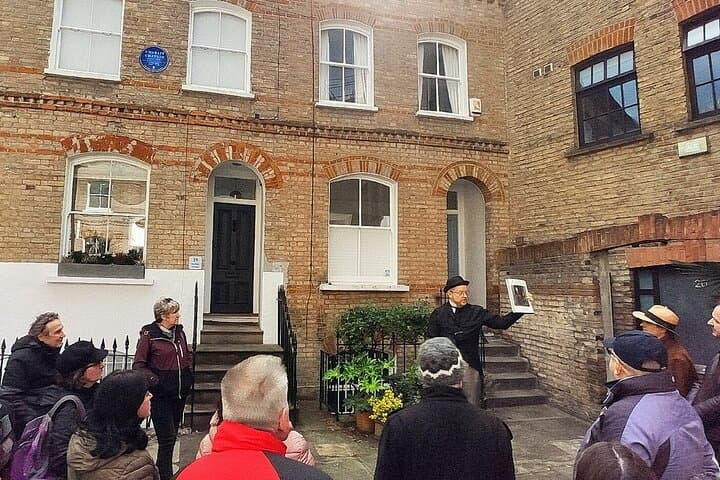
You step out of Kennington Tube and the streets take on the cadence of a music hall — cobbled terraces, narrow lanes and shopfronts that would have framed a young performer’s world.
Verified experiences and guided adventures in the surrounding area.
Operated by Cultureseekers · London, Greater London
You step out of Kennington Tube and the streets take on the cadence of a music hall — cobbled terraces, narrow lanes and shopfronts that would have framed a young performer’s world.
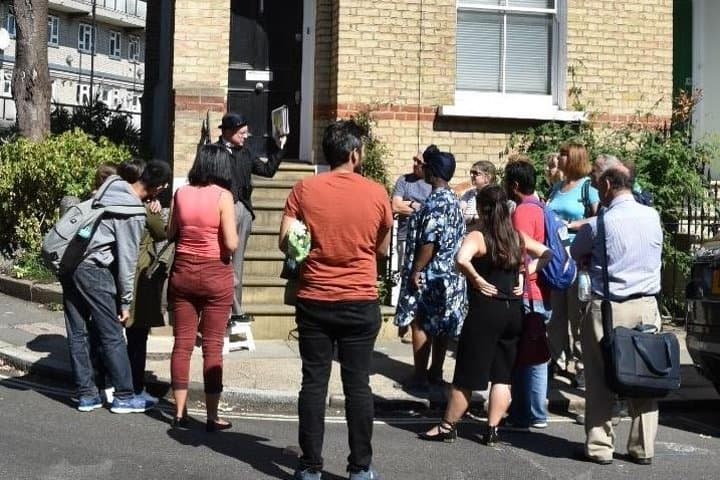
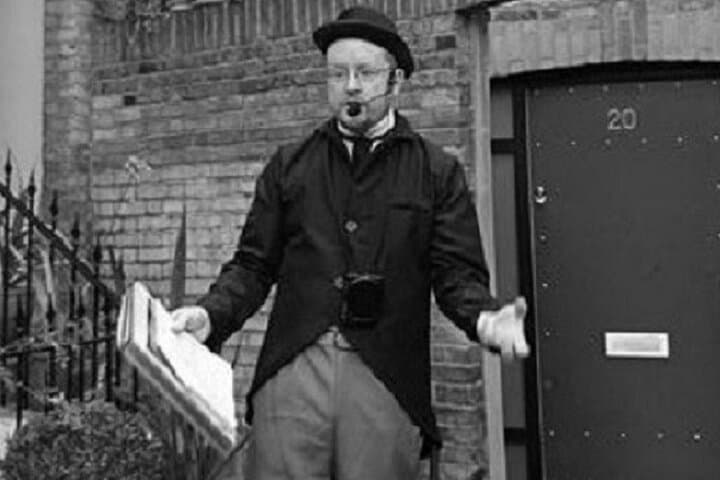
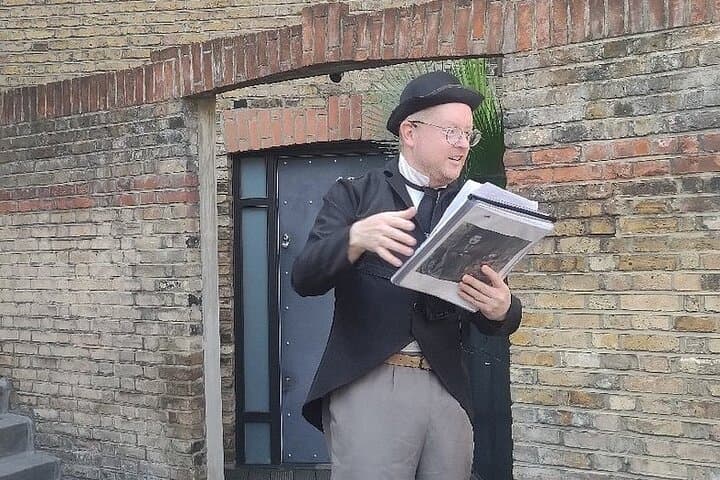
This two‑hour guided walk traces Chaplin’s early life in late‑Victorian Kennington and Brixton, from houses and workhouse‑era streets to the corner where he first practiced his comic walk. Your guide maps social history onto the physical fabric: Victorian poverty, music‑hall culture and the informal networks that launched a child performer into the global stage.
Geology and architecture are quieter companions here — London clay and Georgian/Victorian brick terraces, soot-darkened facades and narrow alleys shaped by rapid 19th‑century urban growth. Cultural context matters: talk of Chaplin’s family, his mother’s mental health and his brother Sydney’s role sits alongside descriptions of local institutions and the performance circuits that carried him to the U.S.
Practicalities are simple and urban: expect flat to gently undulating pavements, frequent stops for stories and a finish at the spot linked to his famous walk. The route is accessible, with public transport nearby and modest fitness required; bring weatherproof layers, comfortable shoes and oystercard/contactless payment for onward travel. The walk balances biography and place — it’s an active history lesson that places you in the shoes (and the shoes of) a young performer learning to command a crowd.
moderate.
1.5–2 hours.
Suitable for people who can walk continually for up to two hours at a steady urban pace; some standing during storytelling.
Meet outside Kennington Tube Station (Northern line). The station entrance is on the main road and your guide will be waiting at the obvious meeting point near the station signage.
Yes — the walk follows pavements and accessible surfaces; the provider lists wheelchair accessibility, but contact them before booking to confirm specific assistance needs.
The walk passes sites associated with Chaplin’s life and points out exterior features; it does not include entry into private residences.
Tours are guided in English and shared groups can be up to around 30 people; check availability for private or smaller group options.
Kennington in the late 19th century was a densely populated, working‑class district; Chaplin’s early years there were marked by poverty and exposure to music‑hall culture that shaped his work.
This is an urban heritage walk — protect streetscapes by staying on public paths, avoid touching fragile facades and support local businesses rather than leaving waste.
Cultureseekers operates guided outdoor trips and adventures with an emphasis on safety, stewardship, and memorable experiences.
You step out of Kennington Tube and the streets take on the cadence of a music hall — cobbled terraces, narrow lanes and shopfronts that would have framed a young performer’s world.
You step out of Kennington Tube and the streets take on the cadence of a music hall — cobbled terraces, narrow lanes and shopfronts that would have framed a young performer’s world.
This two‑hour guided walk traces Chaplin’s early life in late‑Victorian Kennington and Brixton, from houses and workhouse‑era streets to the corner where he first practiced his comic walk. Your guide maps social history onto the physical fabric: Victorian poverty, music‑hall culture and the informal networks that launched a child performer into the global stage.
Geology and architecture are quieter companions here — London clay and Georgian/Victorian brick terraces, soot-darkened facades and narrow alleys shaped by rapid 19th‑century urban growth. Cultural context matters: talk of Chaplin’s family, his mother’s mental health and his brother Sydney’s role sits alongside descriptions of local institutions and the performance circuits that carried him to the U.S.
Practicalities are simple and urban: expect flat to gently undulating pavements, frequent stops for stories and a finish at the spot linked to his famous walk. The route is accessible, with public transport nearby and modest fitness required; bring weatherproof layers, comfortable shoes and oystercard/contactless payment for onward travel. The walk balances biography and place — it’s an active history lesson that places you in the shoes (and the shoes of) a young performer learning to command a crowd.