THE ADVENTURE COLLECTIVE® · Independent discovery and booking for outdoor travel

Walk Chapinero’s lively streets to see Bogotá’s northern neighborhoods through architecture, coffee culture and local routines. This 2–3 hour guided tour mixes history, food stops and neighborhood insights.
Walk Chapinero’s lively streets to see Bogotá’s northern neighborhoods through architecture, coffee culture and local routines. This 2–3 hour guided tour mixes history, food stops and neighborhood insights.
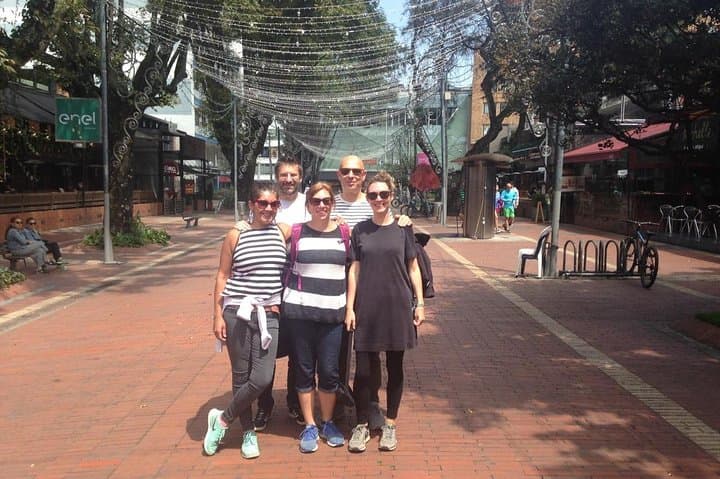
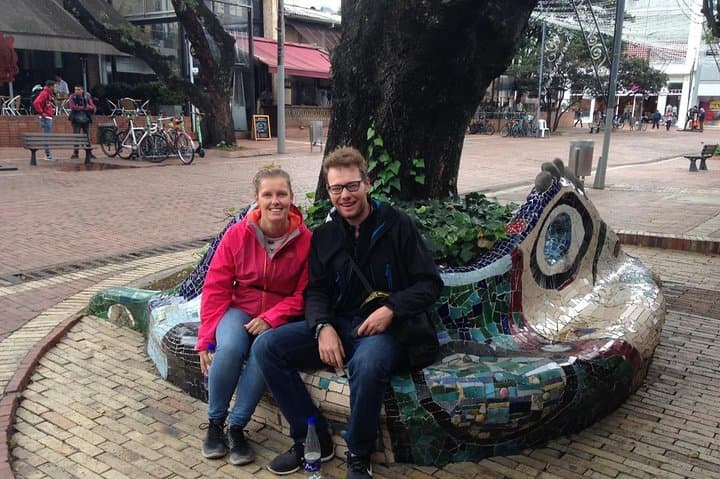
The group moves through Chapinero on foot: a ribbon of broad sidewalks, mid‑century apartment facades, and bursts of street life where cafés spill onto the pavement. Guides steer you from the polished glass of the financial strips to the quieter blocks lined with English and Republican‑era houses, pausing to explain how this quarter shifted from elite residential plots to a center of cuisine, nightlife and multicultural life.
Verified experiences and guided adventures in the surrounding area.
Operated by Walking tour bogota by (The True Colombian Experience) · Bogotá, Bogotá, D.C.
The group moves through Chapinero on foot: a ribbon of broad sidewalks, mid‑century apartment facades, and bursts of street life where cafés spill onto the pavement. Guides steer you from the polished glass of the financial strips to the quieter blocks lined with English and Republican‑era houses, pausing to explain how this quarter shifted from elite residential plots to a center of cuisine, nightlife and multicultural life.
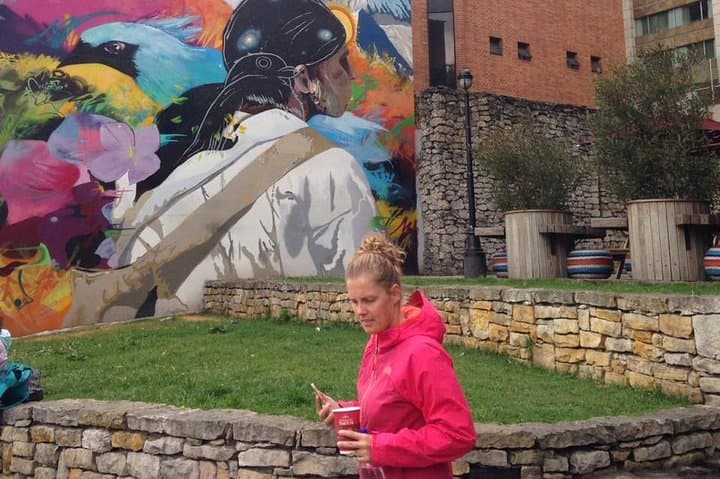
Chapinero’s story is urban geology—layers of planning, migration and commerce stacked since the 19th century. You’ll hear how coffee shaped neighborhood rhythms, why Zona T and Parque 93 became social hubs, and how architecture and public space reflect Bogotá’s political and cultural changes, including difficult episodes of conflict that marked public memory.
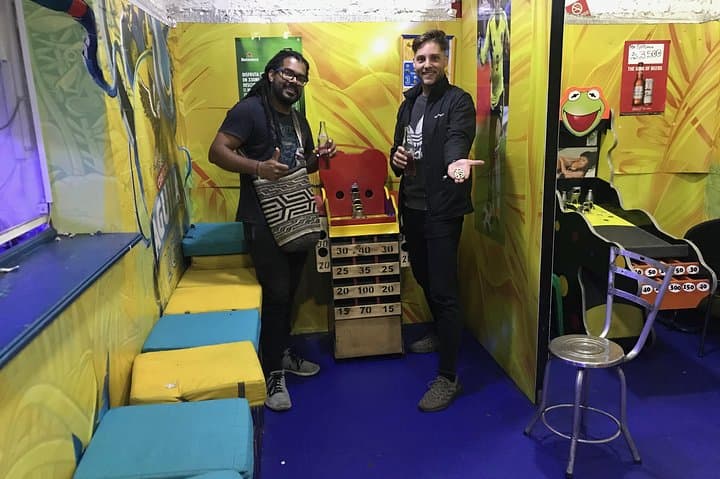
The walk mixes cultural history with lived details: local drinking games, craft breweries, and the small plazas where residents meet. It’s practical—expect paved streets, occasional steep blocks (Chapinerino sits on Bogotá’s northern slope), and a tour length of roughly two to three hours with short pauses for snacks and a traditional ‘Rana’ game.
Bring sensible footwear, carry a refillable bottle, and time the tour mid‑afternoon to avoid morning fog or late afternoon showers. Guides aim for an inclusive, conversational pace; the tour is wheelchair‑accessible on main stretches but includes some cobbled or sloped areas. By the end, Chapinero feels less like a postcard and more like a city you can read: dynamic, sometimes messy, and always on the move.
easy.
2–3 hours.
Suitable for most fitness levels; requires walking on flat and sloped urban streets for up to three hours.
Meeting points are typically in a central Chapinero plaza or a specified address near Zona T; check your booking confirmation for the exact location and arrive 10 minutes early.
Main stretches and many streets are wheelchair accessible, but expect some cobbled or sloped sections where assistance may be required; contact the operator in advance for accommodations.
The tour includes snacks (abejorrado-style) and a local beer or coffee/tea during the route; additional purchases at cafés are optional.
Tours are typically conducted in Spanish; English availability varies—confirm language options when booking.
Chapinero grew from 19th‑century suburban estates into a dense, diverse district—its architecture reflects English and Republican influence and a 20th‑century commercial shift toward nightlife and gastronomy.
Use public transport, walk where possible and avoid single‑use plastics; local programs promote bike lanes and neighborhood waste reduction to limit urban impact.
Walking tour bogota by (The True Colombian Experience) operates guided outdoor trips and adventures with an emphasis on safety, stewardship, and memorable experiences.
The group moves through Chapinero on foot: a ribbon of broad sidewalks, mid‑century apartment facades, and bursts of street life where cafés spill onto the pavement. Guides steer you from the polished glass of the financial strips to the quieter blocks lined with English and Republican‑era houses, pausing to explain how this quarter shifted from elite residential plots to a center of cuisine, nightlife and multicultural life.
The group moves through Chapinero on foot: a ribbon of broad sidewalks, mid‑century apartment facades, and bursts of street life where cafés spill onto the pavement. Guides steer you from the polished glass of the financial strips to the quieter blocks lined with English and Republican‑era houses, pausing to explain how this quarter shifted from elite residential plots to a center of cuisine, nightlife and multicultural life.
Chapinero’s story is urban geology—layers of planning, migration and commerce stacked since the 19th century. You’ll hear how coffee shaped neighborhood rhythms, why Zona T and Parque 93 became social hubs, and how architecture and public space reflect Bogotá’s political and cultural changes, including difficult episodes of conflict that marked public memory.
The walk mixes cultural history with lived details: local drinking games, craft breweries, and the small plazas where residents meet. It’s practical—expect paved streets, occasional steep blocks (Chapinerino sits on Bogotá’s northern slope), and a tour length of roughly two to three hours with short pauses for snacks and a traditional ‘Rana’ game.
Bring sensible footwear, carry a refillable bottle, and time the tour mid‑afternoon to avoid morning fog or late afternoon showers. Guides aim for an inclusive, conversational pace; the tour is wheelchair‑accessible on main stretches but includes some cobbled or sloped areas. By the end, Chapinero feels less like a postcard and more like a city you can read: dynamic, sometimes messy, and always on the move.