THE ADVENTURE COLLECTIVE® · Independent discovery and booking for outdoor travel

Walk Franklin Street after dark and follow a guide through four of Chapel Hill’s most unsettling, well-documented cases. This compact, one-hour tour blends verified history, local context, and practical storytelling.
Walk Franklin Street after dark and follow a guide through four of Chapel Hill’s most unsettling, well-documented cases. This compact, one-hour tour blends verified history, local context, and practical storytelling.
The air on Franklin Street takes on a different edge after dark — porch lights dim, the university quad goes quiet, and the guide leans in to tell a story that makes the pavement feel younger and a little sharper.
Verified experiences and guided adventures in the surrounding area.
Operated by Triangle Walking Tours · Chapel Hill, North Carolina
The air on Franklin Street takes on a different edge after dark — porch lights dim, the university quad goes quiet, and the guide leans in to tell a story that makes the pavement feel younger and a little sharper.
This one-hour walking tour surveys four sites tied to Chapel Hill’s darker chapters: unsolved murders, local controversies, and events that shaped community memory. Chapel Hill grew up around the University of North Carolina (chartered 1789), and the town’s brick streets and 19th-century houses form the stage for stories that cross student life, local politics, and long-term residents.
Geology here is gentle — rolling Piedmont hills and red clay that drains toward Jordan Lake — but the cultural landscape is layered: academic institutions, independent bookstores, and a small-town press that influence how events are recorded and remembered.
Expect narrative-driven stops where guides present verifiable facts, archival touches, and where applicable, local debate about interpretations. The tone is investigative rather than sensational; photographs and primary-source references are used when available.
Practical details: tours start outside Rougarou/Zog’s on Franklin Street and last about 60 minutes. The route is flat, on sidewalks and short crosswalks, and is wheelchair- and stroller-accessible. Wear comfortable shoes, bring a water bottle, and consider an extra layer for evening breezes. Respect private property and mourners’ spaces; photography is usually fine but follow the guide’s instructions.
Because stories touch on living people and sensitive events, be prepared for frank discussion and follow local guidelines for conduct. The walk is compact, historically grounded, and best taken with curiosity and respect.
easy.
1 hour.
Suitable for most fitness levels; expect about 0.5–1.5 miles of easy walking and periods of standing.
Yes — the route uses city sidewalks and is listed as wheelchair- and stroller-accessible; contact the operator ahead of time for specific accommodations.
Most tours run evenings and last about one hour; there are no formal age restrictions, but content may be sensitive for younger children.
Photography is generally allowed but follow the guide’s direction at sensitive sites and avoid photographing private residences when requested.
This operator lists all sales final; confirm timing and participants before booking as refunds are not available.
Chapel Hill developed around the University of North Carolina in the late 18th and 19th centuries; many local stories intersect student life, municipal politics, and small-business culture on Franklin Street.
Stay on sidewalks and public spaces, avoid trespassing on private property, and follow Leave No Trace principles for urban sites: don’t remove artifacts or disturb memorials.
Triangle Walking Tours operates guided outdoor trips and adventures with an emphasis on safety, stewardship, and memorable experiences.
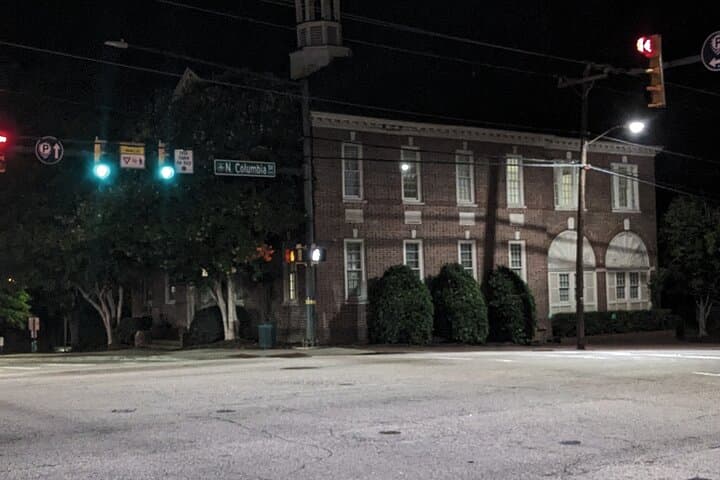
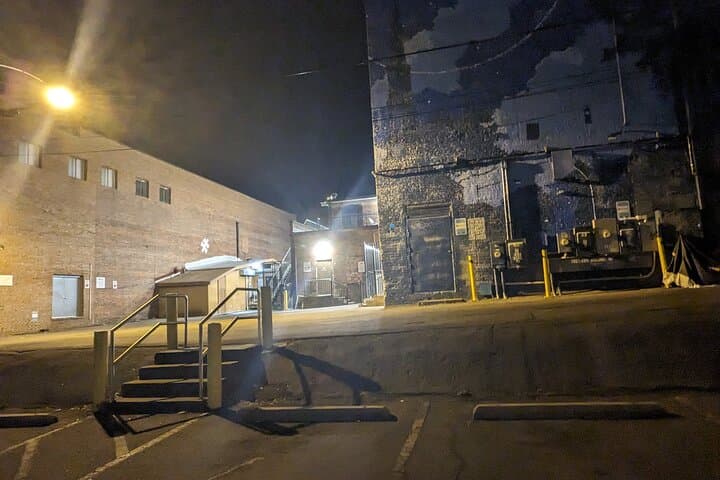
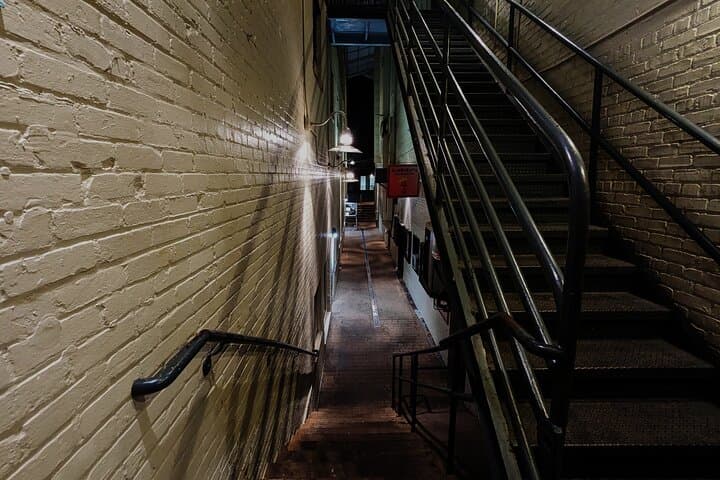
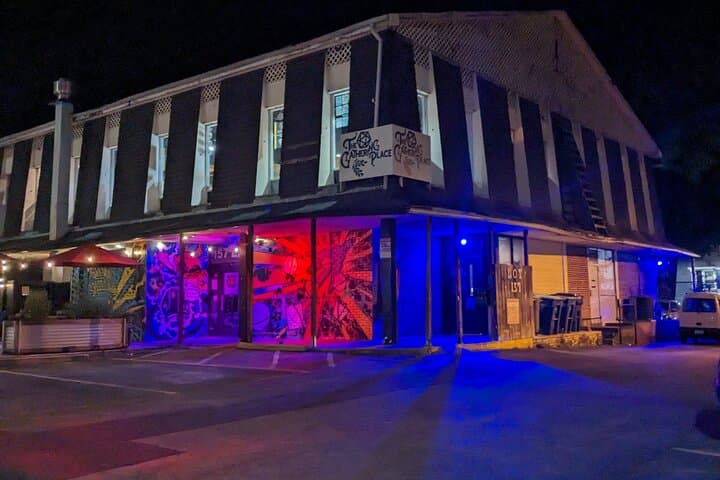
The air on Franklin Street takes on a different edge after dark — porch lights dim, the university quad goes quiet, and the guide leans in to tell a story that makes the pavement feel younger and a little sharper.
The air on Franklin Street takes on a different edge after dark — porch lights dim, the university quad goes quiet, and the guide leans in to tell a story that makes the pavement feel younger and a little sharper.
This one-hour walking tour surveys four sites tied to Chapel Hill’s darker chapters: unsolved murders, local controversies, and events that shaped community memory. Chapel Hill grew up around the University of North Carolina (chartered 1789), and the town’s brick streets and 19th-century houses form the stage for stories that cross student life, local politics, and long-term residents.
Geology here is gentle — rolling Piedmont hills and red clay that drains toward Jordan Lake — but the cultural landscape is layered: academic institutions, independent bookstores, and a small-town press that influence how events are recorded and remembered.
Expect narrative-driven stops where guides present verifiable facts, archival touches, and where applicable, local debate about interpretations. The tone is investigative rather than sensational; photographs and primary-source references are used when available.
Practical details: tours start outside Rougarou/Zog’s on Franklin Street and last about 60 minutes. The route is flat, on sidewalks and short crosswalks, and is wheelchair- and stroller-accessible. Wear comfortable shoes, bring a water bottle, and consider an extra layer for evening breezes. Respect private property and mourners’ spaces; photography is usually fine but follow the guide’s instructions.
Because stories touch on living people and sensitive events, be prepared for frank discussion and follow local guidelines for conduct. The walk is compact, historically grounded, and best taken with curiosity and respect.