THE ADVENTURE COLLECTIVE® · Independent discovery and booking for outdoor travel

Walk the streets where Southern LGBTQ+ organizing took root. This 60-minute Chapel Hill tour visits key sites—from community meeting places to historic storefronts—offering local context and practical tips for a thoughtful visit.
Walk the streets where Southern LGBTQ+ organizing took root. This 60-minute Chapel Hill tour visits key sites—from community meeting places to historic storefronts—offering local context and practical tips for a thoughtful visit.
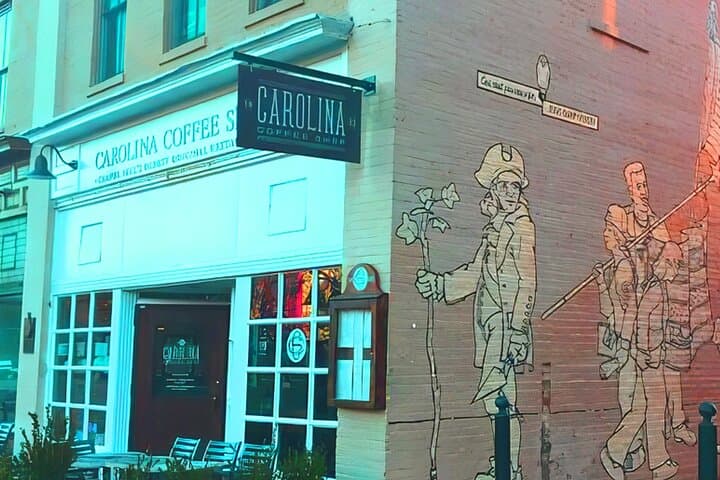
You step onto Henderson Street and the town opens like a chapter—brick storefronts, students moving with purpose, and the low hum of Chapel Hill life framing each stop.
Verified experiences and guided adventures in the surrounding area.
Operated by Triangle Walking Tours · Chapel Hill, North Carolina
You step onto Henderson Street and the town opens like a chapter—brick storefronts, students moving with purpose, and the low hum of Chapel Hill life framing each stop.
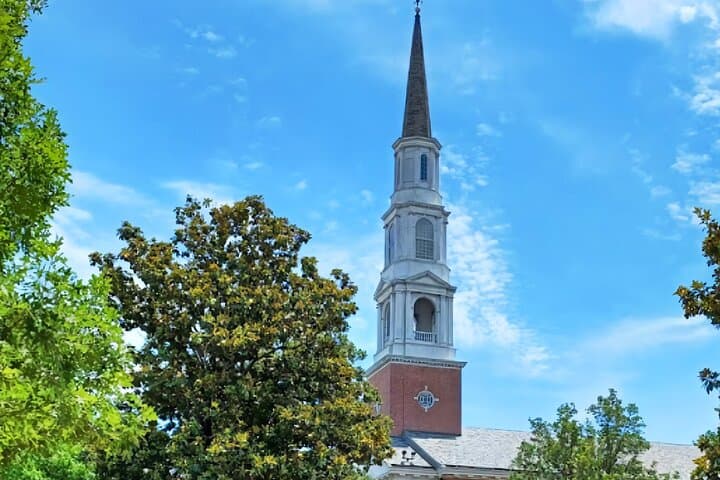
This one-hour walking tour threads between landmarks that shaped Southern LGBTQ+ activism: the former site of The Tempo Room, where community gatherings found a home; the Chapel of the Cross, a quiet counterpoint in civic life; and the meeting place of the Carolina Gay Alliance, where early organizing took shape. The route moves through downtown Chapel Hill—part university town, part small-city crossroads—set on the rolling Piedmont plateau where red clay and oak-lined streets keep the pace human.
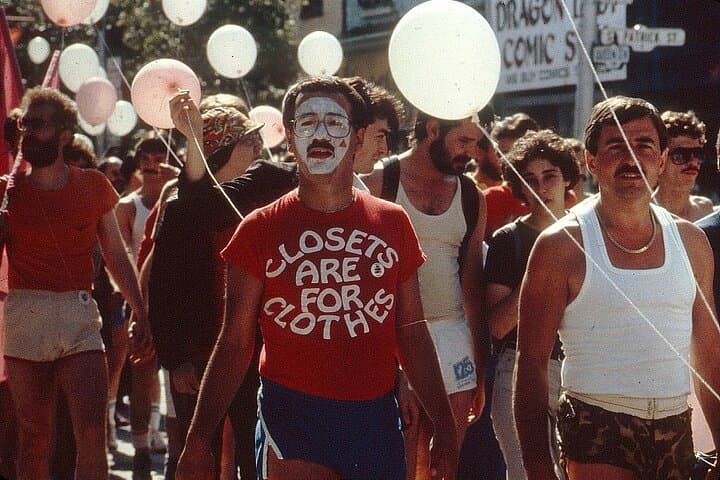
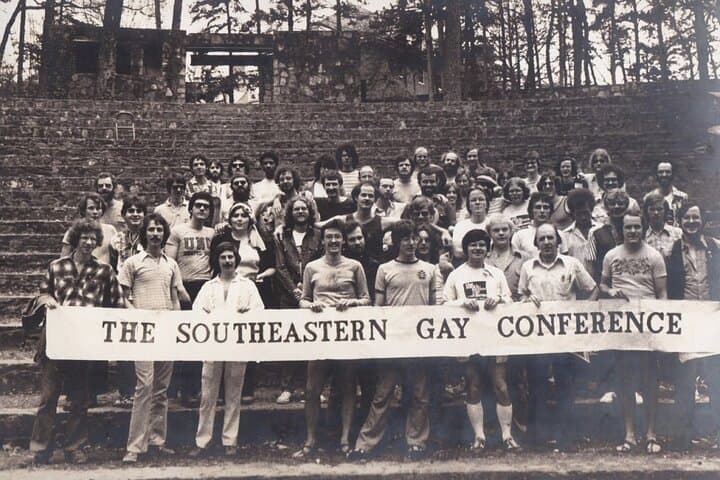
History here is tangible. Chapel Hill earned its nickname as a locus of early gay student organizing and civic representation in the South; that local activism rippled into statewide and regional progress. The town’s cultural fabric reflects university influence, a tolerant civic culture, and the steady work of volunteers and activists who turned private gatherings into public recognition.
Practical details matter: the tour meets outside Rougarou on Henderson Street, runs about 60 minutes, and is wheelchair accessible. Expect mostly paved sidewalks and short walking distances between stops, so wear comfortable shoes and bring water in warm months. Mornings and late afternoons avoid peak heat and the busiest campus hours.
Finish with time to linger—browse a nearby bookstore, grab coffee, or visit the small plaques and storefronts that mark this history. This tour is compact but dense: it gives clarity to how local places and people shaped a broader movement and offers a grounded, walkable way to see that story in situ.
easy.
1 hour.
Suitable for all fitness levels; expect short walks and standing at stops
The tour lasts about 60 minutes and covers short distances on paved sidewalks—suitable for most walkers and wheelchair users.
The meeting spot is outside Rougarou on Henderson Street; there is usually streetside parking or a parking deck across the street.
Yes—children and families are welcome; the content covers historical and civic topics best suited to school-age kids and older.
Yes—service animals are allowed and the route is stroller accessible with curb cuts and paved surfaces.
Chapel Hill hosted one of the earliest gay student associations in North Carolina and elected one of the South’s first openly gay officials—local organizing helped normalize visibility across the region.
Downtown preservation keeps historic storefronts intact; visitors are encouraged to respect signage and private property and to support local businesses that sustain cultural heritage.
Triangle Walking Tours operates guided outdoor trips and adventures with an emphasis on safety, stewardship, and memorable experiences.
You step onto Henderson Street and the town opens like a chapter—brick storefronts, students moving with purpose, and the low hum of Chapel Hill life framing each stop.
You step onto Henderson Street and the town opens like a chapter—brick storefronts, students moving with purpose, and the low hum of Chapel Hill life framing each stop.
This one-hour walking tour threads between landmarks that shaped Southern LGBTQ+ activism: the former site of The Tempo Room, where community gatherings found a home; the Chapel of the Cross, a quiet counterpoint in civic life; and the meeting place of the Carolina Gay Alliance, where early organizing took shape. The route moves through downtown Chapel Hill—part university town, part small-city crossroads—set on the rolling Piedmont plateau where red clay and oak-lined streets keep the pace human.
History here is tangible. Chapel Hill earned its nickname as a locus of early gay student organizing and civic representation in the South; that local activism rippled into statewide and regional progress. The town’s cultural fabric reflects university influence, a tolerant civic culture, and the steady work of volunteers and activists who turned private gatherings into public recognition.
Practical details matter: the tour meets outside Rougarou on Henderson Street, runs about 60 minutes, and is wheelchair accessible. Expect mostly paved sidewalks and short walking distances between stops, so wear comfortable shoes and bring water in warm months. Mornings and late afternoons avoid peak heat and the busiest campus hours.
Finish with time to linger—browse a nearby bookstore, grab coffee, or visit the small plaques and storefronts that mark this history. This tour is compact but dense: it gives clarity to how local places and people shaped a broader movement and offers a grounded, walkable way to see that story in situ.