THE ADVENTURE COLLECTIVE® · Independent discovery and booking for outdoor travel

Walk through Chapel Hill’s historic core to see Gothic steeples, neoclassical façades and neighborhood stories shaped by the university. This one-hour guided tour combines architectural detail with local history—and practical tips for getting the most from a short, accessible stroll.
Walk through Chapel Hill’s historic core to see Gothic steeples, neoclassical façades and neighborhood stories shaped by the university. This one-hour guided tour combines architectural detail with local history—and practical tips for getting the most from a short, accessible stroll.
Stand on the sidewalk outside Rougarou and the town unfolds like a neighborhood museum: brick façades, stained-glass reflections, and steeples that mark Chapel Hill’s skyline. The guide leads you down shady streets where oaks tilt their branches and the occasional creek seems to hurry past, as if pushing you toward the next porch and plaque.
Verified experiences and guided adventures in the surrounding area.
Operated by Triangle Walking Tours · Chapel Hill, North Carolina
Stand on the sidewalk outside Rougarou and the town unfolds like a neighborhood museum: brick façades, stained-glass reflections, and steeples that mark Chapel Hill’s skyline. The guide leads you down shady streets where oaks tilt their branches and the occasional creek seems to hurry past, as if pushing you toward the next porch and plaque.
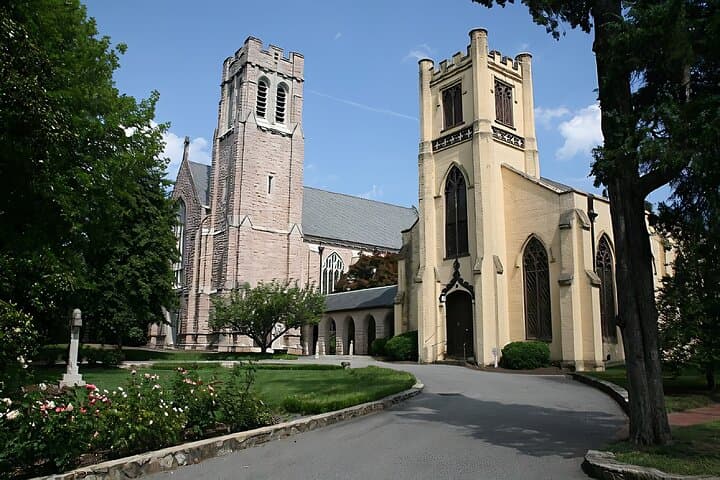
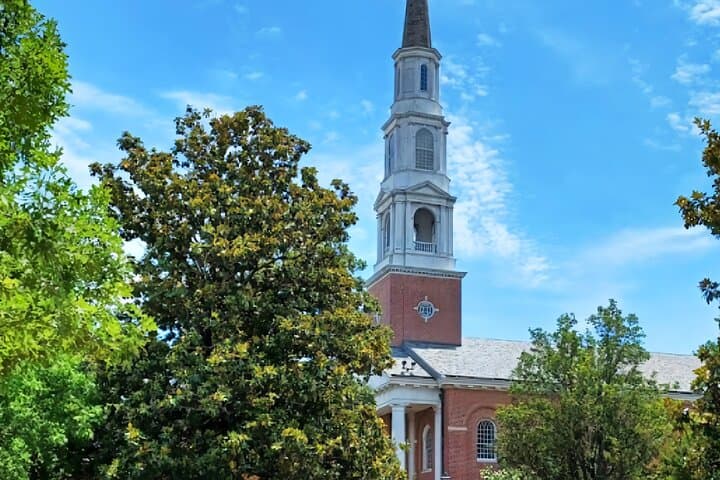
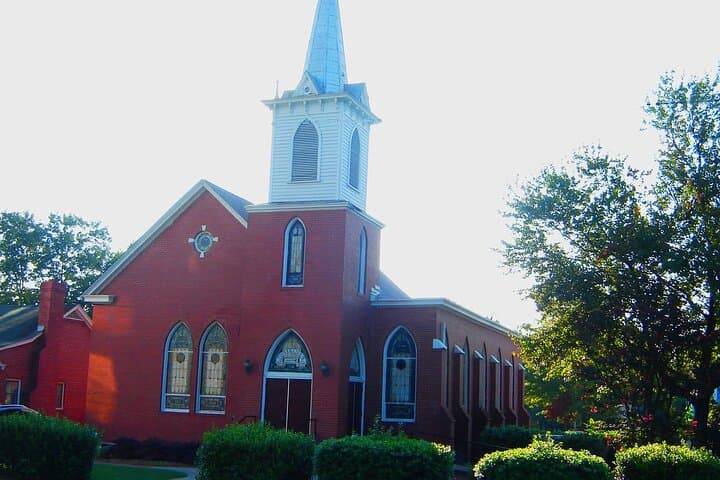
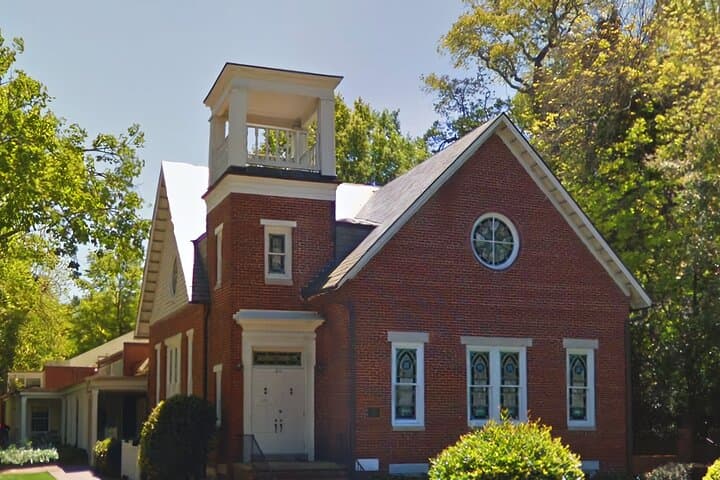
This one-hour walking tour threads through a compact historical district shaped by the University of North Carolina and centuries of congregational life. You’ll pass University Methodist, the Chapel of the Cross, St. Paul AME and other churches that map religious, racial and architectural shifts across the 19th and 20th centuries. The buildings reflect regional materials—red brick and local stone—and styles from Gothic revival pointed arches to restrained neoclassical columns, each tied to different moments in town growth.
Chapel Hill’s geology—Piedmont rolling hills and red clay—helped locate early settlements and influenced building foundations; the university’s presence brought funding and patrons who shaped grander church commissions. Expect local anecdotes about founder families, civil rights-era congregations, and how congregations adapted to an expanding college town.
Practical notes: the tour is a relaxed, mostly level walk suitable for most abilities; churches are often closed on Saturdays so interiors may be viewed only from outside. Wear comfortable walking shoes, bring water and a sun layer, and plan for street parking or nearby garages. Morning or late-afternoon tours offer softer light for photos and cooler temperatures. For visitors who want richer detail, ask about archival photos and where to find trail maps linking nearby university landmarks.
easy.
1 hour.
Suitable for most fitness levels; low-impact walking on sidewalks with occasional curb ramps
Not typically—many churches are closed on Saturdays, so the tour focuses on exterior architecture and historical context.
Yes; the route uses paved sidewalks and curb cuts, and the tour is listed as wheelchair accessible.
This listing offers a private guided experience, so your booked party will be the group on the tour.
For a full refund cancel at least 24 hours before the scheduled start time.
Chapel Hill grew around the University of North Carolina after the late 18th century; many churches reflect the town’s 19th- and early 20th-century civic and racial history tied to the campus.
Local preservation groups maintain historic exteriors and advocate adaptive reuse; visitors are asked to stick to paths, avoid disturbing sites and respect church grounds.
Triangle Walking Tours operates guided outdoor trips and adventures with an emphasis on safety, stewardship, and memorable experiences.
Stand on the sidewalk outside Rougarou and the town unfolds like a neighborhood museum: brick façades, stained-glass reflections, and steeples that mark Chapel Hill’s skyline. The guide leads you down shady streets where oaks tilt their branches and the occasional creek seems to hurry past, as if pushing you toward the next porch and plaque.
Stand on the sidewalk outside Rougarou and the town unfolds like a neighborhood museum: brick façades, stained-glass reflections, and steeples that mark Chapel Hill’s skyline. The guide leads you down shady streets where oaks tilt their branches and the occasional creek seems to hurry past, as if pushing you toward the next porch and plaque.
This one-hour walking tour threads through a compact historical district shaped by the University of North Carolina and centuries of congregational life. You’ll pass University Methodist, the Chapel of the Cross, St. Paul AME and other churches that map religious, racial and architectural shifts across the 19th and 20th centuries. The buildings reflect regional materials—red brick and local stone—and styles from Gothic revival pointed arches to restrained neoclassical columns, each tied to different moments in town growth.
Chapel Hill’s geology—Piedmont rolling hills and red clay—helped locate early settlements and influenced building foundations; the university’s presence brought funding and patrons who shaped grander church commissions. Expect local anecdotes about founder families, civil rights-era congregations, and how congregations adapted to an expanding college town.
Practical notes: the tour is a relaxed, mostly level walk suitable for most abilities; churches are often closed on Saturdays so interiors may be viewed only from outside. Wear comfortable walking shoes, bring water and a sun layer, and plan for street parking or nearby garages. Morning or late-afternoon tours offer softer light for photos and cooler temperatures. For visitors who want richer detail, ask about archival photos and where to find trail maps linking nearby university landmarks.