THE ADVENTURE COLLECTIVE® · Independent discovery and booking for outdoor travel

Nine days of waterfalls, caves and table mountains from Salvador to Lençóis. This private tour blends hikes, swims and cultural stops with guided access to rarely visited pools and canyons.
Nine days of waterfalls, caves and table mountains from Salvador to Lençóis. This private tour blends hikes, swims and cultural stops with guided access to rarely visited pools and canyons.
You step out of the van into a dry wind that pushes through spiny cactuses and grasses; the plateau ahead holds the sound of water where the land falls away. Over the next nine days you move between the colonial colour of Lençóis and wild plateaus—swimming in cobalt pools, threading caves lit by shafts of sunlight, and standing on Pai Inácio as the valley exhales beneath you.
Verified experiences and guided adventures in the surrounding area.
Operated by Boutique Travel Experts · Lençóis, Bahia
You step out of the van into a dry wind that pushes through spiny cactuses and grasses; the plateau ahead holds the sound of water where the land falls away. Over the next nine days you move between the colonial colour of Lençóis and wild plateaus—swimming in cobalt pools, threading caves lit by shafts of sunlight, and standing on Pai Inácio as the valley exhales beneath you.
Geology here is honest and exposed: sandstone mesas and karst limestone carve caves and sinkholes while seasonal rivers sculpt canyons and plunge into curtains of water. The region’s human story is braided with diamond rushes of the 19th century and the Afro‑Baiano culture of Salvador, visible in food, music and local festivals. Small villages like Igatu keep open‑air galleries and stone streets from that mining past.
Expect a mix of gentle walks, full‑day treks and short canyon approaches; some sites require modest scrambling and swimming. Nature has its own temperament — waterfalls dare you to cool off; caves invite slow exploration. Local guides read the routes and currents; they’ll point out endemic flora and tell the origin stories of grottoes and trails.
Practical tips: arrive with solid hiking shoes and a swim kit, start key visits early to beat crowds and mid‑day heat, and carry a daypack with water and a light rain layer. Respect fragile cave formations and follow guide instructions for canyon descents. With a moderate level of fitness and a sense of curiosity, this itinerary delivers a compact, varied portrait of Chapada Diamantina’s landscape and culture.
moderate.
9 days.
Moderate — you should be comfortable with daily hikes of several hours, uneven terrain, and occasional swimming; a basic level of stamina and balance is required.
Moderate fitness is recommended—daily walks of 2–6 hours, some uneven terrain and optional canyoning; guides adapt pace but basic stamina helps.
Dry months (May–September) offer clearer hiking and dramatic waterfalls that can be wind‑sprayed; rainy season (Dec–Mar) brings fuller rivers but intermittent access issues.
No — swimming at pools and canyon approaches are optional; guides will offer alternatives for those who prefer to stay dry.
Bring enough Brazilian reais for tips, snacks and small purchases; ATMs are available in Lençóis but can be limited in remote villages.
Chapada’s modern identity grew from 19th‑century diamond mining and later conservation efforts; small towns still reflect mining architecture and Afro‑Baiano cultural links to Salvador.
Much of the area lies within Chapada Diamantina National Park—follow leave‑no‑trace practices, avoid touching stalactites, and support local guides and small businesses.
Boutique Travel Experts operates guided outdoor trips and adventures with an emphasis on safety, stewardship, and memorable experiences.
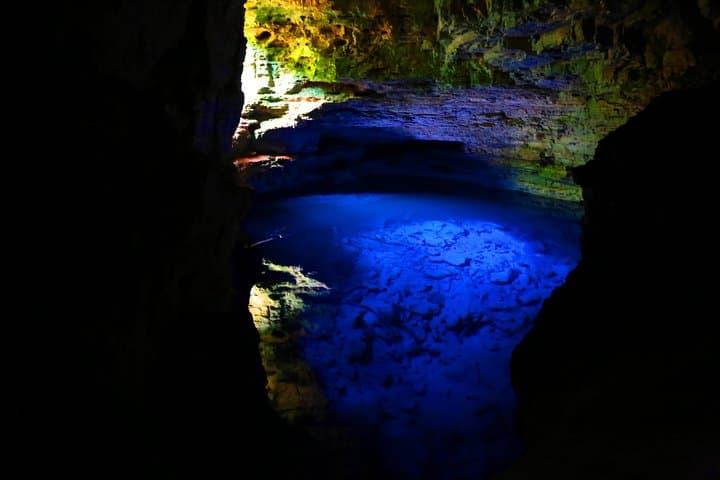
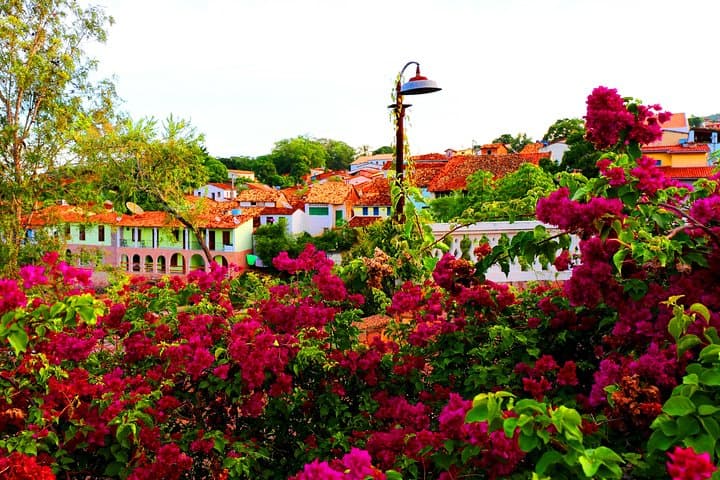
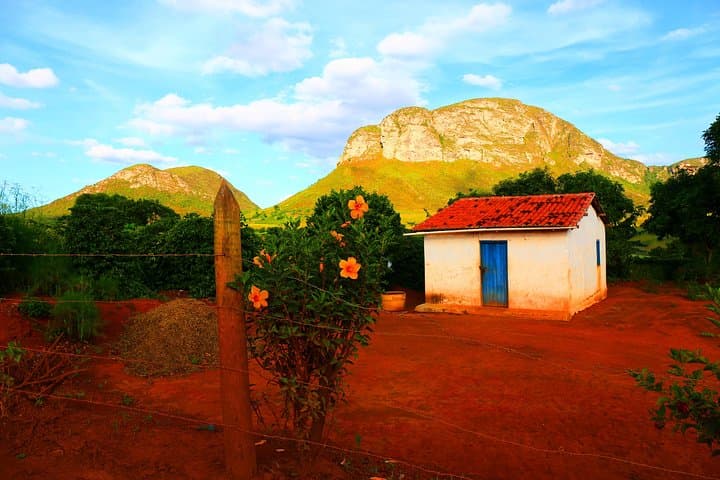
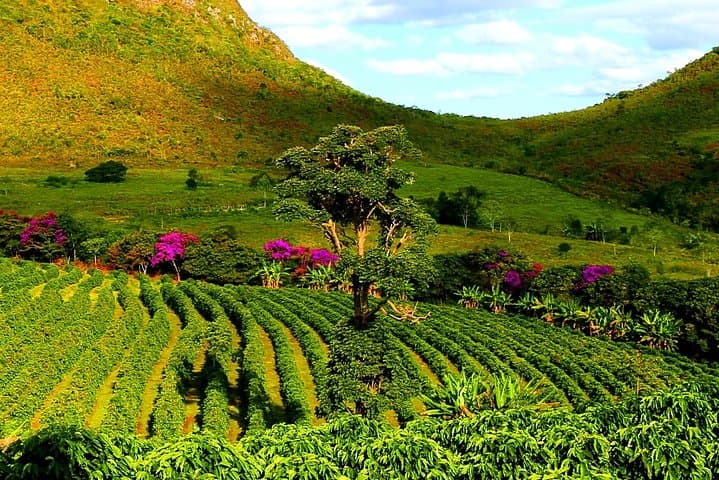
You step out of the van into a dry wind that pushes through spiny cactuses and grasses; the plateau ahead holds the sound of water where the land falls away. Over the next nine days you move between the colonial colour of Lençóis and wild plateaus—swimming in cobalt pools, threading caves lit by shafts of sunlight, and standing on Pai Inácio as the valley exhales beneath you.
You step out of the van into a dry wind that pushes through spiny cactuses and grasses; the plateau ahead holds the sound of water where the land falls away. Over the next nine days you move between the colonial colour of Lençóis and wild plateaus—swimming in cobalt pools, threading caves lit by shafts of sunlight, and standing on Pai Inácio as the valley exhales beneath you.
Geology here is honest and exposed: sandstone mesas and karst limestone carve caves and sinkholes while seasonal rivers sculpt canyons and plunge into curtains of water. The region’s human story is braided with diamond rushes of the 19th century and the Afro‑Baiano culture of Salvador, visible in food, music and local festivals. Small villages like Igatu keep open‑air galleries and stone streets from that mining past.
Expect a mix of gentle walks, full‑day treks and short canyon approaches; some sites require modest scrambling and swimming. Nature has its own temperament — waterfalls dare you to cool off; caves invite slow exploration. Local guides read the routes and currents; they’ll point out endemic flora and tell the origin stories of grottoes and trails.
Practical tips: arrive with solid hiking shoes and a swim kit, start key visits early to beat crowds and mid‑day heat, and carry a daypack with water and a light rain layer. Respect fragile cave formations and follow guide instructions for canyon descents. With a moderate level of fitness and a sense of curiosity, this itinerary delivers a compact, varied portrait of Chapada Diamantina’s landscape and culture.