THE ADVENTURE COLLECTIVE® · Independent discovery and booking for outdoor travel

Float between Bangkok’s temples, markets, and modern riverside malls with a one-day Chao Phraya hop-on hop-off pass. Quick departures and convenient piers make it an efficient, low-effort way to explore the city by water.
Float between Bangkok’s temples, markets, and modern riverside malls with a one-day Chao Phraya hop-on hop-off pass. Quick departures and convenient piers make it an efficient, low-effort way to explore the city by water.
The river greets you first: a broad, slow current threading through Bangkok, sampans and barges cutting wakes that shimmer beneath sunlit temples. From the open-air deck the city unfolds — gilded spires of Wat Arun leaning toward the water, neon signs of Chinatown flickering, modern glass at ICONSIAM reflecting the same sky. The boat pulls up frequently; you step off into markets, temples, or riverside malls and the current keeps your day moving.
Verified experiences and guided adventures in the surrounding area.
Operated by Triplyn · Bangkok, Bangkok
The river greets you first: a broad, slow current threading through Bangkok, sampans and barges cutting wakes that shimmer beneath sunlit temples. From the open-air deck the city unfolds — gilded spires of Wat Arun leaning toward the water, neon signs of Chinatown flickering, modern glass at ICONSIAM reflecting the same sky. The boat pulls up frequently; you step off into markets, temples, or riverside malls and the current keeps your day moving.
The Chao Phraya has been Bangkok’s transport spine for centuries, shaping trade routes and neighborhoods from Rattanakosin Island to Thonburi. Riverbanks reveal layers of history: royal piers near the Grand Palace, immigrant enclaves like the Kudi Chin quarter, and contemporary developments at ICONSIAM. Geologically the river sits on alluvial plains, its banks reshaped by tides and seasonal monsoon flows — expect shifting light and occasional eddies where cargo boats churn the surface.
Practically, the 1-day hop-on hop-off pass converts transit into exploration. Boats run every 15–30 minutes between major piers (Tha Maharaj, Wat Arun, Sathorn/Saphan Taksin, ICONSIAM, Asiatique), so plan stops around fixed attractions: early morning for temples, late afternoon for sunset at Wat Arun, and evening for Asiatique’s night market. Bring sun protection and water; piers can be crowded and steps onto boats are narrow, so steady footing matters. Follow local etiquette at religious sites (cover shoulders and knees), keep valuables secure in busy markets, and respect vendors and riverside residents. The pass is low-effort but richly rewarding — a practical way to experience Bangkok’s riverine heartbeat with the freedom to wander where the water leads.
easy.
Full day (up to 24 hours).
Suitable for virtually all fitness levels; requires basic mobility for boarding and short walks at piers
The ticket is a 1-day hop-on hop-off pass valid for unlimited rides on the day selected; boats run frequently throughout the day.
No—show your voucher at any designated Chao Phraya Tourist Boat pier and board when the next boat arrives; boats run roughly every 15–30 minutes.
Yes—piers and boats are generally accessible, but check with staff at each pier for ramp availability and assistance when boarding.
Children under 90 cm ride free; check operator policies for older children and bring ID for age verification if needed.
The Chao Phraya shaped Bangkok’s growth—royal courts and trading communities settled along its banks, making the river a focal point of the city’s social and economic life.
The river faces pollution and siltation challenges; responsible visitors should avoid littering, use designated waste bins, and support local vendors practicing sustainable seafood and waste reduction.
Triplyn operates guided outdoor trips and adventures with an emphasis on safety, stewardship, and memorable experiences.
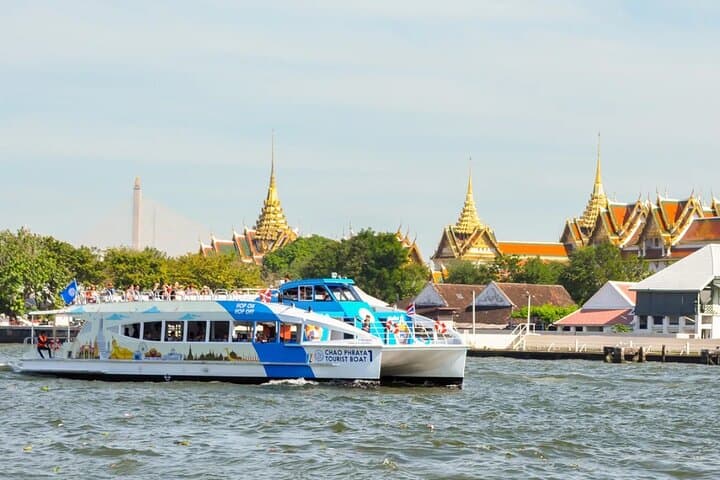
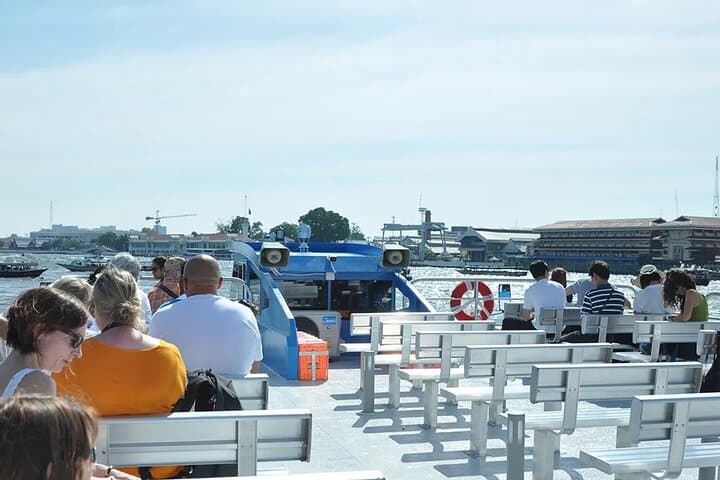
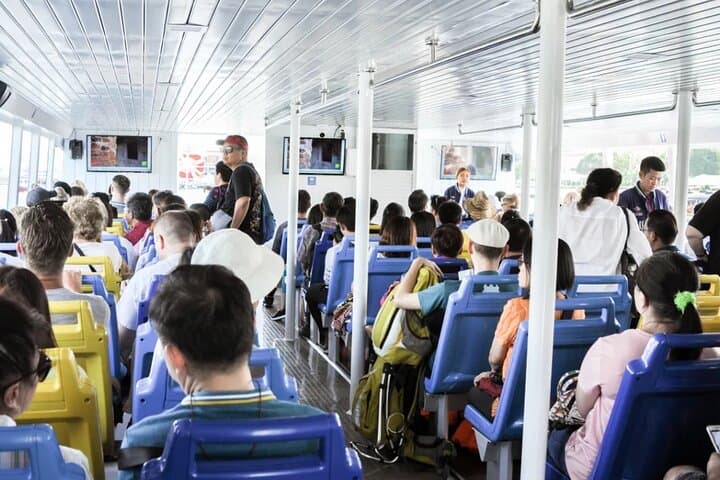
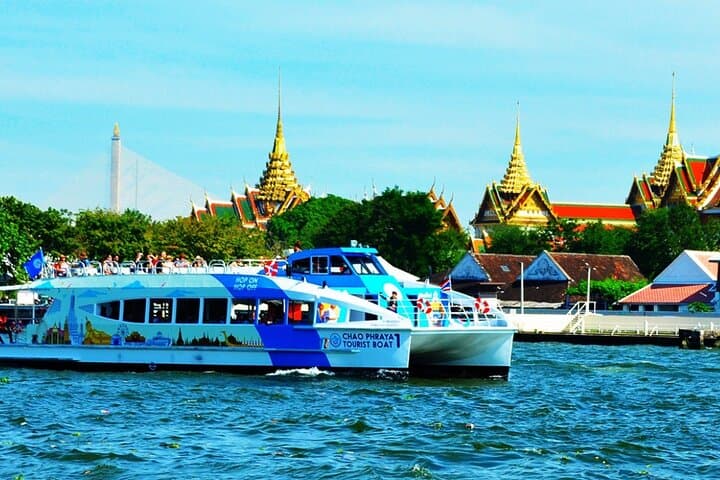
The river greets you first: a broad, slow current threading through Bangkok, sampans and barges cutting wakes that shimmer beneath sunlit temples. From the open-air deck the city unfolds — gilded spires of Wat Arun leaning toward the water, neon signs of Chinatown flickering, modern glass at ICONSIAM reflecting the same sky. The boat pulls up frequently; you step off into markets, temples, or riverside malls and the current keeps your day moving.
The river greets you first: a broad, slow current threading through Bangkok, sampans and barges cutting wakes that shimmer beneath sunlit temples. From the open-air deck the city unfolds — gilded spires of Wat Arun leaning toward the water, neon signs of Chinatown flickering, modern glass at ICONSIAM reflecting the same sky. The boat pulls up frequently; you step off into markets, temples, or riverside malls and the current keeps your day moving.
The Chao Phraya has been Bangkok’s transport spine for centuries, shaping trade routes and neighborhoods from Rattanakosin Island to Thonburi. Riverbanks reveal layers of history: royal piers near the Grand Palace, immigrant enclaves like the Kudi Chin quarter, and contemporary developments at ICONSIAM. Geologically the river sits on alluvial plains, its banks reshaped by tides and seasonal monsoon flows — expect shifting light and occasional eddies where cargo boats churn the surface.
Practically, the 1-day hop-on hop-off pass converts transit into exploration. Boats run every 15–30 minutes between major piers (Tha Maharaj, Wat Arun, Sathorn/Saphan Taksin, ICONSIAM, Asiatique), so plan stops around fixed attractions: early morning for temples, late afternoon for sunset at Wat Arun, and evening for Asiatique’s night market. Bring sun protection and water; piers can be crowded and steps onto boats are narrow, so steady footing matters. Follow local etiquette at religious sites (cover shoulders and knees), keep valuables secure in busy markets, and respect vendors and riverside residents. The pass is low-effort but richly rewarding — a practical way to experience Bangkok’s riverine heartbeat with the freedom to wander where the water leads.