THE ADVENTURE COLLECTIVE® · Independent discovery and booking for outdoor travel

Shallow reefs, white sand and an underwater sculpture trail make Chankanaab Park the easiest way to meet Cozumel’s marine life. This accessible coastal park blends beginner snorkeling, botanical gardens and Mayan history into a family-friendly half-day escape.
Shallow reefs, white sand and an underwater sculpture trail make Chankanaab Park the easiest way to meet Cozumel’s marine life. This accessible coastal park blends beginner snorkeling, botanical gardens and Mayan history into a family-friendly half-day escape.
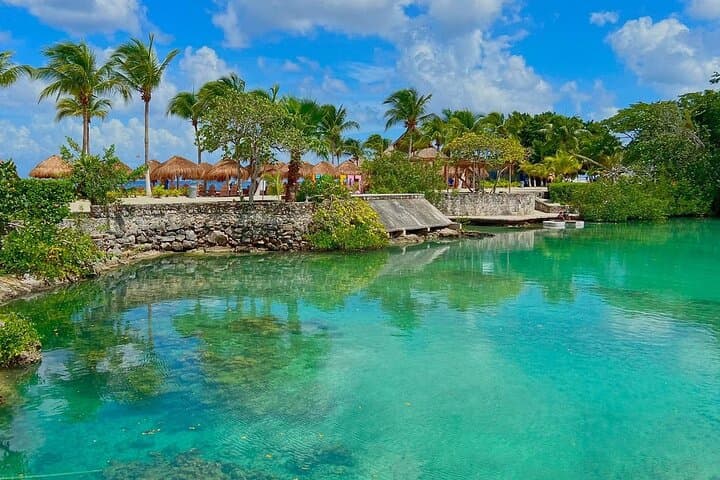
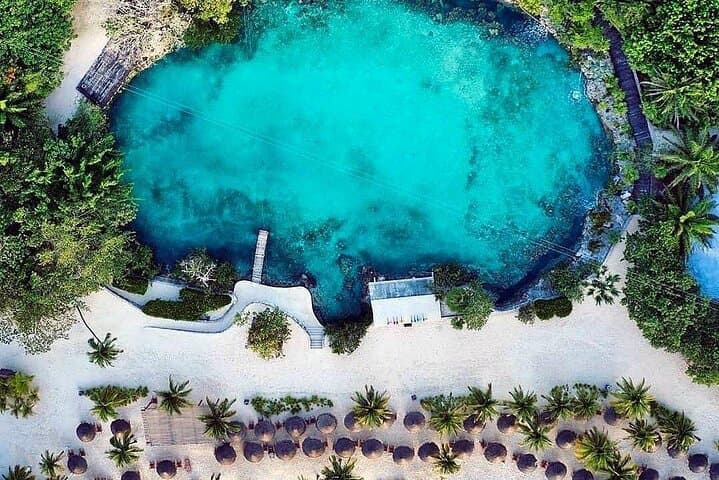
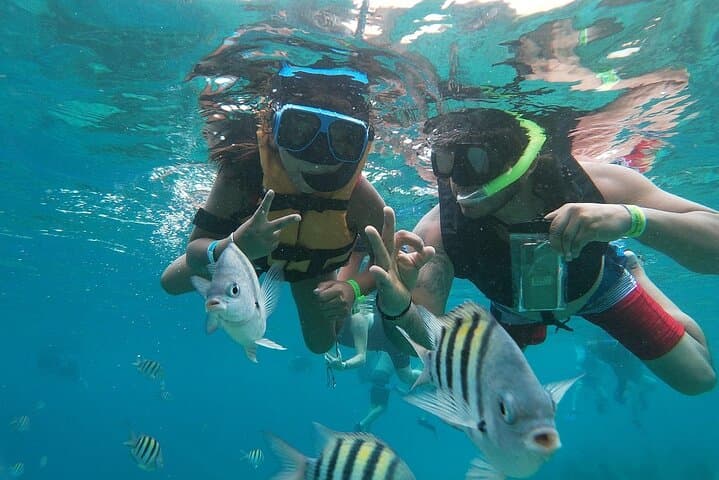
You step off the shuttle onto soft, white sand and the sea calls immediately—not with thunder but with a close, readable invitation. At Chankanaab Park the reef begins only meters from shore; the water is shallow enough that first-time snorkelers can peer down and watch parrotfish graze on coral while the current politely nudges you along.
Verified experiences and guided adventures in the surrounding area.
Operated by Cozumel Fun Excursions S.A de C.V · San Miguel de Cozumel, Quintana Roo
You step off the shuttle onto soft, white sand and the sea calls immediately—not with thunder but with a close, readable invitation. At Chankanaab Park the reef begins only meters from shore; the water is shallow enough that first-time snorkelers can peer down and watch parrotfish graze on coral while the current politely nudges you along.
The park sits on Cozumel’s west coast where a protected strip of the Cozumel National Marine Park drapes across the shoreline. Chankanaab—reported to come from the Mayan for “small sea”—was set aside decades ago to safeguard reef and mangrove habitat while offering visitors safe access to the underwater world. The shoreline’s geology is characteristic of the Yucatán: a rim of limestone and coral reef, overlying largely flat, porous karst that channels freshwater and supports coastal vegetation in the park’s botanical zones.
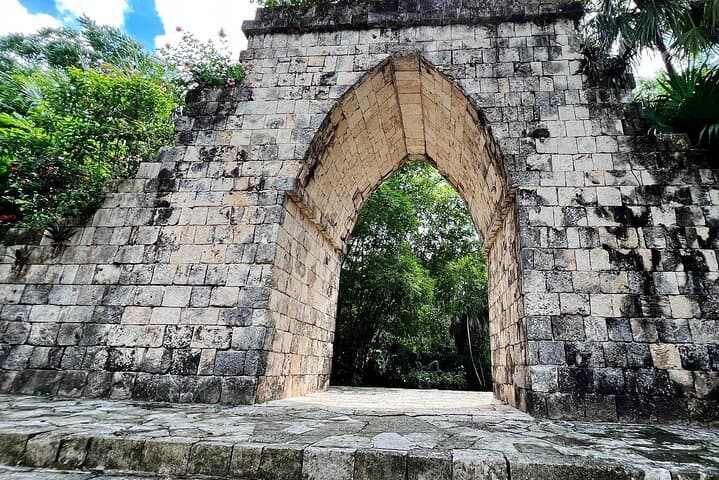
Culture and history surface in small ways: a compact Mayan archaeological site occupies the grounds, and staff share facts about traditional uses of plants in the botanical gardens. The park’s design keeps the ocean the main character—snorkel trails, an underwater sculpture installation, and shallow sand-entry beaches that allow families and less-confident swimmers to sample reef snorkeling without a boat.
Practicalities are straightforward. Most visits last between three and five hours; gear is usually included if booked through local tours, and facilities include showers, lounge chairs and shaded hammocks for post-snorkel downtime. Accessibility is better than many coastal attractions—paths accommodate strollers and wheelchairs to designated areas—though coral and rock mean water shoes are helpful for entering the shallows.
Timing matters: arrive early, especially when cruise ships are in port, to find quieter reef patches and clearer water. Use reef-safe sunscreen and leave the coral untouched—contact and even kicking can damage fragile colonies. For families, the shallow snorkel areas and playgrounds make Chankanaab a dependable choice; for solo travelers, the snorkeling trail and underwater sculptures offer steady visual rewards without technical demands.
Expect to split your day between snorkeling the protected reef, wandering the botanical gardens, and lounging by the small sandy beach. Bring a well-fitting mask, reef-safe sun protection, and a light cover-up to step into shade quickly. If you’re planning photography, pack an underwater housing for close reef shots; morning light and calm seas provide the clearest visibility.
Chankanaab is less about deep technical diving and more about accessible marine immersion—an introduction to Cozumel’s protected waters that pairs natural history, family-friendly infrastructure, and a reef system that keeps close company with the shoreline.
moderate.
3–5 hours.
A moderate level of fitness is recommended—able to swim short distances and stand on uneven shore; suitable for families with older children.
Many tours and the park include basic snorkel equipment; bringing your own mask often improves comfort and fit.
Yes—shallow, protected snorkeling trails are ideal for beginners and children with adult supervision.
The park maintains safety staff and clearly marked snorkel areas, but swimmers should remain with their group and follow staff instructions.
Shuttles, taxis and rental scooters run from San Miguel; if booked through a tour, one-way transport from a central meeting point is often included.
Yes—showers, shade, lounge chairs and restroom facilities are available; secure storage options may vary by booking method.
Designated paths and areas are stroller and wheelchair accessible, though ocean entry points remain rocky and may require assistance.
Chankanaab’s name is believed to derive from Mayan words meaning 'small sea'; the park combines marine protection with a curated botanical and cultural display.
The park is part of the Cozumel National Marine Park—visitors should use reef-safe sunscreen, avoid touching coral, and follow marked snorkel trails to minimize impact.
Cozumel Fun Excursions S.A de C.V operates guided outdoor trips and adventures with an emphasis on safety, stewardship, and memorable experiences.
You step off the shuttle onto soft, white sand and the sea calls immediately—not with thunder but with a close, readable invitation. At Chankanaab Park the reef begins only meters from shore; the water is shallow enough that first-time snorkelers can peer down and watch parrotfish graze on coral while the current politely nudges you along.
You step off the shuttle onto soft, white sand and the sea calls immediately—not with thunder but with a close, readable invitation. At Chankanaab Park the reef begins only meters from shore; the water is shallow enough that first-time snorkelers can peer down and watch parrotfish graze on coral while the current politely nudges you along.
The park sits on Cozumel’s west coast where a protected strip of the Cozumel National Marine Park drapes across the shoreline. Chankanaab—reported to come from the Mayan for “small sea”—was set aside decades ago to safeguard reef and mangrove habitat while offering visitors safe access to the underwater world. The shoreline’s geology is characteristic of the Yucatán: a rim of limestone and coral reef, overlying largely flat, porous karst that channels freshwater and supports coastal vegetation in the park’s botanical zones.
Culture and history surface in small ways: a compact Mayan archaeological site occupies the grounds, and staff share facts about traditional uses of plants in the botanical gardens. The park’s design keeps the ocean the main character—snorkel trails, an underwater sculpture installation, and shallow sand-entry beaches that allow families and less-confident swimmers to sample reef snorkeling without a boat.
Practicalities are straightforward. Most visits last between three and five hours; gear is usually included if booked through local tours, and facilities include showers, lounge chairs and shaded hammocks for post-snorkel downtime. Accessibility is better than many coastal attractions—paths accommodate strollers and wheelchairs to designated areas—though coral and rock mean water shoes are helpful for entering the shallows.
Timing matters: arrive early, especially when cruise ships are in port, to find quieter reef patches and clearer water. Use reef-safe sunscreen and leave the coral untouched—contact and even kicking can damage fragile colonies. For families, the shallow snorkel areas and playgrounds make Chankanaab a dependable choice; for solo travelers, the snorkeling trail and underwater sculptures offer steady visual rewards without technical demands.
Expect to split your day between snorkeling the protected reef, wandering the botanical gardens, and lounging by the small sandy beach. Bring a well-fitting mask, reef-safe sun protection, and a light cover-up to step into shade quickly. If you’re planning photography, pack an underwater housing for close reef shots; morning light and calm seas provide the clearest visibility.
Chankanaab is less about deep technical diving and more about accessible marine immersion—an introduction to Cozumel’s protected waters that pairs natural history, family-friendly infrastructure, and a reef system that keeps close company with the shoreline.