THE ADVENTURE COLLECTIVE® · Independent discovery and booking for outdoor travel

Survey Chania from Prophet Elias, weave through the Old Market’s lively stalls, and finish at the restored Chrisopigi monastery on the Akrotiri coast. This compact half-day tour pairs panoramic views with hands-on cultural stops and practical tips for exploring the city’s layered past.
Survey Chania from Prophet Elias, weave through the Old Market’s lively stalls, and finish at the restored Chrisopigi monastery on the Akrotiri coast. This compact half-day tour pairs panoramic views with hands-on cultural stops and practical tips for exploring the city’s layered past.
From the crest of the Hill of Prophet Elias the city opens like a map: red-tiled roofs, the sweep of the Venetian harbour and the White Mountains cutting the sky. Salt-scented wind pushes you toward the cobbled alleys below, where vendors call out over the steady creak of shutters and the sea keeps time beyond the harbor walls.
Verified experiences and guided adventures in the surrounding area.
Operated by MOYSIDIS TRAVEL · Chania, Crete
From the crest of the Hill of Prophet Elias the city opens like a map: red-tiled roofs, the sweep of the Venetian harbour and the White Mountains cutting the sky. Salt-scented wind pushes you toward the cobbled alleys below, where vendors call out over the steady creak of shutters and the sea keeps time beyond the harbor walls.
Chania’s streets record successive chapters — Minoan traders gave way to Roman and Byzantine rule, then Venetians carved fortifications and Ottomans left mosques and narrow lanes. Geologically, the region sits at the edge of the Lefka Ori (White Mountains), whose limestone ribs feed seasonal springs that have long sustained the town and its market. The Chrisopigi (Chrissopigi) monastery on the Akrotiri peninsula began in the 16th century, was burned during the 1821 upheaval, and saw a modern rebirth when nuns returned to restore its icons and crafts in the 20th century.
On this half-day excursion expect a mix of short drives and walking: panoramic lookout at Prophet Elias, a 2–3 hour stroll through the Old Market’s covered alleys sampling cheeses, olives and spices, then a quieter hour at the monastery with included admission. Practical notes: wear modest clothing for the monastery, sturdy shoes for uneven, often slippery cobbles, and bring cash for small food stalls. Mid-morning or late afternoon visits avoid the hottest light and the busiest market hours. Respect the living town — keep to paths, buy from local stalls, and let the harbor gulls call you on to the next doorway.
easy.
4–5 hours.
Light fitness required: comfortable walking over short distances, able to navigate steps and cobbles.
Yes; the tour includes entrance to Chrisopigi. Modest dress is required and small donations or purchases from the nuns’ workshop are welcomed.
The tour includes short walks on uneven, cobbled streets and steps; not ideal for standard strollers or wheelchairs—check with the operator about accessible transfer options.
The tour includes bottled spring water; market tastings and meals are not included but there are many food stalls and a food court in the Old Market where you can eat on your own budget.
A professional guide accompanies the tour and pickup/drop-off is private—confirm available languages at booking since most guides speak English and often other European languages.
Chania’s urban fabric reflects Venetian fortifications, Ottoman-era buildings, and a long maritime trade history; Chrisopigi monastery dates to the 16th century and was rebuilt after destruction in 1821.
Historic neighborhoods are fragile — stick to marked paths, support small local shops, and follow monastery guidelines to minimize wear on sacred sites.
MOYSIDIS TRAVEL operates guided outdoor trips and adventures with an emphasis on safety, stewardship, and memorable experiences.
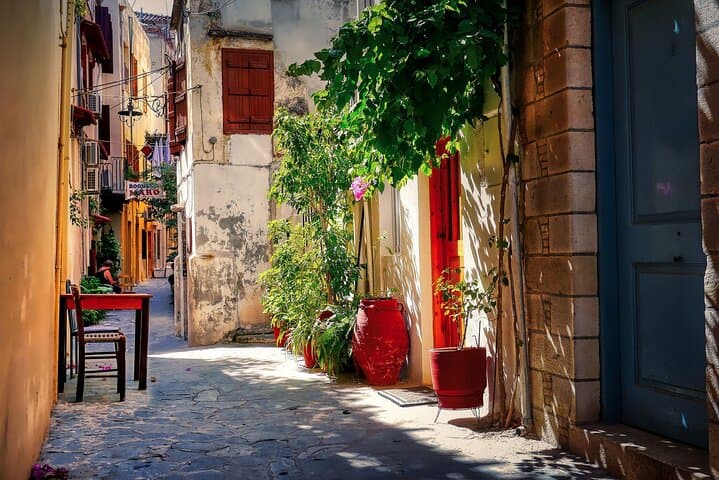
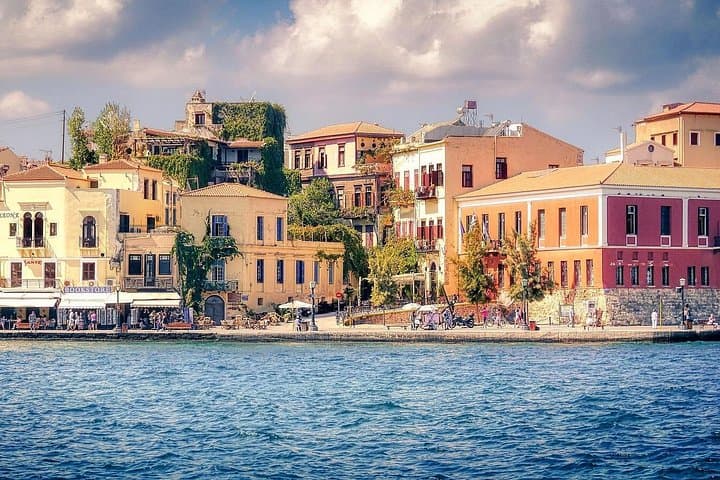
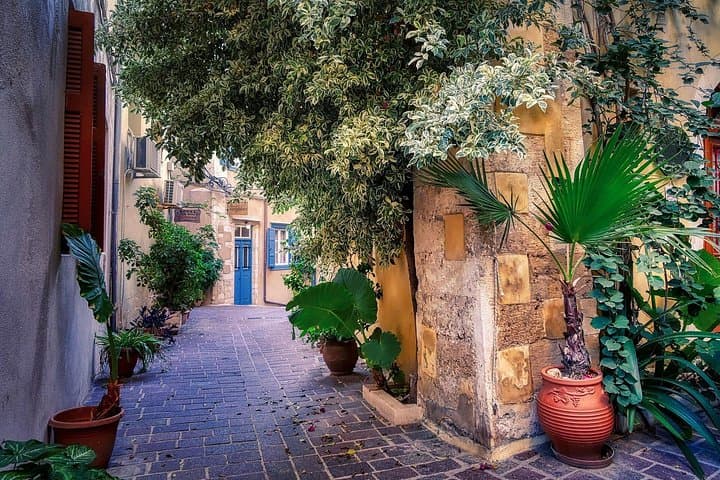
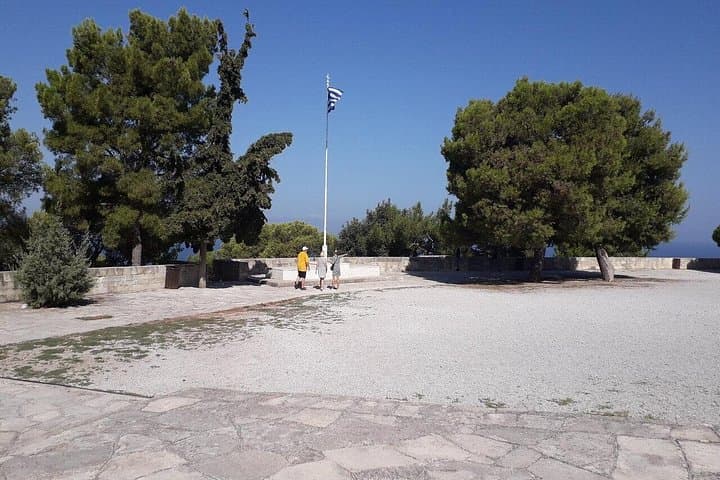
From the crest of the Hill of Prophet Elias the city opens like a map: red-tiled roofs, the sweep of the Venetian harbour and the White Mountains cutting the sky. Salt-scented wind pushes you toward the cobbled alleys below, where vendors call out over the steady creak of shutters and the sea keeps time beyond the harbor walls.
From the crest of the Hill of Prophet Elias the city opens like a map: red-tiled roofs, the sweep of the Venetian harbour and the White Mountains cutting the sky. Salt-scented wind pushes you toward the cobbled alleys below, where vendors call out over the steady creak of shutters and the sea keeps time beyond the harbor walls.
Chania’s streets record successive chapters — Minoan traders gave way to Roman and Byzantine rule, then Venetians carved fortifications and Ottomans left mosques and narrow lanes. Geologically, the region sits at the edge of the Lefka Ori (White Mountains), whose limestone ribs feed seasonal springs that have long sustained the town and its market. The Chrisopigi (Chrissopigi) monastery on the Akrotiri peninsula began in the 16th century, was burned during the 1821 upheaval, and saw a modern rebirth when nuns returned to restore its icons and crafts in the 20th century.
On this half-day excursion expect a mix of short drives and walking: panoramic lookout at Prophet Elias, a 2–3 hour stroll through the Old Market’s covered alleys sampling cheeses, olives and spices, then a quieter hour at the monastery with included admission. Practical notes: wear modest clothing for the monastery, sturdy shoes for uneven, often slippery cobbles, and bring cash for small food stalls. Mid-morning or late afternoon visits avoid the hottest light and the busiest market hours. Respect the living town — keep to paths, buy from local stalls, and let the harbor gulls call you on to the next doorway.