THE ADVENTURE COLLECTIVE® · Independent discovery and booking for outdoor travel

Walk from the ancient ruins of Aptera to Chania’s Venetian-aged lanes and the Archaeological Museum on a private, full-day tour. History, geology and local culture are threaded into a six-hour itinerary led by a licensed guide.
Walk from the ancient ruins of Aptera to Chania’s Venetian-aged lanes and the Archaeological Museum on a private, full-day tour. History, geology and local culture are threaded into a six-hour itinerary led by a licensed guide.
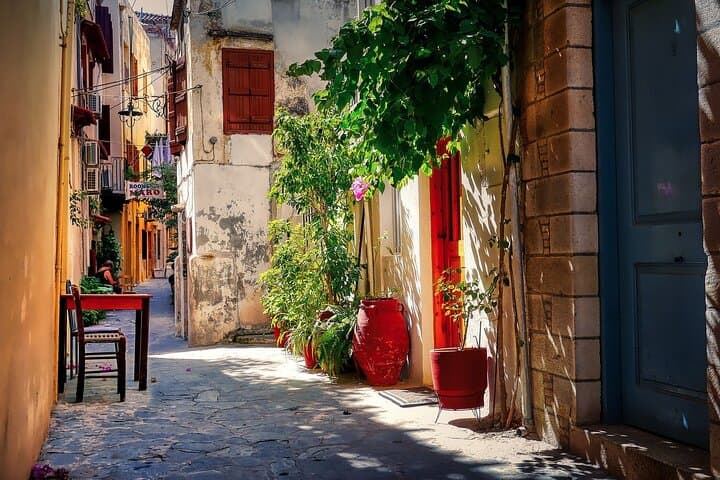
A salt-bright breeze from the Gulf of Chania guides you through cobbled lanes as your private guide leads the way—first away from the harbor’s glitter and then inland toward ruins that have watched the island’s story unfold.
Verified experiences and guided adventures in the surrounding area.
Operated by GS TOURS CHANIA LTD · Chania, Crete
A salt-bright breeze from the Gulf of Chania guides you through cobbled lanes as your private guide leads the way—first away from the harbor’s glitter and then inland toward ruins that have watched the island’s story unfold.
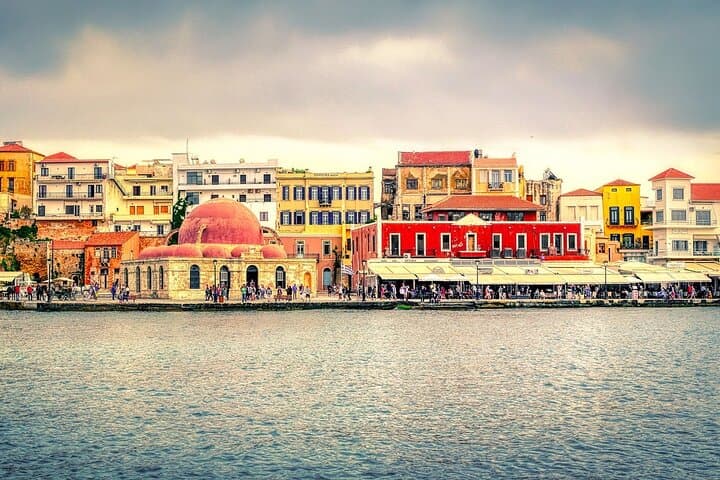
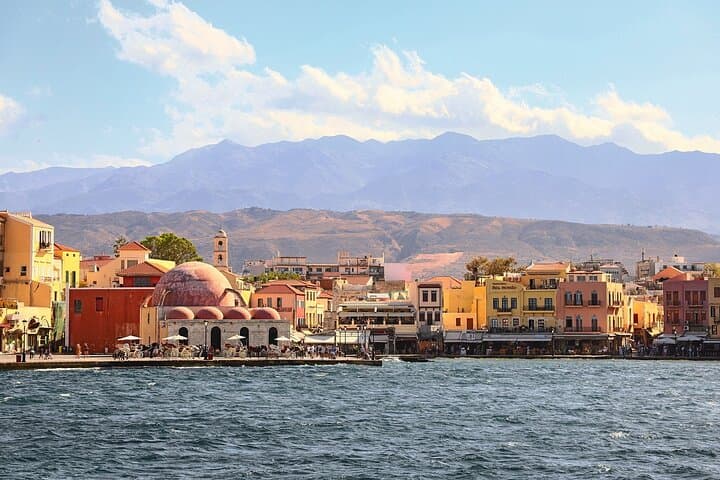
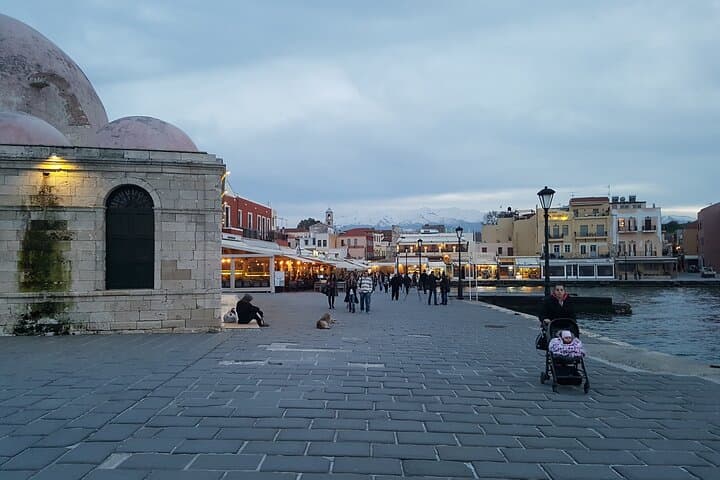
You begin at Aptera, where limestone terraces and scattered column drums mark a Hellenistic and Roman past; the site’s exposed geology reveals fractured marine limestone and Pleistocene terraces that slope toward the sea. Back in Chania, the Old Town switches tempos: Venetian harbor mansions, Ottoman mosques repurposed as museums, and narrow streets that funnel light into intimate squares. The Archaeological Museum collects Minoan pots, Roman statuary and Byzantine icons—objects that stitch ancient Crete to modern Chania.
Culturally, the walk traces trading routes and conquerors—Minoan, Venetian, Ottoman—while local traditions show in kafeneia conversation and family-run bakeries selling koulouri. Expect gulls to argue with fishermen and lizards to sun themselves on warm marble; the sea seems to dare you to keep moving.
Practical guidance: wear broken-in walking shoes for uneven stone and short staircases; bring sun protection and a refillable bottle (bottled water is provided but reusable is better for the islands). The private tour spans roughly six hours including transport and museum time; pacing is relaxed but involves standing and short uphill stretches. Schedule morning starts to avoid peak heat and allow time for photography in golden light. Your guide handles tickets and logistics—come curious, prepared, and ready to trade the map for stories.
easy.
6 hours.
Suitable for travelers who can walk on uneven surfaces and stand for museum visits; no special fitness required.
The private tour lasts about six hours and includes private transportation, a licensed guide, bottled water and entrance to the Archaeological Museum.
Yes; the tour is rated easy. It involves walking on uneven stone and some short uphill stretches, so mobility varies by participant.
Admission to the Archaeological Museum of Chania is included as noted in the itinerary.
As a private tour, the guide can adjust focus—archaeology, Ottoman/Venetian architecture or local culinary stops—if arranged beforehand.
Chania’s urban fabric reflects Venetian harbor construction and later Ottoman modifications; Aptera was a significant coastal center from the Archaic through Roman periods.
Respect protected ruins by staying on marked paths and avoid climbing on ancient masonry; minimizing plastic and supporting local businesses helps keep sites sustainable.
GS TOURS CHANIA LTD operates guided outdoor trips and adventures with an emphasis on safety, stewardship, and memorable experiences.
A salt-bright breeze from the Gulf of Chania guides you through cobbled lanes as your private guide leads the way—first away from the harbor’s glitter and then inland toward ruins that have watched the island’s story unfold.
A salt-bright breeze from the Gulf of Chania guides you through cobbled lanes as your private guide leads the way—first away from the harbor’s glitter and then inland toward ruins that have watched the island’s story unfold.
You begin at Aptera, where limestone terraces and scattered column drums mark a Hellenistic and Roman past; the site’s exposed geology reveals fractured marine limestone and Pleistocene terraces that slope toward the sea. Back in Chania, the Old Town switches tempos: Venetian harbor mansions, Ottoman mosques repurposed as museums, and narrow streets that funnel light into intimate squares. The Archaeological Museum collects Minoan pots, Roman statuary and Byzantine icons—objects that stitch ancient Crete to modern Chania.
Culturally, the walk traces trading routes and conquerors—Minoan, Venetian, Ottoman—while local traditions show in kafeneia conversation and family-run bakeries selling koulouri. Expect gulls to argue with fishermen and lizards to sun themselves on warm marble; the sea seems to dare you to keep moving.
Practical guidance: wear broken-in walking shoes for uneven stone and short staircases; bring sun protection and a refillable bottle (bottled water is provided but reusable is better for the islands). The private tour spans roughly six hours including transport and museum time; pacing is relaxed but involves standing and short uphill stretches. Schedule morning starts to avoid peak heat and allow time for photography in golden light. Your guide handles tickets and logistics—come curious, prepared, and ready to trade the map for stories.